You care about helping young children try new things, feel proud, and do small tasks on their own. This guide gives practical, simple steps that North Dakota child care providers and directors can use today. Read the ideas, pick one change to try, 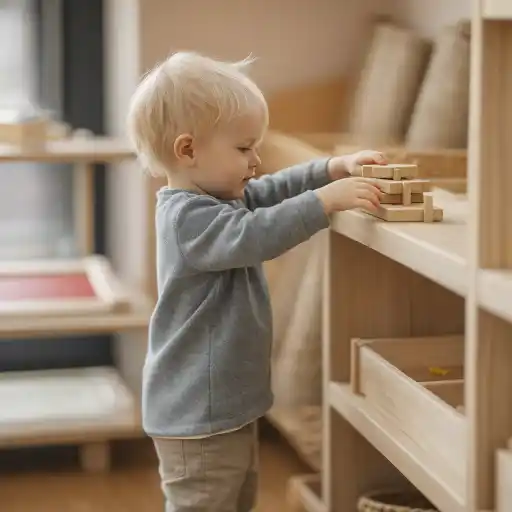 and share wins with your team. Remember: state requirements vary - check your state licensing agency.
Why does encouraging independence matter for my program?
1) Independence helps children learn faster. When children feel able to try, they take safe risks and solve small problems on their own. This builds #confidence and leads to real growth. See ideas on building confidence and independence in this ChildCareEd guide: How can we build confidence and independence in young learners?.
2) Independence makes routines smoother. Children who can do parts of routines free teachers to teach more. Use evidence-based routine tips from CSEFEL What Works Brief and ChildCareEd training that explains how routines help self-management: Supporting Children's Independence  Buy Now $24.00.
3) Independence supports families and program quality. When children can dress, use the bathroom, or help at snack, families see progress and trust your program. North Dakota training rules make understanding development important — learn more in ChildCareEd’s North Dakota post: Child Growth and Development Training North Dakota.
Why this matters (short):
- Children gain pride and social skills.
- Teachers get more time for teaching.
- Programs show measurable results to families and licensing reviewers.
How can the room and routines make independence easier?
1) Arrange the room for small hands and clear steps. Use low hooks, labeled bins, and child-sized tools so children can reach and choose without waiting for help. Montessori ideas help here — read The Montessori Prepared Environment for practical setup tips.
2) Use predictable routines with visuals.
- 📌 Post a daily picture schedule at child height. (CSEFEL shows how schedules teach routines: What Works Brief #3.)
- 🟢 Break tasks into 2–4 simple steps with photos so children can follow and check their work.
- 🔁 Repeat the same steps every day so routines become habits.
3) Create child-friendly stations for real tasks.
- 😄 Snack station: child pitchers, small bowls, and a step-stool so children pour and serve (The Snack Station).
- 🧺 Potty basket: a simple basket with pull-ups, wipes, and a small towel helps toddlers with toileting choices (Potty Basket for Independence Buy Now $0.00). For practical, age-appropriate potty-training strategies providers can share with families, see potty-training strategies for parents and providers.
- 🧹 Practical life corner: small brooms, cloths, and trays let children practice sweeping and cleaning.
4) Offer limited choices to build decision skills: always two choices, not many. Choices help children feel in charge without overwhelming them.
What teacher strategies and activities build real independence?
1) Use small steps and scaffold: show one step, then let the child try. Repeat and fade help over time. Teachers can learn step-by-step methods in ChildCareEd courses like Supporting Children's Independence Buy Now $24.00.
2) Teach self-management with visuals and charts. CSEFEL and ChildCareEd provide easy checklists children can mark: 1) pick the routine, 2) show each step in pictures, 3) let the child check off progress. For example, see the CSEFEL Self-Management brief.
3) Use short games and play to build skills:
- 🎯 Play simple executive-fun games like "Red Light, Green Light" to practice stopping and listening (see ChildCareEd resources on executive function).
- 🏗️ Provide unstructured play time so children plan, solve problems, and cooperate. Unstructured play boosts creativity and problem-solving: Why Unstructured Play Is Important.
4) Teach real self-care skills with OT ideas. Small adaptations and tools (Velcro shoes, sock aids, child cups) help children do tasks safely: Self-Care Skills for Children.
5) Praise effort and celebrate steps. Use specific comments: "You zipped halfway—great work!" That builds #confidence and a growth mindset.
What common mistakes do providers make, and how do we track progress?
Common mistakes (and fixes):
- ⚠️ Doing tasks for children when they can try – Fix: give one small prompt and wait 5–10 seconds for the child to act.
- ⚠️ Setting expectations too high – Fix: match the task to the child’s stage and celebrate tiny wins.
- ⚠️ Praising ability instead of effort – Fix: say what the child did, not only "You're smart." (Example: "You practiced your buttons three times!").
How to measure progress (simple steps):
- 📋 Pick one skill per week (e.g., handwashing, putting on shoes).
- 🖼️ Use a visual checklist each day and let the child mark it.
- 📅 Review weekly: count how many days the child completed the steps and celebrate growth with a family note.
- 📞 If progress stalls after 4–6 weeks, share observations with families and consider referral or support (North Dakota resources and trainings can guide you: ND training post).
State note: state requirements vary - check your state licensing agency before changing policies or routines.
FAQ — quick answers for busy providers
- Q: How fast should a child learn a task? A: Children learn at their own pace — celebrate small steps.
- 🙂 Q: What if a child refuses to try? A: Use Connect → Calm → Coach: get down, offer a breath or quiet tool, then one small choice. See ChildCareEd tips on refusal and engagement.
- Q: Can independence support be part of licensing evidence? A: Yes — keep photos of child-sized spaces, dated lesson notes, and one observation per child. ChildCareEd explains documentation strategies in their North Dakota quality article: How Can North Dakota Providers Show Quality.
- Q: Where to get quick free ideas? A: ChildCareEd free resources include activity sheets, snack station ideas, and Montessori practical life prints: Resources - All.
Final quick checklist (do one this week):
- 🔧 Add one child-sized tool to a station (small pitcher, broom, or potty basket).
- 🖼️ Post a simple 3-step picture chart for one routine.
- 💬 Change one phrase to specific praise (“You tried buttoning—nice work!”).
You're doing important work. Small, consistent steps help children become more #independence-ready and give your #teachers time to teach. Share wins with families and your team, and use the ChildCareEd links above for deeper training and printable resources.
- 45 Hour Child Growth and Development
- Working Together: Teachers & Preschoolers
- CDA Bridge Bundle: Family Child Care without Portfolio Review
- CDA Bridge Bundle: Infant/Toddler without Portfolio Review
- CDA Bridge Bundle: Preschool without Portfolio Review
- 45-Hour Infant and Toddler Curriculum
- Texas Director Credential
- Technology as a Classroom Tool
- CDA Certification en Español: Recursos y Consejos para Educadores Bilingües
- 🚌❄️ Field Trip Ideas in North Dakota for Childcare Providers
- Lista para Abrir una Guardería en Casa en Dakota del Norte: Cómo Empezar
- Cómo Ser Maestra de Preescolar en Dakota del Norte
- Capacitación Previa al Servicio para Proveedores de Cuidado Infantil en Dakota del Norte
- Las Mejores Ideas de Excursiones para Guarderías en Dakota del Norte
- How can North Dakota programs climb the Bright & Early ND steps before the July 2026 update?
- How can North Dakota childcare workers use positive discipline every day?
- How Do Art Activities Support Cognitive Growth in North Dakota Preschoolers?
- How can North Dakota classrooms build toddler fine motor skills with simple activities?
- What Should You Do When a Child Refuses to Participate in North Dakota Childcare?
- How can North Dakota childcare programs best support Dual Language Learners?
- How can music and movement strengthen early childhood programs in North Dakota?
- What Does the Free School Meals Debate Mean for Child Nutrition in North Dakota?
- How can childcare programs protect young children in North Dakota from West Nile, ticks, and extreme heat?
- Canciones, juegos y preguntas de círculo para niños
- How can North Dakota providers stretch food costs with CACFP?
- How can North Dakota child care programs lay reading foundations the right way?
- How Can North Dakota Providers Encourage Independence in Young Children?
