Images of children running through the grass or playing on the playground often come to mind when teachers hear the phrase "learning outdoors." An outdoor classroom is more specific: it is a designed zone within the outdoor area where children are invited to explore, investigate, and problem-solve using the materials and living systems around them. In this article we explain why outdoor classrooms matter, how to design them safely and developmentally, and how to document learning that happens in nature. To begin, consider two practical ChildCareEd trainings linked here that many teachers use to plan and implement outdoor learning: CDA: Creating the Outdoor Classroom  Buy Now $16.00 and Creating the Natural Outdoor Classroom Buy Now $16.00. These courses introduce design principles, materials, and daily routines for a natural classroom.
What exactly is an outdoor classroom and what learning does it support?
An outdoor classroom is an intentional extension of the indoor learning environment. It intentionally integrates natural materials (soil, wood, plants, water), loose parts, sensory stations, and developmentally appropriate tools to support inquiry. Outdoor settings support a range of developmental domains simultaneously: gross and fine motor development, scientific inquiry, language and vocabulary expansion, social problem-solving, and self-regulation. Research summarized by experts shows positive effects on physical health, attention and concentration, creativity, and social-emotional well-being. For a practical design model and the evidence linking unstructured nature play with developmental gains, see the Nature Explore Classroom model (The Green Center), which informed many contemporary outdoor classroom designs.
Why should early childhood programs prioritize outdoor learning?
Programs that prioritize outdoor learning report multiple benefits: increased physical activity and motor skill practice; more sustained engagement with open-ended materials; improved peer negotiation and collaborative play; and new opportunities for emergent-science investigations that are difficult to replicate indoors. Outdoor classrooms also support inclusive practice: sensory-rich, multi-level settings allow children with diverse needs to find accessible entry points into play and investigation. For background on the larger rationale and supporting literature, ChildCareEd's overview The Natural Classroom provides a concise evidence summary and program examples.
How can I design a safe, developmentally appropriate outdoor classroom?
Design is purposeful: prioritize safety, accessibility, and investigative affordances. Below is a concise action plan you can adapt to your setting.
- Conduct a safety and site audit. Check boundaries, sightlines, surface materials, possible traffic, and water hazards. Adopt an active-supervision plan aligned with your state's guidance and your program's licensing rules.
- Create distinct learning zones. Typical zones include a sensory table (natural loose parts), a planting/garden area, a building zone with loose wood or blocks, a water-play area, and a quiet observation spot for birds and insects.
- Choose loose parts and natural materials that invite exploration: stones, bark, seed pods, magnifiers, clipboards, and simple measuring tools.
- Plan for storage and maintenance: weatherproof containers for materials; gardening tools with safe, child-size options; and an annual schedule for plant care and seasonal rotation.
- Collaborate with families and community partners to supply materials and expertise (e.g., local nurseries, extension services, or nature centers).
For classroom layout and environmental guidance that maps to CDA subject areas and inclusive practice, consider the ChildCareEd course Creating Environments that Nurture Growth and Community Buy Now $55.00, which connects environmental design to curriculum and family engagement.
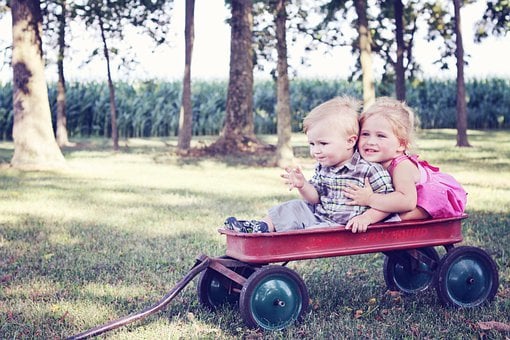 A mid-site photograph or sketch of your outdoor classroom helps staff and families visualize the space. Use images for planning, not to replace direct observation and documentation.
What activities and routines yield strong learning outcomes in an outdoor classroom?
Choose activities that prioritize process over product and that scaffold observational skills and problem-solving. Examples with learning goals:
- Loose-parts building challenges (engineering, spatial language, collaboration).
- Nature journaling with clipboards (vocabulary, fine motor, observation).
- Bug hunts with magnifiers and sorting trays (classification, hypothesis testing, patience).
- Garden-to-table routines—planting, measuring growth, tasting—(science vocabulary, nutrition awareness, responsibility).
- Seasonal projects that link outdoor phenomena to classroom themes and literacy.
Embed short intentional provocations during free play: a question pinned to a tree, a measuring tape left with a bucket of sticks, or a 'listening moment' where children note sounds they hear. These small prompts turn curiosity into disciplined inquiry and help you collect observational data for assessment.
How do I assess and document learning that occurs outdoors?
Documentation relies on observation, work samples, photos, and child reflections. Use consistent prompts: "What did you notice?" "What did you try next?" Link outdoor observations to developmental indicators you already track. Short video clips, annotated photographs, and children's sketches are powerful evidence for portfolios and family conferences. Use checklists aligned to your program goals—motor skills, language milestones, problem-solving steps—and record examples preserved by date and context.
How can programs sustain an outdoor classroom over time?
Sustaining the space requires regular maintenance, seasonal planning, and staff support. Strategies that help sustain momentum include: rotating materials by season, building a shared supply checklist, scheduling garden days with families, and embedding outdoor planning into weekly curriculum meetings. Invest in staff development: rotate staff through short, focused in-service sessions on outdoor facilitation, supervision, and documentation.
How do I find more resources and related articles on ChildCareEd?
For practical guides and related perspectives on environmental design and motor development, see these ChildCareEd articles: Focus on Nature and Real-World Experiences in Montessori Education; How Motor Skills Shape Child Development; Using Wildlife and Outdoor Discovery; Bringing Nature to Urban Programs; Seasonal Activities with Educational Goals; and Integrating Forest Preschool Activities. These articles address design, motor development, seasonal planning, and adapting outdoor learning across contexts.
How can I get started this week?
Start small: identify a 3-by-3 meter zone outdoors, add a bin of loose parts and a clipboard, and schedule two 20–30 minute outdoor blocks per day. Use one simple documentation routine (a photograph and a short observation sentence) and review it weekly with staff. Share the first photo and observation with families to build support.
Conclusion: What are the next steps for your program?
Outdoor classrooms extend inquiry, motor practice, and social learning into a versatile, natural setting. Use the short action plan above, train staff with targeted courses, and document outcomes to show impact to families and regulators. Confirm any licensing or safety compliance questions with your state agency and adjust supervision and materials accordingly.
References: The Nature Explore / Certified Nature Explore Classroom model provides a practical, research-informed design framework (The Green Center). For an evidence summary and program examples, see ChildCareEd's article The Natural Classroom.
Related training: CDA: Creating the Outdoor Classroom Buy Now $16.00, Creating the Natural Outdoor Classroom Buy Now $16.00, and Creating Environments that Nurture Growth and Community Buy Now $55.00.
These practices support #nature #play #outdoor #development #safety.
- Creating the Natural Outdoor Classroom
- 1,2,3, Eyes on Me: Classroom Safety
- Birth to Five CDA Credential with Portfolio Review
- CDA: Creating the Outdoor Classroom
- The Best Promotion is Play
- Emergent Learning & Development
- Creating Environments that Nurture Growth and Community
- Texas Director Credential
- Every Moment Matters: Schedules and Transitions
- Mindful Supervision: Balancing Safety & Independence in Montessori
- Bye Bye Winter: The Role of Outdoor Play in Early Childhood Development
- ❄️ ¿Qué actividades al aire libre funcionan bien para los niños de Illinois en cada estación? 🌷🍂
- ¿Cuáles son las mejores actividades del Día de la Tierra para niños en casa o en el aula?
- Retraso del Habla en la Guardería: Cómo Pueden Ayudar los Proveedores
- How can New York early childhood programs use garden-based learning?
- How can childcare programs celebrate the harvest season in ways that are inclusive, safe, and sensory-rich?
- How can small playgrounds be transformed into engaging learning environments using natural materials?
- How Can Child Care Programs Build Effective Outdoor Classrooms and Nature-Based Childcare?
- How can gardening activities transform early childhood classrooms?
- How Can Child Care Providers Use Natural and Logical Consequences with Young Children?
- How Can Child Care Programs Make Nature-Based Learning Meaningful, Inclusive, and Safe?
- How Can Child Care Providers Design Learning Centers That Support Play and Development?
- How Can Educators Gradually Reduce Adult Prompts During a Toddler Classroom Job?
