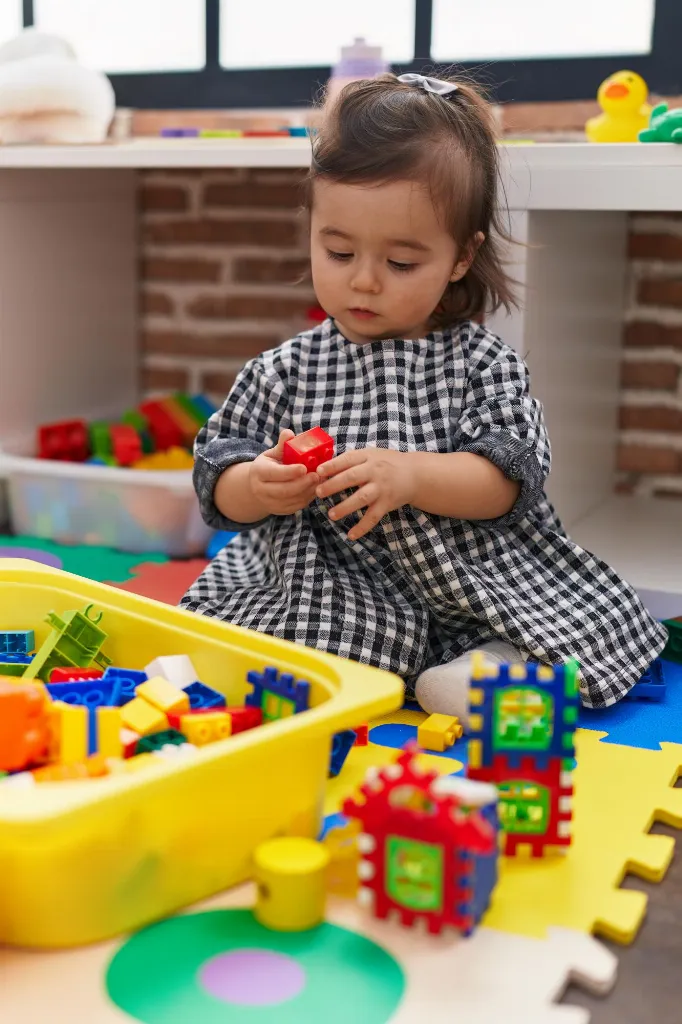
 Starting a home daycare is exciting and a lot of work. This guide gives clear steps for child care providers and directors who want to open a safe, legal program in #Nevada.
You will learn what to do first, how to set up your space, what training and paperwork you need, and how to enroll families. Remember: state requirements vary - check your state licensing agency.
1) What legal steps do I need to open my home daycare in Nevada?
📘 Learn license types: Decide if you want a Family Child Care Home (smaller) or Group Child Care Home (larger). See the types in Navigating Child Care Licensing in Nevada and check NAC/NRS references like NAC Chapter 432A and NRS Chapter 432A.
📄 Fill out application: Take Nevada’s orientation or LAP training first, then submit the license application with a floor plan and written policies. ChildCareEd’s step-by-step page shows the forms to prepare: How to Start a Daycare in Nevada.
🔍 Background checks & fingerprints: Everyone who is counted in ratios must clear state background checks. Use the Nevada fingerprint consent forms and follow the Division of Child and Family Services guidance (see fingerprint consent form example: Consent and Release Form).
🧯 Inspections: Schedule health, fire, and safety inspections. Have your evacuation map, smoke alarms, and safe sleep plans ready for inspectors. ChildCareEd has safety checklists you can use: How do I start a home daycare step-by-step?.
💼 Business basics: Get liability insurance, set up simple bookkeeping, and check local zoning. Find tips on renting and landlord permissions in Nevada at Renting a Home in Nevada.
Follow each legal step carefully and keep copies of all documents in a folder. Your licensing specialist will review them during the application process.
2) How should I prepare my home and meet safety and inspection rules?
🔎 Do a child-height walk-through: Get down to children’s level and look for reachable hazards, loose cords, or tip-over risks. ChildCareEd suggests childproofing checklists in the home daycare guide: How do I start a home daycare step-by-step?.
🔥 Meet fire rules: Install and test smoke alarms, label exits, and place fire extinguishers where required. Nevada fire rules are part of licensing inspections; check NAC 432A guidance.
🛏️ Safe sleep & equipment: For infants use firm cribs with no loose blankets or toys. Keep crib policies written and visible. ChildCareEd’s crib safety resources are helpful.
🌳 Outdoor play area: Fence the yard, check surfacing under play equipment, and do daily equipment checks. Use playground safety guidance from ChildCareEd resources.
🧰 Emergency kit & drills: Keep a first-aid kit, family contact info, and emergency supplies in a go-bag. Practice fire and weather drills with children and staff and post evacuation maps where families can see them.
Before your inspection, do a mock visit and use a classroom maintenance checklist from ChildCareEd like the Monthly Classroom Maintenance Checklist Buy Now $0.00. Keep cleaning logs, medication logs, and toy-sanitizing records handy for the inspector.
3) What training, paperwork, ratios, and staff rules must I follow?
Nevada requires specific training and paperwork for your license. Staying organized helps you pass inspections and give safe care. Use the Nevada Registry and ChildCareEd training options to track hours and certificates.
📚 Required training: New providers must complete preservice or LAP training and get CPR/First Aid. Ongoing annual training hours are required. For a list of Nevada-approved courses see What Training Do I Need for Childcare in Nevada? and Nevada course lists at ChildCareEd Nevada Courses.
🧾 Paperwork to keep for every child: Enrollment form, emergency contacts, immunization/health records, allergy plans, medication permissions, and signed parent handbook acknowledgement. ChildCareEd provides forms and a required forms checklist at How do I start a home daycare step-by-step?.
👥 Background and staff files: Keep fingerprint clearances, IDs, training certificates, and CPR cards in a personnel file. Nevada law requires all household members and staff counted in ratios to clear background checks under NRS 432A.
🔢 Ratios & group sizes: Follow Nevada ratio rules exactly. For center and home quick guides see Nevada Child Care Ratios & Group Sizes. When ages are mixed, use the ratio for the youngest child in the group.
💾 Record-keeping: Keep attendance logs, incident reports, medication logs, and a training calendar. A simple three-place storage system (child folder, classroom binder, program file) works well and helps during inspections.
Joining the Nevada Registry will help you track required training and provide evidence at inspections. If you hire assistants, count them in staffing plans and make sure they meet the same clearance and training rules.
4) How do I enroll families, run daily routines, avoid common mistakes, and grow my program?
Strong family relationships and clear routines keep children safe and help your program succeed. Use step-by-step systems so day-to-day work runs smoothly. For guidance on framing your program as a resource for working families and communicating the benefits to parents, see the article Daycare: A Vital Support System for Families.
- 📣 Enrollment & communication: Create a short parent handbook that includes hours, fees, sick policies, pickup rules, and emergency steps. Share it at meet-and-greets and require signed acknowledgements. ChildCareEd has sample handbooks and enrollment forms to adapt: Home Daycare Step-by-Step.
- 🕒 Daily schedule: Use a predictable schedule (arrival, free play, snack, outdoor, nap, pick-up). Routines help children feel safe and reduce behavior problems. Post the daily schedule in the entry area so families know the flow.
- 👀 Active supervision & transitions: Assign a floater adult during transitions, post ratio charts, and always count children before and after moves (inside to outside). Many rule violations happen during quick transitions—plan for them.
- 💲 Setting rates & business growth: List your expenses and local market rates, then set fair tuition. Make a simple flyer or webpage and ask current families for referrals. Use ChildCareEd’s business planning resources to make a budget and policies.
- ⚠️ Common mistakes and how to avoid them:
- 🔸 Missing or expired paperwork — fix with weekly file checks.
- 🔸 Ratios slip during pickup or outdoor times — fix by assigning a dedicated transition adult.
- 🔸 Unsafe sleep practices or unlabeled medication — fix by following crib safety rules and using a medication log with parent signatures.
state requirements vary - check your state licensing agency and keep a regular calendar of trainings, license renewals, and inspections. Small systems (weekly file check, posted ratio chart, monthly safety walk) reduce stress and keep children safer.
Conclusion: What should you do this week?
- 📞 Call your regional licensing office and read NRS Chapter 432A and NAC Chapter 432A.
- 📚 Take the Nevada LAP/preservice training and get CPR/First Aid certificates. See ChildCareEd Nevada courses.
- 🏠 Do a child-height safety walk, set up safe sleep areas, and prepare a simple evacuation map.
- 🧾 Gather forms: enrollment, health records, medication logs, and staff files. Use ChildCareEd forms and checklists for help.
- 🤝 Meet families: hold a meet-and-greet, share your handbook, and set expectations.
You are doing important work for children and families. Use the Nevada-focused guides on ChildCareEd as your primary resource (for example, Navigating Child Care Licensing in Nevada) and ask your licensing specialist when you are unsure.
Good luck—one step at a time for a safe, legal, and loving #home program that supports #families and keeps #safety first while meeting #licensing rules in #Nevada.
- CDA Home Visitor Subject Area 3 Part 3 Birth to 5
- CDA Family Child Care Credential with Portfolio Review
- Texas Primary Caregiver Qualification
- Potty Training Made Simple
- CDA Family Child Care Renewal
- Texas Director Credential Renewal
- CDA Home Visitor Credential Birth to 5
- Texas Director Credential
- 24 Hour Family Child Care Pre-Service Training ONLINE
- CDA Home Visitor Subject Area 8 Part 1 Birth to 5
- ¿Cómo solicito la licencia para una guardería en California?
- Nevada Home Daycare Checklist: How to Start a Daycare at Home
- Lista para Abrir una Guardería en Casa en Dakota del Norte: Cómo Empezar
- Lista para Guardería en Casa en California: Cómo Iniciar una Guardería en el Hogar
- How to Open a Home Daycare in Nevada
- In-Home Daycare Requirements in Nevada
- Daycare Center Requirements in Nevada
- How to Get a Daycare License in Nevada
- Daycare Teacher Certification Requirements in Nevada
- How to Become a Licensed Childcare Provider in Nevada
- Daycare Jobs in Nevada: How Old Do You Have to Be?
- Starting an In-Home Daycare in Nevada: Requirements and Tips
- How do I open a day care in Nevada the right way?
- Nevada Home Daycare Licensing Standards
- How Many Kids Can You Watch Without a License in Nevada?
- How Many Kids Can You Babysit Without a License in Nevada?
- Grants for In-Home Daycare Providers in Nevada
- Nevada Daycare Center Standards: What Providers Need to Know
- Nevada Home Daycare Standards: What Providers Need to Know
- Nevada Child Care Ratios and Group Sizes by Age: Home Daycare Guide
