Running a child care program means wearing many hats. You help children learn, keep them safe, support families, and lead a team. This article gives clear, easy steps for directors and providers to improve daily operations. We use simple lists, helpful tips, and links to trusted resources so you can act today. Remember: state requirements vary - check your state licensing agency.
What is child care management and why does it matter?
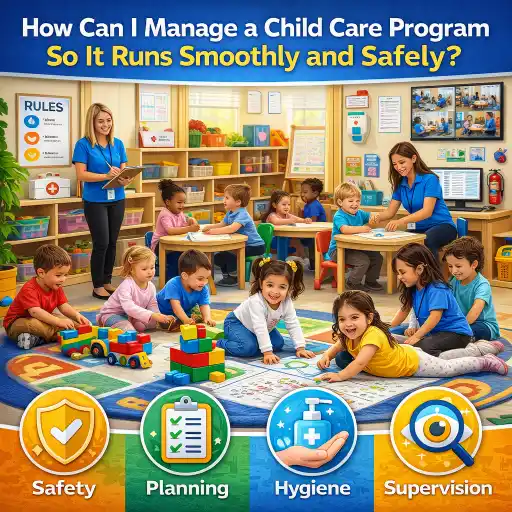
Child care management is how you organize people, time, space, money, and rules so children get consistent, high-quality care. Good #management helps children feel safe and curious, helps #staff do their best, and builds trust with #families.
Why it matters:
- 🔹 Better care: When routines and roles are clear, children learn more.
- 😊 Lower stress: Staff know what to do and can focus on children.
- 🛡️ Fewer problems: Clear policies prevent confusion and safety gaps.
Start small. ChildCareEd explains basics of running programs and staff support in practical courses like Childcare Management and best practice guides like Best Practices for Managing a Child Care Classroom or Program. Use their free resources for checklists and sample policies at Resources - Childcare Management. Good #training makes this easier — see the Health & Safety and Administration courses at Health and Safety Training Resources Buy Now $0.00.
How do I organize daily operations so the center runs smoothly?
Daily systems keep things calm. Use quick routines and simple tools so everyone knows what to do each day. Strong routines support safety, learning, and staff well-being.
- 😊 Morning priority list: Pick the top 3 tasks each day (ratios, meals, parent messages). Share it where staff can see it.
- 🔍 Short checks: 1) Arrival check for ratios, 2) 10-minute safety walk, 3) 15-minute admin time for notes and forms.
- 🗂️ Use three main folders: child files, classroom binder, program records. Keep incident notes short and factual.
- 📊 Track 3 weekly numbers: open shifts, trainings finished, incident reports. These tell you where to focus.
- 📚 Use online tools: ChildCareEd offers administration courses like Child Care Administration
 Buy Now
 $99.00$84.00 and the 45-Hour Director-Administration Buy Now $399.00$275.00 course for leaders.
Why simple systems work: small, repeatable steps become habits. They reduce last-minute crises and free staff to teach and care. If you need sample forms and an emergency action plan, check the free resources at ChildCareEd Resources.
How do I hire, support, and keep great staff?
\
Your #staff are the heart of your program. Focus on hiring the right people and giving them support to stay. Good retention protects relationships with children and families and saves time and money.
- 😊 Quick daily connection: 1–2 minute check-ins each morning asking, “What do you need today?” Build a habit of listening.
- 📝 Clear job paths: Post simple career ladders (assistant → lead → mentor) and required trainings so staff know how to grow.
- 📚 Offer short trainings: Use microlearning (1-hour modules) so staff can learn without long breaks. ChildCareEd lists helpful modules in their Health & Safety Buy Now $0.00 and management sections.
- 🤝 Mentoring: Pair new staff with a mentor. Monthly check-ins and short coaching visits work better than one-time workshops.
- 💝 Low-cost perks: Reduced tuition, small bonuses, or flexible schedules show value when budgets are tight.
Common mistakes and how to avoid them:
- ⚠️ No onboarding plan — fix it with a simple checklist for new hires.
- ⚠️ Skipping recognition — fix it with a weekly shout-out board.
Want more ideas? See Keep Them Happy, Keep Them Here for practical retention tips.
How do I keep children safe, meet licensing, and strengthen family partnerships?
Safety and strong family ties build trust. Use clear policies, regular drills, and good communication so families feel confident. State rules matter—state requirements vary - check your state licensing agency.
- 🧯 Write short, clear policies: enrollment, illness, medication, emergencies, and behavior guidance. Use ChildCareEd templates at Resources - Childcare Management.
- 🚨 Train staff: Require first aid/CPR, medication administration, and mandated reporter training. ChildCareEd offers these in Health & Safety Training Resources Buy Now $0.00.
- 🔔 Practice drills: Do fire, lockdown, and reunification drills regularly and document them. See emergency planning guidance at Emergency Preparedness in Childcare and public health tips from the CDC.
- 📣 Build family partnerships: Send learning stories, hold short chats, and invite feedback. Use social media and private groups to share highlights (see Harnessing Social Media for Childcare). For practical strategies to strengthen communication with families and reduce common behavior challenges like tantrums, see tips for building strong parent-educator partnerships and managing tantrums.
- 📁 Keep records: Maintain child files, attendance, drills, and training logs. These are often reviewed by licensors.
When families see clear plans, staff training, and regular communication, trust grows. Strong #safety systems and family connections also help with licensing and quality improvement.
Summary
Try these three steps this week:
- 🔹 Start a daily top-3 priority list for staff.
- 😊 Do a short staff check-in each morning and set a mentor pair.
- 🧯 Schedule one drill and one short training module for the month.
Remember: small, steady actions build a strong program. Use ChildCareEd courses and free resources for templates and training links throughout this article. You are doing important work—keep building one habit at a time. #training #management #staff #safety #families
FAQ
- Q: How often should we run drills? A: At least twice a year for many drills; your state may require more—state requirements vary - check your state licensing agency.
- Q: Where can I find policy templates? A: ChildCareEd free resources has sample policies and emergency plans at Resources - Childcare Management.
- Q: How do I track staff training? A: Keep a simple spreadsheet and copies of certificates; many states accept reporting through registries—see your state site and ChildCareEd course pages.
- Q: What if my budget is tiny? A: Start with routines, mentoring, and free online modules. Small perks can boost morale while planning bigger pay changes.
- 45 Hour Child Growth and Development
- Easy Steps to Resume and Interview Success
- CDA Family Child Care Credential with Portfolio Review
- CDA Bridge Bundle: Family Child Care without Portfolio Review
- CDA Bridge Bundle: Infant/Toddler without Portfolio Review
- CDA Bridge Bundle: Preschool without Portfolio Review
- CDA: Communication: Keep It Simple
- Texas Director Credential
- Capacitación en Salud y Seguridad Preventiva en Línea para Proveedores de Cuidado Infantil
- Proporciones de Cuidado Infantil y Tamaños de Grupo por Edad en Nueva Jersey (Guía Rápida para Centros y Hogares)
- Lista para Guardería en Casa en Texas: Cómo Iniciar una Guardería en el Hogar
- How can we better engage children in group activities?
- How can North Dakota childcare programs plan healthy meals and follow CACFP?
- Toddler Classroom Management: Tips for a Calm and Happy Room
- Early Years Teaching Assistant Courses: What to Know
- Florida Early Childhood Training Records: How the Registry Helps
- How can teachers make back-to-school easier for everyone?
- How can I manage a child care program so it runs smoothly and safely?
- How Can I Reduce Staff Turnover at My Michigan Childcare Center?
- How do I prepare my program for full-day, year-round 2-K: staffing, curriculum, and classroom setup? A guide for New York providers
- Cómo simplificar la capacitación para sus empleados de daycare
- How to Make Training Easier for Your Whole Team
- How can I manage childcare supplies and classroom materials efficiently and safely?
- Why Does a Calm-Down Space Still Need a Caring Adult?
- How Can Child Care Teams Manage Infant Sleep Spaces Safely During Staggered Arrivals?
- How Can Child Care Providers Reduce Transition-Time Meltdowns in the Classroom?
- What Are Effective Ways to Help Young Children Follow Classroom Boundaries?
