Introduction — How can early childhood programs mark Martin Luther King Jr. Day in ways that build empathy, civic understanding, and inclusive practice? In early childhood settings, celebrations that center MLK's legacy should do more than entertain: they should introduce children to the concepts of fairness, nonviolence, and community action using developmentally appropriate materials and pedagogy. For providers preparing activities, two relevant professional trainings on our site can help ground planning in culturally responsive practice: Diversity, Equity, and Inclusion in Education and Roots & Resilience: Understanding What Shapes a Child  Buy Now $55.00. These courses offer frameworks for anti-bias teaching and trauma-informed approaches that will make MLK activities more meaningful for diverse classrooms.
How can I introduce MLK’s life and values to preschool and kindergarten children?
Begin with a concise, concrete narrative that focuses on key, age-appropriate concepts: fairness, kindness, and nonviolent problem solving. Read aloud one or two carefully chosen picture books and use guided conversation prompts that invite children to compare feelings and actions. For example, after a short, illustrated biography or a narrative like I am Martin Luther King, Jr. (Ordinary People Change the World), ask questions such as: "How did Dr. King help people?" and "What are some fair ways we can solve problems at school?" Use role play and puppets to let children practice taking turns, expressing disagreement, and making amends — concrete practices that embody MLK's principles.
Practical classroom supports include visual schedules for the read-aloud, social stories that model inclusive play, and small-group dramatizations so that children can rehearse fair behaviors. Explicitly connect these classroom routines to the terms you want children to learn: fairness, respect, and peace. That framing helps children move from admiration for a historical figure to internalizing prosocial behavior.
What developmentally appropriate activities build empathy, respect, and civic awareness?
Design activity stations that prioritize play, sensory engagement, and reflection. Examples that work across toddler, preschool, and kindergarten levels include:
- Story-and-Response Center: Read a short MLK story and provide drawing materials for children to illustrate a scene showing kindness or fairness. Follow with a paired-share where each child describes their drawing in one sentence.
- Music and Movement: Teach call-and-response songs about unity and cooperation. Use simple movement games that require cooperative turns and shared goals.
- Peace Crafts with Purpose: Children can create "peace" or "dream" banners; pair the craft with a teacher-mediated discussion prompting children to name one thing they want for their classroom community.
- Service Micro-Projects: Age-appropriate service includes making cards for a local community helper or collecting gently used books to donate. Frame the activity as helping others in the spirit of MLK's community service.
Each activity should include scaffolds for language and social development: sentence frames, pictorial cues, and adult-facilitated turn-taking. Use observation notes to document social-emotional responses and to plan follow-up activities that deepen understanding over several days.
How can I adapt MLK activities for infants and toddlers?
Infants and toddlers learn MLK's principles through relationships, routine, and sensory experience rather than abstract discussion. Prioritize short, repeated experiences: lap-held picture books with simple lines about caring, brief call-and-response songs that model turn-taking, and tactile "peace" objects that encourage gentle touch. Invite families to contribute familiar songs or toys so infants see continuity between home and classroom. Keep a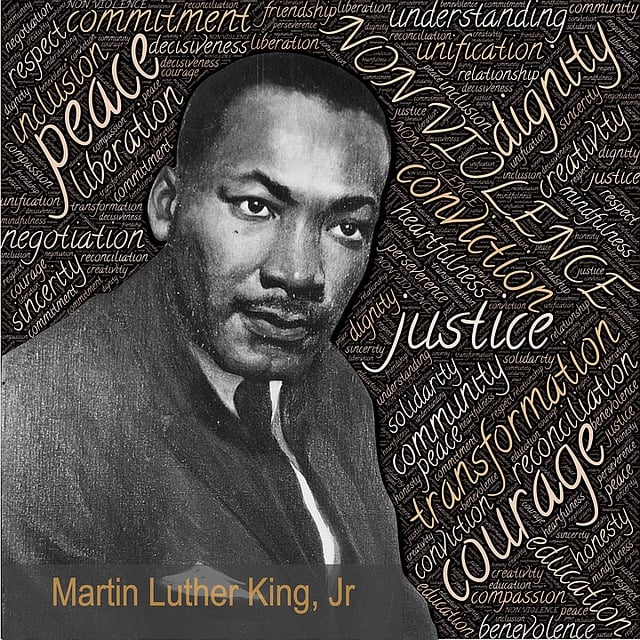 ctivities brief, repeat them across several days, and document responses in learning stories to inform next steps. These small, consistent practices build early empathy and respectful interactions.
How can books, dramatic play, and visual materials teach civil rights concepts without overwhelming young children?
Select materials that emphasize shared human experiences and feelings rather than detailed political history. Biographical picture books, songs, and simple timelines can ground the discussion. Pair factual information with play: for instance, a dramatic-play "community corner" stocked with props (mailbox, librarian card, volunteer badge) can let children enact inclusive roles. When children ask complex questions, reframe them into accessible narratives: "People worked together because they believed everyone should be treated fairly." Use culturally responsive materials and include family-supplied items so children see multiple perspectives represented in the classroom.
For providers who want a curriculum-level approach, courses such as From Play to Planning: Building Culturally Competent, Child-Centered Curriculum Buy Now $55.00 provide concrete strategies to integrate MLK themes across domains (language, social-emotional, and emergent literacy) with alignment to learning standards.
How can I organize a classroom or center service project that respects family cultures and local regulations?
Plan a micro-service project that includes families in co-design. Begin with a needs assessment: ask families what community supports they value. Choose projects with low logistical burden but high relational value — for example, a card-making drive for a neighborhood eldercare center or a classroom book swap that culminates with donated books to a school library. Prepare a clear permission form and follow local health and licensing rules for any items collected or distributed. Document the project in a way that centers children's voices: display photos (with permissions), children's drawings, and transcribed quotes about why they participated.
When engaging children in service, emphasize reciprocity (helping others is part of community life), not hero narratives, and provide reflection prompts so children can articulate how their actions affected others. If your program serves infants and toddlers, adapt service acts to sensory experiences (care packages assembled by staff with infant-friendly labels) while communicating the intent to families.
What resources and internal articles can help me plan MLK activities that are developmentally appropriate and culturally responsive?
Use existing childcareed.com content that addresses MLK-day implementation, anti-bias pedagogy, and community-building. Relevant in-site articles include: Creative Martin Luther King Jr. Day Activities for Preschool, Pre-K, and Kindergarten, Kindness is King: Teaching MLK’s Principles Through Acts of Kindness, and Dream Big, Little One: Exploring MLK’s Legacy Through Stories and Play. For aligning seasonal programming with broader history curricula, see 10 Fun and Engaging Ways to Teach Kids About Black History Month, and for extending activities to aftercare contexts, see After-School Activities for School-Age Children. Providers planning craft-based lessons may find What Hands-On Activities Work Best for School-Age Child Care? helpful for differentiation ideas.
Summary — How should I bring MLK Day planning into my ongoing curriculum?
MLK activities are most effective when they are integrated into a program's continuous learning goals: choose stories and experiences that model empathy and fairness, scaffold conversations with age-appropriate language, and design small service projects that invite family partnership. Anchor activities in culturally responsive practice and reflection so that children connect values to daily classroom routines. For professional grounding, consider the recommended courses above to ensure that your pedagogy is inclusive and trauma-informed.
Keywords: #MLK #inclusion #empathy #diversity #service
- Labor Day Activities
- Counting Candy Canes: The STEM of Holiday Fun for Early Learners
- How motor skills shape child development and creative ways educators can foster them.
- Kindness is King: Teaching MLK’s Principles Through Acts of Kindness
- Dream Big, Little One: Exploring MLK’s Legacy Through Stories and Play
- ⏰ Cómo puedo facilitar las transiciones y las rutinas diarias en mi aula?
- Pascua En El Aula: Actividades Sencillas Para Aprender y Celebrar Con Seguridad
- ¿Cómo hacer actividades navideñas inclusivas para todas las familias?
- Creative Martin Luther King Jr. Day Activities for Preschool, Pre-K, and Kindergarten
- ¿Cuáles son las mejores actividades del Día de la Tierra para niños en casa o en el aula?
- ¿Cómo puedo usar escenarios de juego de roles de primeros auxilios en mi aula?
- ¿Cómo puedo enseñar habilidades de primeros auxilios con escenarios de juego de roles?
- Actividades de Motricidad Gruesa que Desarrollan el Equilibrio, la Coordinación y la Fuerza
- Actividades de Fiesta para Niños de Preescolar y Primaria
- Cómo Celebrar el Día Nacional del Kindergarten
- Las Mejores Ideas de Excursiones para Guarderías en Georgia
- Calabazas, hojas y manzanas: actividades de otoño para preescolares
- Why Do Kids Like Coloring? Crayons, Creativity, and Learning
- Get to Know You Activities for Preschool: 12 Easy First-Week Ideas
