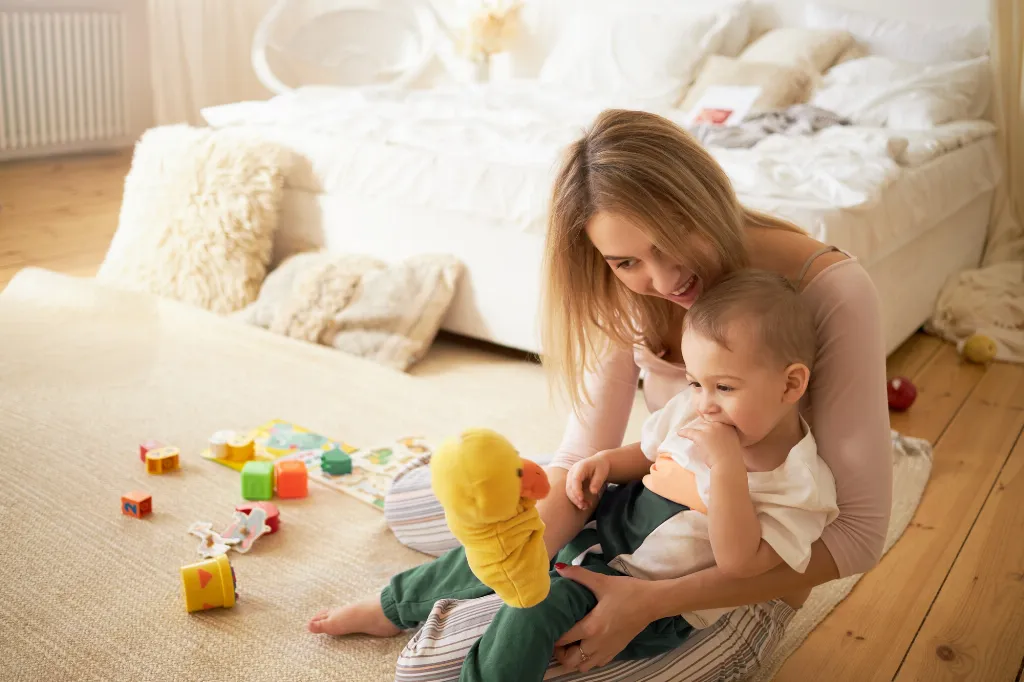
 Babysitting is a big job. This short guide explains clear, practical steps you can use with families and babysitters. Put safety first, practice skills, and make plans together so everyone knows what to do. This helps with #safety, #babysitting, #CPR, #SIDS, and #emergency planning.
What should be in an emergency plan for babysitters?
📞 Parent and alternate contact numbers (work, cell, neighbor).
🏥 Child’s medical info: allergies, medicines, doctor, and recent weight. Keep a copy of the child’s vaccine record and medical history as suggested by KidsHealth.
🧾 Emergency numbers: 911, poison control, local fire & police, and the home address.
🧯 Fire escape plan: two ways out and an outside meeting spot. Practice with the family.
🧰 Location of first aid kit, flashlight, and phone charger.
🧷 Special instructions: feeding, naps, bedtime, and any medical devices.
Put the sheet on the fridge and give the babysitter a copy. For templates, see the ChildCareEd Emergency Form Buy Now $0.00 resource.
How can babysitters and staff get ready with training and tools?
Training builds confidence. Follow these steps to prepare babysitters and staff:
Enroll in pediatric first aid and CPR Buy Now $95.00. ChildCareEd explains why training matters in their post.
🔁 Practice skills often. Run short drills: calling 911, choking relief, and using an epinephrine auto-injector (if a child needs one).
📘 Keep quick-reference cards visible: child CPR steps, choking steps, and allergy action plans. The Red Cross has helpful tips for babysitters at home Red Cross.
🧰 Stock and check supplies: a first aid kit, emergency contact list, the child’s medicines (labeled), and a flashlight. Use CDC guidance for infant supplies in emergencies: CDC checklist.
ChildCareEd offers blended and in-person First Aid & CPR training to fit busy schedules here.
What should babysitters know about infant sleep and SIDS?
Infant sleep safety saves lives. Babysitters should follow the A B C rules and local safe-sleep policies:
A = Alone: Baby sleeps alone in a crib or approved bassinet.
B = Back: Always place infants on their backs for naps and night sleep.
C = Crib: Use a firm mattress and fitted sheet; remove pillows, bumpers, and toys.
📌 Important Tips:
- Do not overbundle or let babies get too warm.
- Offer a pacifier at sleep time if parents allow; it may lower SIDS risk.
- If baby is swaddled, place on back and stop swaddling once rolling begins.
For evidence-based guidance, link to CDC’s safe sleep page Providing Care for Babies to Sleep Safely and ChildCareEd’s SIDS certification overview SIDS Certification.
What common mistakes happen and how can I avoid them?
Knowing pitfalls helps you prevent them. These are common mistakes and simple fixes:
❌ Mistake: Missing or messy emergency info.
✅ Fix: Use one clear emergency form on the fridge and in the babysitter’s phone. Use ChildCareEd’s form as a template Emergency Form Buy Now $0.00.
❌ Mistake: Untrained sitters.
✅ Fix: Require pediatric first aid and CPR training and keep records. ChildCareEd highlights training benefits here.
❌ Mistake: Unsafe sleep practices.
✅ Fix: Learn ABCs of safe sleep and post crib rules. See CDC safe sleep advice here.
❌ Mistake: Babysitter afraid to call 911.
✅ Fix: It’s okay to call if unsure and practice phone scripts. The KidCentral piece reminds families to allow sitters to call 911 Does your Babysitter know?.
Keep communication kind and clear. Practice emergency steps with staff and families. Small drills help everyone stay calm and act fast.
Conclusion
Babysitting safety is teamwork. Follow these steps:
- Prepare a clear emergency plan and post it.
- Require and refresh pediatric first aid and CPR training.
- Teach safe sleep rules for infants (ABCs) and follow policies.
- Practice drills and keep supplies ready.
FAQ
Q: Should babysitters know CPR?
A: Yes. Pediatric CPR training is strongly recommended. See ChildCareEd’s training overview here.
Q: Where should emergency info be kept?
A: On the fridge, in the babysitter’s phone, and with the first aid kit. Use an emergency form from ChildCareEd Emergency Form Buy Now $0.00.
Q: Can a babysitter move a sleeping infant?
A: Only if the baby is unsafe. Always follow safe sleep rules and parent instructions.
Q: Who decides if a sitter can call 911?
A: Parents should tell sitters it’s okay to call. If unsure, call 911 — it’s better to be safe.
- How To Keep A Healthy Class: Six Tips for Germ Control
- Texas Primary Caregiver Qualification
- Health and Nutrition
- 45-Hour Infant and Toddler Curriculum
- Texas Director Credential
- Preventative Health and Safety
- Safeguarding Young Lives: A Comprehensive Guide to Child Care Safety
- Supporting Families and Caregivers in Language and Literacy
- CDA Certification en Español: Recursos y Consejos para Educadores Bilingües
- ¿Cuáles son las habilidades principales que toda maestra de guardería necesita?
- Capacitación en Salud y Seguridad Preventiva en Línea para Proveedores de Cuidado Infantil
- Lista para Guardería en Casa en Texas: Cómo Iniciar una Guardería en el Hogar
- Consejos de Supervisión Activa para Salones de Preescolar y el Juego al Aire Libre
- How to Become a Certified Babysitter
- Babysitting Training Online: How to Build Skills, Safety, and Confidence
- Online Babysitting Training for Teens and Beginners
- How Many Kids Can You Babysit in Your Home Without a License?
- Entry-Level Daycare Jobs: How to Start Your Child Care Career
- How Many Kids Can You Watch Without a License in Texas?
- How Many Kids Can You Watch Without a License in Virginia?
- How Many Kids Can You Watch Without a License in Wisconsin?
- How Many Kids Can You Watch Without a License in California?
- How Many Kids Can You Babysit Without a License in Nevada?
- Online Babysitting Classes: Learn the Skills to Care for Children Safely
- What Is the Difference Between Babysitting, Child Care at Home, and a Licensed Home Daycare?
- Which Texas Daycare License Do You Need: Center, Licensed Home, or Registered Home?
- Childcare License Texas: Which Permit Do You Need for the Program You Want to Open?
