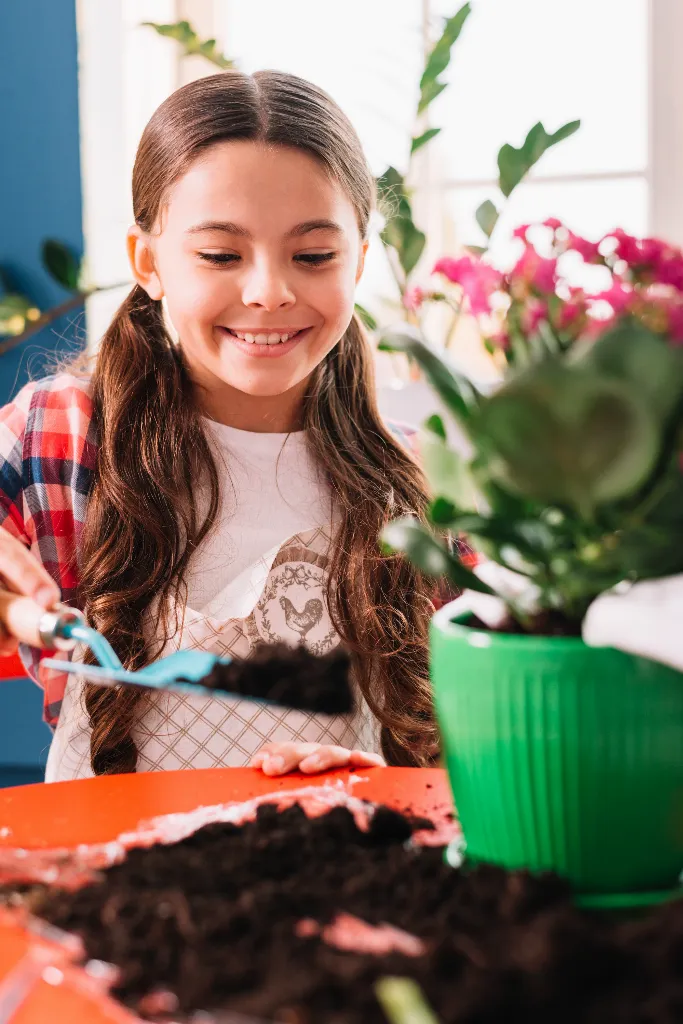
 Environment Day is a great chance for child care programs to teach kids about caring for our planet. Simple, hands-on activities help children practice skills and feel proud when they help. Below you will find easy ideas you can use in the classroom, outside, or to share with families. For family-focused activities and tips timed to the global celebration on April 22nd, see April 22nd Is Earth Day.
1) What quick, low-prep green activities can we run on Environment Day?
Try simple activities that need little setup and give big learning: follow a numbered plan so staff and children know the steps.
- 🌱 Plant a seed in a cup. Track growth with a chart and photos. (Link: Best Earth Day Activities)
- ♻️ Recycling relay: sort clean items into bins by type. Make teams and time each round.
- 📚 Story + pledge: read a short book, then have kids draw one small promise (e.g., use less water).
- 🎨 Treasure-from-trash art: use clean recyclables to build animals or flowers. See Beautiful Junk.
- 🚮 Pickup & reflect: do a short clean-up around your site and count bags collected. For ideas on linking your clean-up to broader community efforts—like park cleanups, bird counts, or other local Earth Day events—see Earth Day events near you.
Tips: keep most activities 15–30 minutes for preschoolers. Use simple visuals and one leader per small group. Add the hashtag words: help kids see the idea—like planting in your #garden, trying a #compost jar, or teaching how to #recycle on #EarthDay and take learning #outdoor.
2) How do we set up hands-on projects like gardens, compost, and nature stations?
Hands-on projects give children real science and care experience. Use a short step-by-step plan and start small.
- 🌿 Pick a space and a plan:
- 1) Containers, window boxes, or one raised bed work well.
- 2) Choose fast plants (lettuce, herbs, sunflowers).
- 💧 Make a watering and care schedule:
- 1) Assign watering days to small groups or “garden helpers.”
- 2) Keep a log with photos for observation and assessment.
- 🪱 Start a simple compost jar or bin:
- 1) Use a clear jar to watch breaks down, or a small covered bin for class scraps.
- 2) Teach what can go in (fruit/veg peels) and what to avoid (meat, dairy).
- 🔬 Build a nature station: magnifiers, bug boxes, and a leaf ID chart for outdoor observations.
- 📚 Use linked lesson ideas and guides: see Garden-Based Learning and Earth Day Every Day.
Document learning with photos, short child quotes, and drawings. These show growth and help when you apply for small grants or share with families.
3) How do we keep green activities safe, inclusive, and easy to run?
Safety and inclusion let every child join. Follow steps and simple rules so activities are fun and secure.
- 🧰 Safety checklist:
- 1) Use child-safe tools and blunt scissors.
- 2) Provide sun hats, shade, and water. (See CDC guidance: Outdoor Play and Safety.)
- 3) Watch for allergies and get signed permission for tastings. State rules apply—state requirements vary - check your state licensing agency.
- 🤝 Inclusive steps:
- 1) Offer choices: digging, watering, drawing, or counting seeds so all skill levels join.
- 2) Use picture labels and simple checklists for children with language needs.
- 🔄 Keep it simple for staff:
- 1) Do 1–2 short activities a day instead of one big event.
- 2) Prepare a quick supply box and a rotating helper chart.
Common mistakes and how to avoid them:
- 1) Over-planting: start with one pot per group. ✅
- 2) No watering plan: make a signed weekly chart. ✅
- 3) Forgetting documentation: take 1–2 photos per week and a child quote. ✅
4) How can we involve families and make green habits last beyond Environment Day?
Family involvement turns single events into lasting change. Use small steps to include families and the community.
- 📢 Invite families with clear notes:
- 1) Send short flyers with time, tasks, and items to save (clean milk jugs, bottle caps).
- 2) Offer at-home kits: seed packets, a simple checklist, or a scavenger hunt.
- 🌳 Share small wins:
- 1) Post pictures and a short story about what children learned.
- 2) Celebrate with a mini harvest snack or a class pledge board.
- 🔗 Build community partners:
- 1) Ask a local garden group or extension service to visit. (See local links in Garden-Based Learning.) You can also tie visits to service-themed events—consider pairing a garden visit with simple community-service projects or classroom reflections using MLK activities to reinforce civic responsibility.
- 2) Hold a compost drop-off or e-waste drive with a partner organization (see Zero Waste guides: Zero Waste Schools).
- 🔁 Turn one activity into a habit:
- 1) Make a weekly watering team or recycling monitor.
- 2) Use a green habits tracker and give small recognitions.
FAQ
- Q: How long should activities be? A: 15–30 minutes for preschoolers; older kids can do longer projects.
- Q: Can infants join green activities? A: Yes—use sensory-safe, supervised touches like smelling herbs or looking at plants.
- Q: What if families can’t volunteer? A: Offer take-home kits and photos, and ask for small donations like seeds.
- Q: How do we start with no budget? A: Use recycled containers, parent donations, and small grants. Check free resources on ChildCareEd free resources.
- Q: Where to find lesson plans? A: ChildCareEd has many guides and activity pages linked above.
Conclusion
1) Start small: a seed cup, a compost jar, or a short clean-up. 2) Keep routines simple and safe. 3) Involve families and partners to make habits last. Use the links above for ready activities and training. Celebrate small wins—each seed and each recycled item helps children grow into caring, active stewards of the planet.
- 45 Hour Child Growth and Development
- 45 Hour Preschool Methods and Materials
- CDA Family Child Care Credential
- Bienvenido! Welcoming All Families
- Birth to Five CDA Credential with Portfolio Review
- Play Safe, Think Big: Literacy Through Play
- 45 Hour Infant and Toddler Methods and Materials
- 45 Hour School Age Methods and Materials
- Texas Director Credential
- Today Is Earth Day!
- Juneteenth History and Activities
- How Neurodivergent Kids Shine During the Holidays
- 🩺 Cumplimiento de Salud e Inmunización en Cuidado Infantil de Nevada ✔️
- ¿Cuáles son las mejores actividades del Día de la Tierra para niños en casa o en el aula?
- ¿Cómo puedo usar escenarios de juego de roles de primeros auxilios en mi aula?
- ¿Cómo puedo enseñar habilidades de primeros auxilios con escenarios de juego de roles?
- Actividades de Motricidad Gruesa que Desarrollan el Equilibrio, la Coordinación y la Fuerza
- Actividades de Fiesta para Niños de Preescolar y Primaria
- Cómo Celebrar el Día Nacional del Kindergarten
- How can Washington forest and nature center field trips work well on a rainy day?
- How can New York early childhood programs use garden-based learning?
- Calabazas, hojas y manzanas: actividades de otoño para preescolares
- Celebrando la amistad en el cuidado infantil durante el Día de los Mejores Amigos
- Green Activities for Kids: Celebrate Environment Day
- Diversión fresca de verano: actividades del Día Nacional del Helado para niños
- After-School Activities for School-Age Children
- How can you turn summer days into learning moments at your Minnesota program?
- How can Minnesota child care providers celebrate National Ice Cream Day safely and with fun activities?
- How can child care programs help children build confidence and independence?
