A strong childcare learning environment helps children feel safe, engaged, and ready to learn. It supports growth in many areas, including social, emotional, physical, and cognitive development. Educators play a big role in shaping this environment through daily choices, #classroom-setup, and how they interact with children.
This article shares simple, practical ways educators can improve childcare learning environments to help every child thrive.
What Does a Quality Learning Environment Look Like?
A quality childcare learning environment is more than pretty walls or nice toys. It is a place where children feel: 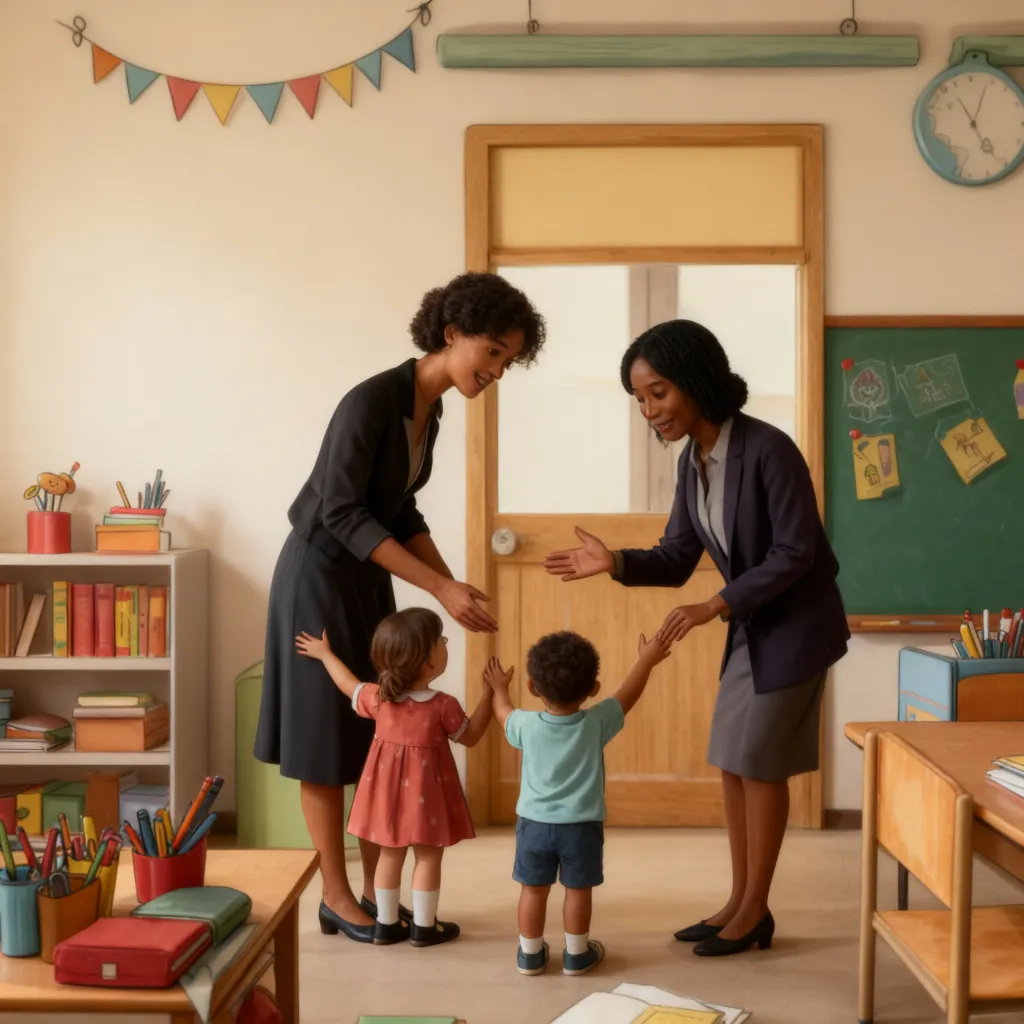
- Safe and secure
- Happy and welcomed
- Encouraged to explore and learn
It includes thoughtful classroom areas, clear routines, and supportive #teacher-child relationships. When children feel comfortable, they are more confident and curious learners. Environments that focus on #development, clear communication, and kindness help children succeed every day.
How Can Classroom Design Help Children Learn?
The physical layout of your space plays a major role in how children behave and explore.
Try these ideas:
- Create defined learning areas for play, reading, art, and quiet time
- Use labels and pictures so children know where materials belong
- Choose child-sized furniture so children are independent
- Provide open space for movement and exploration
A well-organized room lets children make choices and builds independence. Simple design changes can make a big difference in how children interact and learn.
📘 Recommended Training:
A Better Space for All — Learn how to create inclusive, supportive environments where every child can participate and feel valued.
Why Do Routines and Schedules Matter?
Children do best when they know what to expect. Routines help children feel safe and ready for learning.
Helpful routines include:
- Morning greetings
- Group time
- Snack and meal times
- Cleanup and transitions
When children learn the flow of the day, they act with confidence and understanding. Routines also help reduce confusion and challenging behaviors.
How Can Educators Build Strong Relationships?
Positive relationships are key to learning. Children who feel #respected and heard are more likely to take healthy risks, share ideas, and try new skills.
Ways to build strong relationships:
- Greet each child by name
- Listen to children’s thoughts and feelings
- Offer praise for effort and participation
- Sit at children’s eye level when talking
These small moments build trust and help children feel secure. Meaningful connections support #socialemotional #growth-and classroom cooperation.
How Can Learning Materials Support Child Growth?
Learning materials should be meaningful and open-ended.
Choose materials like:
- Blocks and building toys
- Art supplies
- Books and dramatic play props
- Puzzles and sensory materials
These choices help children explore, create, and solve problems. Rotating materials over time keeps interest high and encourages ongoing curiosity.
How Can Educators Support Positive Behavior?
Good behavior comes from teaching and guidance—not punishment. Children learn best when adults show them what to do, not just what not to do.
Positive strategies include:
- Using kind, clear instructions
- Offering choices (e.g., “Do you want to pick up blocks or books first?”)

- Praising cooperation and effort
- Helping children label their emotions
These ideas improve self-control and support respectful interactions.
🎓 Recommended Training:
Staying Positive: Guidance for Preschoolers — Explore positive discipline and support social and emotional development in young children.
How Can Educators Use Play to Enhance Learning?
Play is one of the most important tools for learning. Through play, children practice social skills, solve problems, and build confidence.
Tips for learning through play:
- Let children follow their interests
- Join play to extend language and thinking
- Offer materials that invite exploration
- Use group play to support cooperation
Play invites children to learn at their own pace and in ways that feel natural and joyful.
How Can Educators Support Inclusion and Diversity?
An inclusive environment welcomes all children and reflects their families, cultures, and backgrounds.
You can:
- Add books and toys showing diverse people and cultures
- Invite families to share traditions or stories
- Make sure all children can access materials easily
- Encourage empathy and respect during discussions
Inclusive environments help children feel seen and respected. They also teach kindness and acceptance.
📖 Related ChildCareEd Article:
How to Create an Inclusive Childcare Environment: Embracing Diversity and Culture — Practical tips on celebrating differences and building belonging in the classroom.
What ChildCareEd Resources Can Help You Today?
ChildCareEd offers free resources to support childcare educators as they improve learning environments.
🧰 Helpful Resource:
ChildCareEd Free Resources — Find checklists, printable tools, and #classroom-support materials to help with organization, planning, and daily routines.
Related resource Buy Now $0.00
These tools can support planning, classroom setup, and daily workflow to create calmer, more organized spaces.
How Can Educators Keep Learning and Growing?
Continued learning helps educators reflect on practice and improve classroom experiences.
📌 Recommended Training:
Supporting Social Learning: Creating Classrooms that Care — Discover how to build community, strengthen relationships, and support behavior through social learning strategies.
Ongoing training helps educators stay confident, creative, and responsive to children’s needs.
Want More Ideas and Inspiration?
Stay up to date with tips, ideas, and support for childcare professionals.
📲 Follow ChildCareEd on Instagram for daily classroom tips, inspiration, and practical ideas:
Improving childcare learning environments doesn’t require big changes. Small, intentional steps—like setting up engaging spaces, using clear routines, and building warm relationships—can make your classroom a place where children feel safe, included, and excited to learn.
- CDA Home Visitor Subject Area 3 Part 3 Birth to 5
- Bienvenido! Welcoming All Families
- CDA Infants/Toddlers: Health and Safety
- CDA Infants/Toddlers: Abuse and Neglect Reporting Requisites
- CDA Bridge Bundle: Family Child Care without Portfolio Review
- CDA Bridge Bundle: Infant/Toddler without Portfolio Review
- CDA Bridge Bundle: Preschool without Portfolio Review
- CDA Infants/Toddlers: Classroom Setup
- CDA Infants/Toddlers: Smart Nutrition & Feeding
- Shoo, Germs! Don't Bother Me!
- The Vital Role of Professional Development
- The Power of Play
- From Challenges to Triumphs: Strategies for Childcare Educators in New York
- What Makes Me Special: An Overview of Autism and ADHD
- How motor skills shape child development and creative ways educators can foster them.
- The 2026 Guide to Leveling Up Your Childcare Expertise
- CDA Certification en Español: Recursos y Consejos para Educadores Bilingües
- 🌱Raising the Bar: What Makes a Daycare Provide High-Quality Care?
- How can learning environments support children's development?
- How Can Early Childhood Programs Implement Practical Sustainability Practices?
- From Training to Career Growth: Exploring Online Early Childhood Education
- What Is the Difference Between Early Childhood Education and Child Development?
- How Can Child Care Providers Make Outdoor Learning Meaningful, Safe, and Inclusive?
- What Makes a Preschool Curriculum Meaningful, Inclusive, and Effective?
- What Makes a High-Quality Child Care Program?
