What Are Developmental Milestones?
Watching a child grow is one of the best parts of being a child care provider. One day, an infant is just looking around. The next day, they are rolling over! These big moments are called #developmental-milestones.
Think of milestones like a roadmap. When you go on a trip, you look for signs to make sure you are on the right path. Developmental milestones act the same way. They help us see if a child is growing and learning as expected for their age.
These milestones are skills that most children can do by a certain age. They usually fall into four main groups, or "domains."
- Physical: This is how the body moves. It includes big movements like walking ( #gross-motor) and small movements like picking up a cheerio (fine motor).
- Cognitive: This is how the brain works. It includes learning, thinking, and solving problems.
- Language: This is how a child communicates. It includes speaking, listening, and understanding words.
- Social and Emotional: This is how a child feels and acts with others. It includes playing with friends and managing feelings.
Why Is Tracking Milestones So Important? 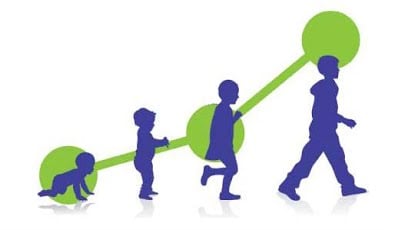
You might wonder, "Why do I need to track this? Can’t I just let them play?" Play is very important! But as a provider, you are on the front lines. You see the children every day. You are often the first person to notice if a child is struggling.
When you understand milestones, you can plan better activities. If you know a #toddler is ready to learn shapes, you can add shape sorters to your #classroom. This helps them learn faster.
Also, tracking milestones helps with #earlyintervention. This means catching a problem early. When we catch a delay early, we can get the child help. The earlier they get help, the better they will do in school later on.
To learn more about how to spot these signs, check out our course: The Science of Growing Up: Typical and Atypical Development  Buy Now $55.00. It is designed to help you see the difference between normal #growth-and a potential delay.
What Should Infants (0–12 Months) Be Doing?
The first year of life is full of big changes. Babies grow very fast! Here are some things you should look for in the infants in your care.
By 3 Months:
- They smile at people.
- They can hold their head up during tummy time.
- They follow moving objects with their eyes.
By 6 Months:
- They like to look at themselves in a mirror.
- They begin to pass things from one hand to the other.
- They respond to their own name.
By 12 Months:
- They may say simple words like "mama" or "dada."
- They can pull themselves up to stand.
- They play games like "peek-a-boo."
If you work with babies, it is important to know these signs. It helps you keep them safe and happy.
What Should Toddlers (1–3 Years) Be Doing?
Toddlers are busy! They want to explore everything. This is a time when they start to become more independent.
Physical Skills: Toddlers learn to walk alone. They start to run and kick a ball. They can also start to eat with a spoon.
Social Skills: This is when children start to notice other kids. They might play next to other kids, but not with them yet. This is normal. They also start to show more feelings, like temper tantrums. This is part of learning how to handle emotions.
Cognitive Skills: Toddlers start to sort shapes and colors. They can follow simple instructions like "pick up the toy."
What Should Preschoolers (3–5 Years) Be Doing?
By the time children reach #preschool-age, their world gets bigger. They talk more and play more with friends.
Language: Preschoolers can tell stories. They can say their name and age. They ask lots of questions like "Why?" and "How?"
Social Skills: They start to share and take turns. They like to play " #pretend" games, like playing house or superheroes. This is a big part of #childdevelopment.
Physical Skills: They can hop on one foot. They can use scissors to cut paper. They can dress themselves with a little help.
If you want to get better at checking these skills, you should take our course: Tracking Progress, Shaping Futures: Observation & Assessment Skills Buy Now $55.00. It teaches you how to document what you see in the classroom.
How Can You Spot a Delay?
Every child is different. Some walk early. Some talk late. This is normal. However, there are some "red flags" or warning signs you should watch for.
You should pay attention if a child:
- Loses skills they once had (like they stop talking).
- Does not make eye contact.
- Does not respond to their name.
- Seems very stiff or very floppy.
If you see these signs, do not panic. It does not always mean there is a disability. But it does mean you should watch closely and take notes.
Using a checklist is a great way to stay organized. You can download a helpful checklist from our site. Visit our Free Resources page to find tools that help you track growth in your classroom.
How Do You Talk to Parents About Concerns? 
This is the hardest part for many providers. You love the child, and you do not want to scare the parents. But being honest is part of being a professional #childcareprovider.
Here are some tips for talking to parents:
- Start with the Good: Tell them something the child does well first. "I love how Sarah shares her toys."
- Use Your Notes: Don't just guess. Show them your notes or checklist. "I noticed that Sarah isn't using two-word phrases yet. Have you noticed that at home?"
- Ask Questions: Ask the parents what they see. They know their child best.
- Be a Partner: Let them know you are on their team. You are working together to help their child grow.
You can read more about building these relationships in our article on Building Positive Relationships with Families. It gives you great words to use during these talks.
Conclusion
Understanding developmental milestones is a superpower. It helps you create a fun, safe, and educational place for children. When you know what to look for, you can help every child reach their full potential.
You don't have to memorize every single milestone today. Use checklists, take training courses, and keep observing. You are doing a great job guiding these young minds!
Do you want more tips on child development delivered right to your feed? Follow us on Instagram for daily tips and fun activity ideas!
- CDA Family Child Care Credential
- CDA Family Child Care Credential with Portfolio Review
- 45 Hour Infant and Toddler Methods and Materials
- CDA Bridge Bundle: Family Child Care
- 24 Hour Texas Pre-Service
- CDA Bridge Bundle: Family Child Care without Portfolio Review
- CDA Bridge Bundle: Infant/Toddler without Portfolio Review
- CDA Bridge Bundle: Preschool without Portfolio Review
- 45-Hour Infant and Toddler Curriculum
- Texas Director Credential
- Identifying Developmental Milestones in Children
- 🍑 ¿Qué capacitación requiere DECAL cada año para el personal de cuidado infantil en Georgia?
- 🍼📋 ¿Qué necesitas para trabajar en el cuidado infantil en Texas?
- Regulaciones de Licenciamiento de Cuidado Infantil en California para Centros y Hogares de Cuidado Infantil Familiar
- Retraso del Habla en la Guardería: Cómo Pueden Ayudar los Proveedores
- Cómo Trabajar en el Cuidado Infantil en Wisconsin: Requisitos y Pasos
- How can child care providers tell typical from atypical child development and act early?
- MyFlorida Child Care Training: How to Find Your Required DCF Courses
- How Can Child Care Providers Support Healthy Brain Development in Young Children?
- How Can Child Care Providers Recognize and Support Developmental Delays?
- How Can Child Care Providers Support Individual Differences in Development?
- How Can Child Care Providers Understand and Support Infant Milestones?
- How Can Child Care Providers Support Infant Development?
- How Can Child Care Providers Support Healthy Toddler Development?
- How Can Child Care Providers Support Preschool Development Across the Whole Child?
- How Can Child Care Providers Support School-Age Development?
- How Can Child Care Providers Support Healthy Child Growth and Development?
- What Are the Best Ways to Support a Child’s Speech Development?
- How Can Child Care Providers Understand and Support Speech and Language Development?
