What Is Sensory Processing?
Imagine you are driving a car in a very busy city. There are lights flashing, horns honking, and people walking everywhere. Your brain has to look at all these things and decide what to do. It tells you when to stop, when to turn, and when to slow down.
This is what sensory processing is like for a child.
Sensory processing is how the brain takes in information from the world and organizes it. Every day, our bodies send messages to our brains. We see, hear, taste, touch, and smell. The brain acts like a traffic cop. It directs the traffic so we can move, learn, and stay calm.
When the traffic flows well, a child can pay attention and #play. But sometimes, there is a "traffic jam" in the brain. When this happens, a child might scream because a noise is too loud, or they might crash into walls because they can't feel where their body is.
Understanding this process is a key part of #child #development. It helps us see that a child isn't just "acting out"—they might be struggling to handle the world around them.
What Are the "Hidden" Senses?
Most people know the five basic senses: sight, hearing, taste, smell, and touch. But did you know there are two more? These "hidden" senses are very important for young children. 
- Vestibular (Balance and Movement): This sense is located in the inner ear. It tells us if we are moving, spinning, or standing still. It helps with balance. A child who loves to spin in circles is using their vestibular sense.
- Proprioception (Body Awareness): This sense comes from our muscles and joints. It tells us where our body parts are without looking. It helps us know how hard to push a toy or how to hold a cup without crushing it.
When we look at #sensory processing, we have to look at all seven senses. If a child has trouble with one of them, it can change how they behave in your #classroom.
What Is the Difference Between Seekers and Avoiders?
Children process sensory information in different ways. Some children need more feeling, and some need less. We often call these children "Seekers" and "Avoiders."
Sensory Seekers: These children have a "high threshold." Their brain needs a lot of input to feel normal.
- They might crash into friends or furniture.
- They love loud noises and bright lights.
- They chew on shirts, pencils, or toys.
- They have trouble sitting still during circle time.
Sensory Avoiders: These children have a "low threshold." Their brain gets overwhelmed very easily.
- They cover their ears when the vacuum is on.
- They do not like messy play, like finger painting or mud.
- They are picky eaters because of textures.
- They prefer to play alone in a quiet corner.
Recognizing these patterns helps you help the child. Instead of asking a Seeker to "sit still," you might give them a heavy book to hold. This gives their body the input it needs.
To learn more about how to support these children, we recommend our course: Supporting Skill Development: Children with Special Needs.  Buy Now $24.00 It teaches you how to help children learn important life skills despite these challenges.
How Does Sensory Processing Affect Behavior?
Have you ever seen a child have a meltdown because their socks felt "wrong"? To an adult, it looks like a small problem. To the child, it feels like an #emergency.
When a child has sensory challenges, their brain goes into "fight or flight" mode. They are not trying to be naughty. They are trying to feel #safe.
- Distraction: A child who hears every little noise (like a clock ticking) cannot focus on the story you are reading.
- Aggression: A child who needs deep pressure (proprioception) might push or hit other kids because they are seeking that feeling, not because they are mean.
- Withdrawal: A child who gets overwhelmed might hide under a table to escape the bright lights and noise.
Understanding the "why" behind the behavior changes everything. It helps you have more patience.
What Can You Do in the Classroom?
You do not have to be an occupational therapist to help. As a #childcareprovider, there are simple changes you can make to your classroom to support all learners.
- Create a "Calm Down" Corner: Make a small, quiet space with soft pillows. Add items like noise-canceling headphones, sunglasses, or soft fabrics. This is a safe place for "Avoiders" to go when the classroom gets too loud.
- Use "Heavy Work": Heavy work is magic for children who are "Seekers" or have a lot of energy. Activities that push or pull against the body help calm the brain.
- Have children carry the heavy lunch basket.
- Let them push the wall (try to "move the room").
- Do "chair push-ups" by lifting their bodies with their arms.
- Adjust the Environment: Look at your room. Is it too bright? Are the walls too busy?
- Turn off half the lights and use natural light if you can.
- Create quiet zones and active zones.
- Use visual schedules so children know what to expect.
For more hands-on ideas, read our article: Sensory Overload: How a Box of Rice Can Help Your Brain Chill Out. It offers great tips on using sensory bins to help children self-regulate.
When Should You Talk to Parents?
We all have sensory preferences. Some adults hate the sound of chewing; others love spicy food. It only becomes a problem when it stops a child from doing daily tasks.
You should track your observations if a child:
- Cannot calm down after a small upset.
- Cannot play with friends because they are too rough or too scared.
- Is not eating or sleeping well due to sensory issues.
Use a tool like our Observation Reflection Jar to help you notice these patterns. You can find this and other helpful tools on our Free Resources page.
When you talk to #parents, be gentle. Show them your notes. Say, "I noticed that Johnny covers his ears when we sing. Have you seen this at #home?"
Conclusion
Sensory processing is a big topic, but you don't need to know everything right away. Start by watching the children in your care. Who covers their ears? Who crashes into walls? 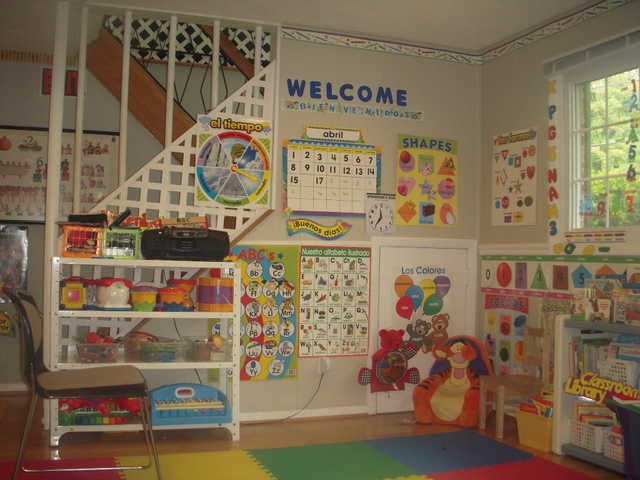
By looking at the world through their senses, you can make your classroom a happier place. When children feel comfortable in their bodies, they are ready to learn, play, and grow.
You are doing amazing work by learning about these hidden needs in #earlychildhoodeducation.
Do you want more sensory activity ideas? Follow us on Instagram for daily tips and fun classroom hacks!
- CDA Home Visitor Subject Area 3 Part 3 Birth to 5
- CDA Home Visitor Subject Area 2 Part 3 Birth to 5
- CDA Preschool Credential with Portfolio Review
- CDA Family Child Care Credential with Portfolio Review
- CDA Infant/Toddler Credential with Portfolio Review
- CDA Bridge Bundle: Family Child Care without Portfolio Review
- CDA Bridge Bundle: Infant/Toddler without Portfolio Review
- CDA Bridge Bundle: Preschool without Portfolio Review
- Texas Director Credential
- Frosty Fun: Trauma-Informed Play for Resilient Young Learners
- CDA Certification en Español: Recursos y Consejos para Educadores Bilingües
- 🔍 ¿Qué ves cuando observas a un niño aprender?
- 🤯 ¿Por qué este niño está teniendo un comportamiento difícil de repente?
- 😤💬 ¿Qué Le Digo a un Niño que Acaba de Morder a Otro?
- ¿Cómo incluir a niños con necesidades especiales en cuidado infantil? Guía práctica y sencilla
- ¿Cuáles son las mejores actividades del Día de la Tierra para niños en casa o en el aula?
- Regulaciones de Licenciamiento de Cuidado Infantil en California para Centros y Hogares de Cuidado Infantil Familiar
- Cómo Ser Maestra de Preescolar en Illinois
- Canciones, juegos y preguntas de círculo para niños
- How Can Child Care Providers Understand and Support Sensory Needs in Young Children?
- Child Keeps Hitting Other Kids? Look for These 7 Patterns Before Reacting
- Special Needs Training for Early Childhood Educators: Which Course Should You Take?
- How Can Child Care Providers Support Children with Sensory Processing Differences?
- How Can Child Care Providers Use Sensory Play to Support Young Children’s Development?
- How Can Daycare Providers Support Children with Sensory Processing Differences?
- How Can Universal Design Make Every Classroom More Inclusive?
- What Does a Neurodiversity-Affirming Classroom Look Like?
- Why Is My Preschooler Suddenly Aggressive, and How Can Child Care Providers Help?
