The recent Nevada event called Powered by Play gathered child care leaders and teachers to talk about one big idea: play helps children learn. If you missed it, this article shares the main points and concrete steps for centers and directors. You’ll see simple research links, easy classroom tips, and ways to bring the conference ideas back to your program. We focus on practical moves you can use tomorrow in your #Nevada #classroom to honor #play with your #children and support #educators.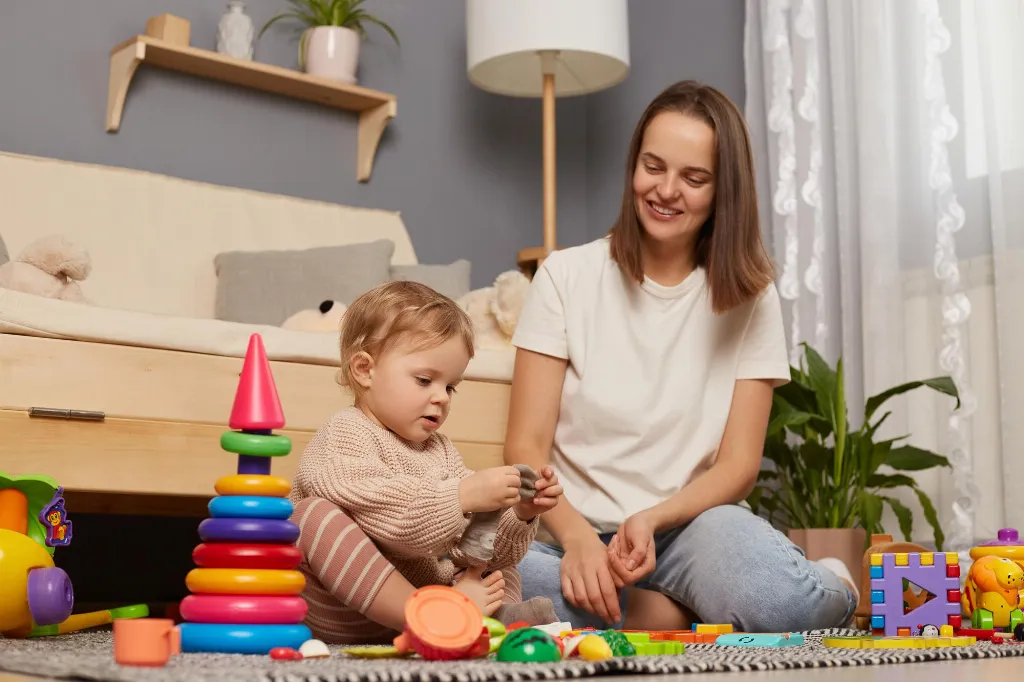
What did Nevada’s Powered by Play conference highlight?
The conference showed why play is central to early learning. Key ideas included:
- Play builds thinking, language, and social skills. Research summaries on ChildCareEd explain how play helps brains grow — see What Does Research Really Say About the Power of Play? and The Power of Play.
- Guided play works. Adults use small prompts to help children meet learning goals without taking over. See the Cambridge guide to play-based learning at Getting started with play-based learning.
- Quality matters: better-trained staff and smaller groups improve outcomes. This matches findings from RAND on early interventions: Proven Benefits of Early Childhood Interventions.
- Practical tools and trainings are available. Nevada providers may find local ChildCareEd classes like Play, Learn, Grow listed among Nevada trainings.
These takeaways were described in short talks, practice sessions, and resource tables. Many presenters stressed that play must be protected in daily schedules and supported by staff coaching.
Why does play-based learning still matter?
Why it matters:
1) Play is how young children test ideas. When children play, they try out language, solve problems, and learn new words. For clear child-friendly summaries, see ChildCareEd’s guide Play-Based Learning and Cognitive Growth. For a readable synthesis of how play supports cognitive and social-emotional development, see Hungry for Play: The Power of Play-Based Learning in Early Education.
2) Play supports long-term gains. Large reviews show that good early programs lead to better school and life outcomes. The RAND summary shows lasting benefits when programs invest in staff and time for play (RAND brief).
3) Play narrows gaps when it’s high quality. System-level reviews from the OECD stress staff training, ratios, and consistent quality across settings (OECD report).
In short, the conference reminded us of three facts: play teaches, evidence supports it, and program quality makes it work. State requirements vary - check your state licensing agency.
How can providers use conference ideas in everyday practice?
Here are simple steps you can take. Use the list as a quick checklist to bring play to every day.
- 🧰 Prepare the room: set clear centers (blocks, art, dramatic play, reading). Make materials easy to reach and rotate them weekly. See How to Bring Play into the Classroom for setup tips.
- 🎯 Plan for purpose: decide 1 learning goal per play area (language, counting, sharing). Add a question for adults to ask during play, not directions to control the game.
- 👀 Observe and note: take short notes or photos to record skills you see. Use quick observations to plan next steps and to share with families.
- 🙂 Coach staff: offer short model sessions and feedback. Conference trainers recommend follow-up coaching rather than one-off workshops. For training options, check ChildCareEd course listings in Nevada: Childcare Courses in Nevada.
- 🌳 Protect time: schedule at least one long (30–60 minute) block of uninterrupted play each day so children can develop ideas.
Tips for inclusion: adapt props and space for children with different needs. ChildCareEd’s course Play with Purpose: Supporting Children with Autism  Buy Now
 $55.00$40.00 gives strategies for inclusion and sensory supports.
How do we avoid common mistakes and answer staff or parent questions?
Common mistakes (and fixes):
- ❌ Mistake: Rushing play. Fix: give longer play blocks so ideas grow.
- ❌ Mistake: Too much adult direction. Fix: use guided prompts—ask, don’t tell.
- ❌ Mistake: Limited materials. Fix: include open-ended loose parts and rotate them.
- ❌ Mistake: No follow-up training. Fix: schedule coaching and reflection after workshops.
FAQ (quick answers):
- Q: Will play delay academics? A: No. Research shows play builds skills needed for school. See What Is Play-Based Learning and Why Does It Work?.
- Q: How long should play time be? A: Aim for at least one 30–60 minute block daily.
- Q: How do I explain play to parents? A: Share research summaries and show classroom examples or photos from play sessions.
- Q: Where to get staff training? A: ChildCareEd offers practical courses and local Nevada listings. State requirements vary - check your state licensing agency.
Conclusion
Nevada’s \"Powered by Play\" conference made a clear, friendly case: play-based learning is not a fad. It is a research-backed way to help children grow in language, thinking, social skills, and confidence. For providers, the path is clear:
- Protect daily play time.
- Set up open centers and rotate materials.
- Use guided prompts and observe learning.
- Invest in short, ongoing staff coaching.
Use the ChildCareEd links above to learn more. Keep sharing wins with families and staff. When programs protect play, children practice the big skills they will use for life.
- 45 Hour Child Growth and Development
- 45 Hour Preschool Methods and Materials
- Play Safe, Think Big: Literacy Through Play
- 45 Hour Infant and Toddler Methods and Materials
- 45 Hour School Age Methods and Materials
- Play with Purpose: Supporting Children with Autism
- Texas Director Credential Renewal
- Texas Director Credential
- Wellness in Action: Teaching Healthy Habits to Children
- CDA Certification en Español: Recursos y Consejos para Educadores Bilingües
- 🪁¿Cómo puede el juego apoyar de manera poderosa a los niños con autismo?🧩
- 😫🧸 ¿Qué hacer cuando un bebé no quiere dormir la siesta en el aula?
- 🩺 Cumplimiento de Salud e Inmunización en Cuidado Infantil de Nevada ✔️
- ❄️ ¿Qué actividades al aire libre funcionan bien para los niños de Illinois en cada estación? 🌷🍂
- 🚌🌄 Ideas de excursiones atractivas en Nevada
- Juegos de Motricidad Gruesa
- ¿Cómo explicar los colores a un niño ciego? Actividades con tacto, sonido y emociones
- Curso de Comunicación de 9 Horas de Maryland
- ¿Cuáles son las mejores actividades del Día de la Tierra para niños en casa o en el aula?
- ¿Cómo puedo usar escenarios de juego de roles de primeros auxilios en mi aula?
- 10 Ejemplos de Cómo la Cultura Influye en el Desarrollo Infantil
- Actividades de Otoño Fáciles para Preescolares esta Temporada
- Consejos de Supervisión Activa para Salones de Preescolar y el Juego al Aire Libre
- Did Nevada’s 'Powered by Play' Conference Show Why Play-Based Learning Still Matters?
- Celebrando la amistad en el cuidado infantil durante el Día de los Mejores Amigos
- Canciones, juegos y preguntas de círculo para niños
- Sparks of Inspiration: How Nevada Providers Can Bring Big Conference Ideas Back to Small Classrooms
- ¿Cómo puede la retroalimentación visual apoyar la fluidez en la multiplicación?
