Play-based learning is an educational philosophy  Buy Now $10.00 that recognizes the intrinsic value of #play as a vital component of a child's #growth. ChildCareEd Buy Now $16.00 believes it fosters creativity, critical thinking, and social skills, all while allowing children to explore their interests and #express themselves #freely.
What is play-based learning?
Play-based learning is more than just a fun activity Buy Now $16.00; it is a research-backed practice that creates enjoyable and educational experiences for children. Through different types of play, children can #develop foundational skills in a meaningful context. Here are some key types of play-based learning:
- Dramatic Play: Children use symbols or props to reenact real-world scenarios, such as pretending to work in a grocery store or restaurant. Read classroom ideas: Tiny Tots, Big Learning.
- Fantasy Play: This encourages children to use their imagination to create make-believe stories, like pretending to be superheroes or astronauts.
- Exploratory Play: Children experiment and investigate with various objects, such as aqua beads or containers filled with different textures like leaves, rocks, or sand.
- Manipulative Play: Using materials like blocks or playdough, children construct structures, solve #puzzles, or design patterns.
- Digital Play: Engaging with electronic devices like tablets or computers helps build digital literacy.
- Small World Play: Children use miniature toys, such as a farm set, to engage in imaginative scenarios.
- Games with Rules: Structured games with specific learning objectives, such as tag or hopscotch, promote social interaction. Try event-based ideas: Be a Kid Again Day: Play-Based Learning Ideas.
- Physical Play: Activities that involve physical movement, such as ball games or #outdoor-play, are crucial for developing fine and #gross-motor-skills. Read practical activities: How motor skills shape child development.
The benefits of play-based learning in #early-childhood-education are extensive:
- Enhanced Social Skills: Play encourages interaction and collaboration, helping children develop communication, #empathy, and teamwork.
- Cognitive Development: Engaging in play stimulates cognitive processes, including memory, attention, and problem-solving skills. Read more: How does play support children’s physical, cognitive, and social growth?
- Emotional Growth: Play provides a #safe space for children to express their emotions, build resilience, and develop coping mechanisms.
- Physical Development: Many play activities involve movement, promoting both fine and #gross-motor skills.
- Creativity and Imagination: Play #nurtures creativity, allowing children to explore different scenarios and ideas.
References
- The Routledge International Handbook of Early Childhood Play
- Chelsea Day School — Mission & Educational Philosophy
The advantages of play-based learning in #early-childhood education are extensive and can be categorized as follows:
-
Enhanced Social Skills: Play encourages children to interact and collaborate with their peers, helping them develop vital social skills such as communication, empathy, and teamwork. Through shared play experiences, children learn to navigate social dynamics, resolve conflicts, and build lasting friendships, which are crucial for their future interactions.
-
Cognitive Development: Engaging in various play activities stimulates cognitive processes, including memory, attention, and problem-solving skills
Buy Now $16.00. Children learn to think critically and creatively as they explore different scenarios and challenges during play, laying the groundwork for future academic success and lifelong learning. -
Emotional Growth: Play provides a safe space for children to express their emotions, build resilience, and develop coping mechanisms. It allows them to process their feelings and experiences, fostering emotional intelligence and self-regulation. This emotional foundation is essential for their overall well-being and ability to handle life's challenges.
-
Physical Development: Many play activities involve physical movement, which promotes both fine and #gross-motor
Buy Now $10.00-skills. Activities such as climbing, running, and manipulating objects help children develop coordination and strength, contributing to their overall physical #health-and fitness. This physical #engagement is vital for a #healthy lifestyle. For specific, classroom-ready activities and step-by-step strategies to increase young children's fine motor skills through playful routines, see Increasing fine motor skills in the early childhood education classroom. -
Creativity and Imagination: Play nurtures creativity and imagination, allowing children to explore different roles and ideas. This imaginative play is crucial for cognitive flexibility and innovation, as children learn to think outside the box and approach problems from multiple perspectives, fostering a love for exploration and discovery. See classroom strategies: Do Toys Come Alive.
-
Language Skills: Through play, children engage in conversations, storytelling, and role-playing, which enhances their vocabulary and #language comprehension. This interaction not only supports their communication skills but also fosters a love for language and literacy, setting the stage for academic achievement. For classroom connections and readiness ideas, see: Can play-based learning and academic readiness work together?
How does play support social-emotional learning?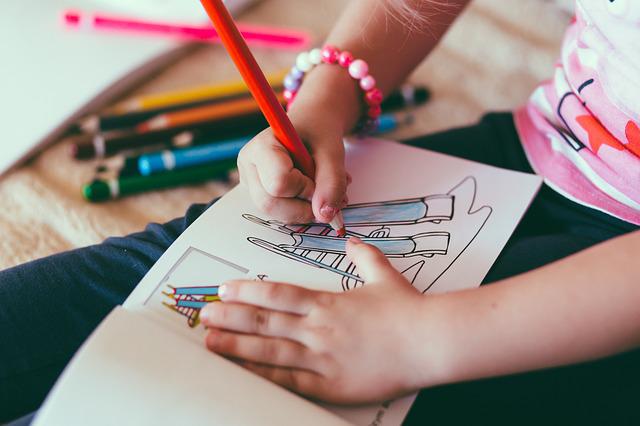
The integration of play into #early-education serves as a powerful mechanism for fostering social-emotional learning. Below are key points that highlight the benefits of play in promoting SEL:
-
Emotional Expression: Play provides a #safe
Buy Now $16.00-environment for children to express their feelings. Through role-playing and imaginative scenarios, children can explore various emotions and learn effective strategies for managing them. This exploration is crucial for emotional regulation and resilience. -
Empathy Development: Cooperative play encourages children to appreciate different perspectives. By interacting with peers, they learn to navigate social dynamics and respond to the emotions of others, fostering a deeper sense of empathy. This skill is essential for building strong, supportive relationships.
-
Relationship Skills: Engaging in play allows children to practice vital communication and negotiation skills necessary for forming and maintaining friendships
Buy Now $16.00. They learn to share, take turns, and resolve conflicts, all of which contribute to healthy interpersonal relationships. These experiences lay the groundwork for future social interactions. -
Goal Setting and Achievement: Many play activities involve setting and achieving goals, whether it’s completing a puzzle or constructing a building. This process teaches children to plan, persist, and celebrate their accomplishments, thereby enhancing their self-esteem and motivation. The ability to set and achieve goals is a critical life skill.
-
Social Skills Enhancement: Interactive play provides real-time opportunities for children to practice social skills. They learn to interpret social cues, collaborate with others, and develop a sense of belonging within a group. These skills are foundational for effective communication and teamwork.
-
Identity Exploration: Play allows children to experiment with different roles and identities, which is essential for understanding themselves and their place in the world. This exploration is crucial for developing a positive self-concept and confidence in their abilities.
References
How can educators implement play-based learning effectively?
Summary: To implement play-based learning well, teachers should intentionally design play environments, scaffold interactions, and document learning. Start by arranging versatile learning centers with open-ended materials that invite exploration and language-rich interactions. Use observation and formative assessment to identify children's interests and scaffold at the zone of proximal development: ask open-ended questions, model new vocabulary, and add challenges that extend thinking. Balance child-initiated and teacher-supported play so adults can introduce concepts and encourage social problem-solving without dominating play. Share goals with families and use daily routines to embed play with literacy and math concepts. Finally, schedule regular reflective planning—review observations, rotate materials, and offer targeted small-group invitations to play that meet individual learning objectives.
- Health, safety and nutrition
- Curriculum
- Professionalism
- Child development
- Community
- Plus
- Infant/ Toddler Educators
- Preschool Educators
- School-Age Providers
- Family Child Care Providers
- Health and Safety
- Content Areas
- Social/Emotional
- Families
- Professionalism
- Child Development
- Mental Health
- Diversity, Equity, Inclusion
- Website Articles
- Health, safety and nutrition
- Curriculum and Environment
- Child development
- Community and Family
- Montessori
- CDA
- Child Guidance
- 45 Hour Child Growth and Development
- Emergent Learning & Development
- The Best Promotion is Play
- Building Equity: Inclusionary Practices in Preschool
- 45 Hour Preschool Methods and Materials
- From Play to Planning: Building Culturally Competent, Child-Centered Curriculum
- 45 Hour School Age Methods and Materials
- Creating Environments that Nurture Growth and Community
- 10 Hour Health and Safety Orientation Training
- The Great Snowman Debate: Montessori vs. Traditional Methods for Building Frosty Friends
- Hungry for Play: The Power of Play-Based Learning in Early Education
- The power of Imagination: How to add it to your classroom
- CDA Certification en Español: Recursos y Consejos para Educadores Bilingües
- Cuáles Son las Señales de Alerta en el Desarrollo Infantil que Todo Educador Debe Conocer?
- 😫🧸 ¿Qué hacer cuando un bebé no quiere dormir la siesta en el aula?
- ¿Cómo explicar los colores a un niño ciego? Actividades con tacto, sonido y emociones
- 10 Ejemplos de Cómo la Cultura Influye en el Desarrollo Infantil
- Actividades de Otoño Fáciles para Preescolares esta Temporada
- Consejos de Supervisión Activa para Salones de Preescolar y el Juego al Aire Libre
- Cómo Ser Maestra de Preescolar en Illinois
- Capacitación CDA gratuita en Illinois
- Canciones, juegos y preguntas de círculo para niños
- Infant Classroom Schedule: A Flexible Daily Routine for Feeding, Naps, Play, and Care
- Who Qualifies for a Crayola Donation Request? A Guide for Child Care Programs
- What Makes a Great Home Daycare? 10 Things Parents Notice First
- More Than ABCs and 123s: The Real Importance of Early Childhood Education
- ¿Todos los niños deben participar en el tiempo de círculo?
