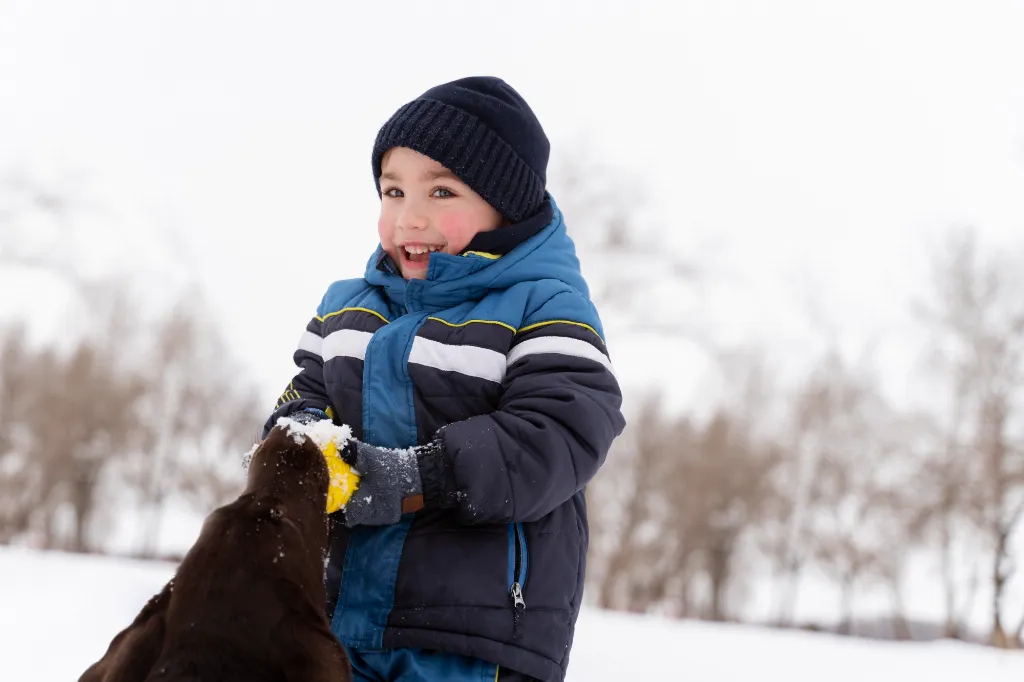
 Working in Alaska means you and your team see very cold days. You want children safe, warm, and learning. This article helps directors and providers decide when it is too cold for outdoor play, how warm classrooms should be, and what routines help staff make steady choices.
Remember: state requirements vary - check your state licensing agency.
For practical decision tools, see the ChildCareEd guidance on outdoor play like What Temperature Is Too Cold for Outdoor Play in Child Care?
How cold is too cold for outdoor play in Alaska?
1. There is no single number that fits every day or every program. Instead follow a short checklist each time before you go out:
- 🌬️ Check wind chill, not just the air temperature. Wind makes it feel much colder and speeds frostbite. See ChildCareEd's cold-weather guide for ideas.
- ❄️ Check wetness and activity level. Wet clothes and quiet play lower body heat faster.
- 📍Consider the child: infants, toddlers, or children with medical needs get cold faster and need shorter outdoor time.
2. Example rules other programs use (adapt for Alaska):
- 🟢 Go: Wind chill above single digits (staff still watch clothing).
- 🟡 Caution: Wind chill between 0°F and single digits — shorten outdoor time, add warm-up breaks and check hands/feet often.
- 🔴 No outdoor play: Wind chill at or below -15°F (or your local health agency cutoff) — stay inside. Minnesota guidance and many centers use values near -15°F as a marker for danger; see ChildCareEd and Child Care Weather Watch Guidelines.
3. Use local forecasts and the CDC outdoor play tips as part of your checks; see CDC Outdoor Play and Safety. Keep a posted weather chart by the door so substitutes and new staff make the same call every time. Put your #Alaska program's numbers on the chart and train staff to follow them. #cold #children #safety #outdoorplay
What indoor temperature rules should Alaska daycares follow?
1. Alaska licensing may have specific requirements — check your state agency first. If your state rule is quiet or not clear, use common best practices so rooms stay comfortable for young children.
2. Practical, everyday steps to set indoor temperature routines:
- 🔧 Put a reliable thermometer in each classroom about 3 feet above the floor. Record temps at arrival, before nap, and before afternoon outdoor time. ChildCareEd suggests this simple logging routine in its example policies; see Illinois temperature guidance for a concrete model.
- 🧰 Aim for a comfortable range: many programs keep classrooms around 68°F–75°F in cooler months and slightly warmer for infants. For infants and toddlers some states list a slightly higher summer range; see ChildCareEd Illinois rules as an example of documented ranges.
- 📣 If heating fails: move groups to warmer rooms, add safe layers, use center warm-up activities, and notify parents if needed. If a HVAC problem lasts, document your steps and contact licensing as your rules require.
3. Remember: Title and workplace rules (like California Title 22 or local building codes) focus on safety, ventilation, and scald prevention at sinks. For ideas about what licensors look for, read ChildCareEd California rules. Always note: state requirements vary - check your state licensing agency.
How can staff keep children safe and warm during cold days?
1. Use simple steps every day so staff act fast and the children stay comfortable.
- 🧥 Dress in layers: base layer (wicking), middle layer (warmth), outer layer (wind/waterproof). Keep hats, mittens, and waterproof boots ready for outdoor transitions. ChildCareEd's cold-weather tips show layering and spare-gear ideas: What Temperature Is Too Cold.
- ⏱️ Plan warm-up breaks every 15–30 minutes in very cold or windy weather. Bring children briefly inside or to a sheltered spot to check hands/feet and swap wet clothes.
- ☃️ Watch for signs: persistent shivering, pale or hard skin, slow responses, or complaints of numbness — these can be early frostbite or hypothermia. If you see severe signs (confusion, very cold skin, difficulty breathing) act quickly: get child indoors, warm them slowly, and call emergency services if needed. See CDC winter storm and cold guidance: CDC Winter Storm Safety.
- 📦 Keep a cold-weather kit near exits: spare mittens, socks, hats, dry pants, plastic bags for wet items, and a warm-up plan. ChildCareEd free resources like Cold Weather Safety PDF and activity ideas for indoor days help staff transition smoothly.
2. Supervision matters: assign zone leads outside, do headcounts before and after transitions, and practice fast move-ins for storms. Teach children brief rules: keep mittens on, tell an adult if fingers feel numb, and stay near staff. These habits make cold days safe and keep play happy.
How do we write clear policies and avoid common mistakes?
1. A short written policy with numbers and steps keeps everyone on the same page. Use a posted weather chart and a traffic-light decision plan (green = go, yellow = shorten, red = inside). ChildCareEd describes how to use a chart in How to Use a Child Care Weather Chart.
2. Steps to build your policy:
- 📋 Write a one-page policy with numeric cutoffs (air temp and wind chill), thermometer placement (3 ft above floor), and recording times (arrival, before nap, before afternoon play).
- 🧑🏫 Train staff with short drills: daily weather checks, move-in for thunder, and warm-up routines. Use ChildCareEd training ideas from Weather Safety in Child Care.
- 📣 Tell families what to pack (layers, labeled mittens, spare clothes) and where your weather chart lives. Remind them that state requirements vary - check your state licensing agency.
3. Common mistakes and how to avoid them:
- ❌ Skipping the daily weather check — ✅ Fix: make it required before every outdoor block and log it on the chart.
- ❌ Using only the thermostat to judge classroom comfort — ✅ Fix: use a classroom thermometer at child level and log real readings.
- ❌ No spare dry gear — ✅ Fix: keep an emergency bin by exits with labeled extras.
- ❌ Letting staff guess wind-chill cutoffs — ✅ Fix: post numeric cutoffs and use the traffic-light rule.
4. Quick FAQ (copy to staff board):
- Q: Who decides to cancel outdoor play? A: Director or the staff assigned to the weather chart using your posted policy.
- Q: How often check air quality or wind chill? A: Before each outdoor block and any time conditions change.
- Q: What if HVAC fails? A: Move groups to warmer rooms, add layers, notify parents, and document steps for licensing.
- Q: Where to get tools and printables? A: See ChildCareEd weather chart and printable resources: Childcare Weather Chart Buy Now $0.00 and free PDFs in ChildCareEd resources.
Conclusion
1) In Alaska, cold safety is both numbers and judgment. Use wind-chill checks, a posted weather chart, classroom thermometers, and a short written policy so staff can act fast. 2) Train regularly, keep spare gear ready, and watch children closely for signs of cold stress. 3) Use ChildCareEd guides like What Temperature Is Too Cold and How to Use a Child Care Weather Chart for ready tools.
Remember: state requirements vary - check your state licensing agency. Thank you for protecting children and keeping outdoor time safe and joyful. #Alaska #cold #children #safety #outdoorplay
- 45 Hour Child Growth and Development
- 45 Hour Preschool Methods and Materials
- Adult Only CPR AED and Adult First Aid Blended
- Bienvenido! Welcoming All Families
- 45 Hour Infant and Toddler Methods and Materials
- Pediatric RSV First Aid & CPR/AED
- 45 Hour School Age Methods and Materials
- 24 Hour Texas Pre-Service
- Texas Director Credential
- Que es Título 22 en California?
- ¿Cómo solicito la licencia para una guardería en California?
- Regulaciones de Licenciamiento de Cuidado Infantil en California para Centros y Hogares de Cuidado Infantil Familiar
- Lista para Guardería en Casa en Illinois: Cómo Iniciar una Guardería en el Hogar
- Lista para Guardería en Casa en Texas: Cómo Iniciar una Guardería en el Hogar
- Cómo Trabajar en el Cuidado Infantil en California: Requisitos y Pasos
- Safe Temperature Regulations in Daycare: Wisconsin Rules for Child Care Providers
- Safe Temperature Regulations in Daycare: Virginia Rules for Child Care Providers
- Safe Temperature Regulations in Daycare: Georgia Rules for Child Care Providers
- Safe Temperature Regulations in Daycare: Texas Rules for Child Care Providers
- Safe Temperature Regulations in Daycare: Illinois Rules for Child Care Providers
- Safe Temperature Regulations in Daycare: Nevada Rules for Child Care Providers
- Daycare Temperature Regulations in Alaska: How Cold Is Too Cold?
- Daycare Temperature Regulations in Idaho: How Cold Is Too Cold?
- Daycare Temperature Regulations in Utah: How Hot or Cold Is Too Much?
- Daycare Temperature Regulations in Oregon: What Providers Should Know
- Daycare Temperature Regulations in Washington: What Providers Should Know
- Alaska Daycare Center Standards: What Providers Need to Know
- Alaska Home Daycare Standards: What Providers Need to Know
- How Can Child Care Programs Keep Young Children Safe in Cold Weather?
