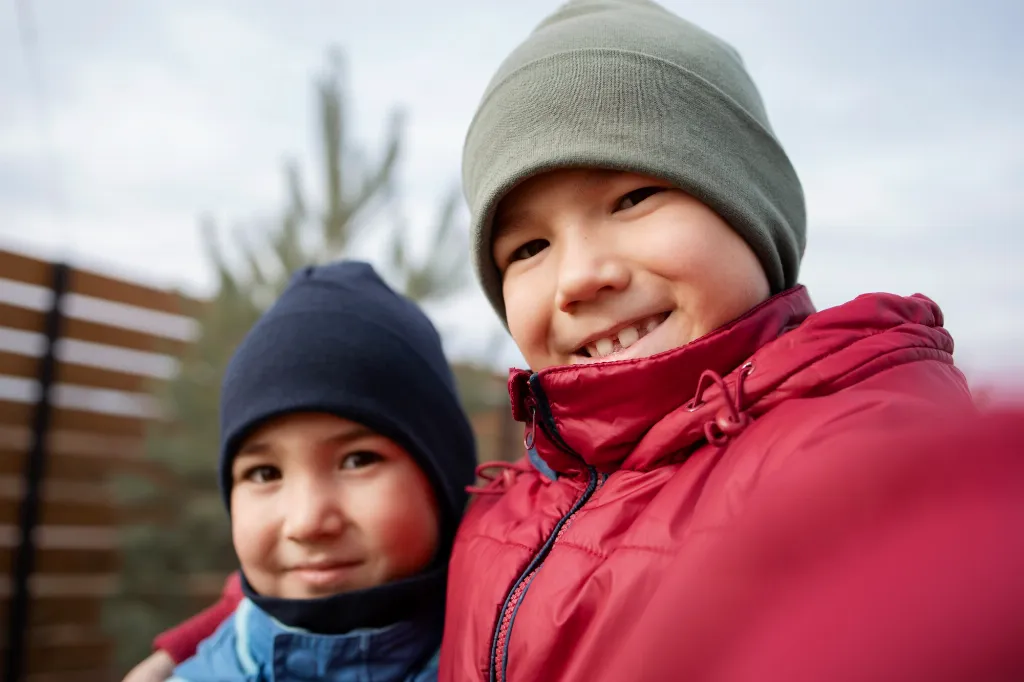
 Keeping children safe in cold weather takes clear rules, easy routines, and good teamwork. This short guide helps Idaho child care directors and providers decide when it is too cold to be outside and what to do instead. Use simple checks so your #children stay warm, healthy, and ready to learn. Remember: state requirements vary - check your state licensing agency.
For practical tools and printable charts, start with the ChildCareEd weather guidance and templates like the What Temperature Is Too Cold for Outdoor Play in Child Care? and the Child Care Weather Watch Guidelines.
What do Idaho daycare rules say about indoor and outdoor temperatures?
Idaho licensing text does not always list one single number for "too cold." Many states follow a mix of common-sense rules and national standards. Use these quick steps to align your program with safe practice and with any Idaho rules you find in your licensing handbook: state requirements vary - check your state licensing agency.
- 🔎 Check state licensing first. If Idaho lists temperature rules, follow them and record compliance. If not, use national guidance such as Caring for Our Children as your baseline.
- 📋 Make a short written policy: where thermometers go, who records readings, and the actions for cold-weather cutoffs.
- 📍 Place a classroom thermometer about 3 feet above the floor, away from vents and direct sun, and log temps at arrival, before nap, and before outdoor time (this is a common best practice used by many child care guides like the Illinois temperature guide).
- 🧾 Keep records of HVAC maintenance, temperature logs, and any incidents so you can show your plan at inspection.
How cold is too cold for outdoor play in daycare?
There is no single number that fits every program. Use these facts and a simple decision chart to protect children:
- 🌬️ Wind chill matters more than air temp. Use wind chill charts when the wind is strong. The Canadian and occupational guides explain wind-chill effects well (CCOHS Cold Environments).
- ❄️ Example cutoffs used by many programs:
- Wind chill below single digits (°F): shorten outdoor play.
- Wind chill at or below about -15°F: avoid outdoor play (some state guidance uses this as a high-risk marker).
- 💧 Wet clothing, rain, or snow lowers tolerance—bring children inside faster if clothes get wet.
- 👶 Consider child factors: infants, toddlers, or children with medical needs should have more protective limits and more frequent warm-up breaks (CDC Outdoor Play and Safety).
- 🔗 For a simple staff tool, post and use a weather chart like the one from ChildCareEd: How to Use a Child Care Weather Chart.
How should staff watch the weather and decide each day?
Make watching the weather a routine. Use a posted chart and numbered steps so everyone makes the same decision.
- ⏱️ Do a 2–5 minute weather check before every outdoor block. Check:
- Temperature and wind chill
- Wind speed and rain/snow
- Air quality (AQI) or smoke
- Playground surface (ice, puddles, hot slides)
- 📌 Use a traffic-light plan:
- 🟢 Green = Go (safe temps, good AQI)
- 🟡 Yellow = Adjust (shorten time, add warm-up breaks or shade)
- 🔴 Red = Stay inside (lightning, extreme wind chill, or unhealthy AQI)
- 👣 Walk the play area fast to spot wet gear, icy surfaces, or dangerous equipment. ChildCareEd’s Weather Watch Guidelines give a ready checklist.
- 📲 Assign one staff member each block to update the chart and call the decision—this avoids mixed messages and keeps supervision steady.
Common mistakes to avoid:
- ❌ Relying only on the thermostat—use a room thermometer and log readings.
- ❌ Skipping mid-day checks—weather and AQI can change fast; re-check before the afternoon block.
- ❌ No spare dry clothes—keep an emergency bag with dry socks, mittens, and hats.
What steps prevent cold injuries and what do we do in an emergency?
Preventing frostbite and hypothermia is simple when staff follow clear routines.
- 🧣 Dress for safety:
- Layer clothing: base (wicking), middle (insulation), outer (wind/water proof)
- Cover head, hands, and feet—these lose heat fastest
- Use waterproof boots and change wet clothes quickly
- 🔥 Limit exposure:
- Shorten outdoor time in strong wind or very low wind chill
- Plan warm-up breaks every 15–30 minutes as needed
- 🧰 Be prepared:
- Keep spare clothing, blankets, warm drinks (not hot), and a warm space ready
- Train staff in pediatric first aid and cooling/warming steps
- 🚨 Emergency signs & actions:
- Watch for frostbite: numb, waxy, or pale skin—move child indoors, warm area gently, seek medical care (Red Cross: Frostbite & Hypothermia).
- Watch for hypothermia: shivering, slurred speech, drowsiness—call 911, warm the child slowly, and remove wet clothes.
Follow national standards like Caring for Our Children and the practical ChildCareEd cold-weather resources (Weather Safety in Child Care) when you write your center policy.
Conclusion
1) There is no single "Idaho number" that fits every center. Instead, build a short written plan, post a weather chart, and use wind chill, wetness, and child factors to guide choices. 2) Train staff on the traffic-light decision plan, layering and warm-up rules, and emergency steps so everyone acts the same way. 3) Keep records of temperature logs, HVAC calls, and any incidents for inspections. If your center runs in-person trainings or staff meetings, adopt a clear inclement weather and emergency-closing policy—see ChildCareEd's inclement weather & emergency closing policy for a sample policy you can adapt to your program.
Quick checklist to start today:
- 📌 Post a weather chart by each exit and assign a daily checker (ChildCareEd Weather Chart).
- 🧰 Keep an emergency bag with dry clothes, hats, and blankets.
- 👩🏫 Run a 5-minute drill so staff practice moving children inside quickly and safely.
FAQ:
- Q: Who decides to end outdoor play? A: The director or the staff person assigned to the posted chart for that block.
- Q: How often record classroom temps? A: At least 3 times daily—arrival, before nap, before outdoor time.
- Q: When to call 911 for cold-related illness? A: If a child is very drowsy, confused, has slurred speech, or loses consciousness, call 911 right away.
- Q: Where to get printable charts and guides? A: ChildCareEd resources linked above and national sources like the CDC and Red Cross.
Thank you for protecting children. Your clear plan, regular checks, and calm staff routines keep every day safer and more joyful for the children in your care. Keep your focus on #temperature, #safety, #children, #outdoorplay, and #staff so cold days stay healthy and fun.
- Moving About the Classroom: Effective Transitions for Everyday
- Professional Presence in Early Childhood
- Teach with Respect!
- Injury Prevention: Their Safety Is In Your Hands
- Pediatric RSV First Aid & CPR/AED
- How To Keep A Healthy Class: Six Tips for Germ Control
- Super Special School Agers
- Creating Environments that Nurture Growth and Community
- Texas Director Credential
- Supporting Families and Caregivers in Language and Literacy
- Que es Título 22 en California?
- ¿Cómo solicito la licencia para una guardería en California?
- Regulaciones de Licenciamiento de Cuidado Infantil en California para Centros y Hogares de Cuidado Infantil Familiar
- Lista para Guardería en Casa en Illinois: Cómo Iniciar una Guardería en el Hogar
- Lista para Guardería en Casa en Texas: Cómo Iniciar una Guardería en el Hogar
- Cómo Trabajar en el Cuidado Infantil en California: Requisitos y Pasos
- Capacitación Previa al Servicio para Proveedores de Cuidado Infantil en Nevada
- Safe Temperature Regulations in Daycare: Wisconsin Rules for Child Care Providers
- Safe Temperature Regulations in Daycare: Virginia Rules for Child Care Providers
- Safe Temperature Regulations in Daycare: Georgia Rules for Child Care Providers
- Safe Temperature Regulations in Daycare: Texas Rules for Child Care Providers
- Safe Temperature Regulations in Daycare: Illinois Rules for Child Care Providers
- Safe Temperature Regulations in Daycare: Nevada Rules for Child Care Providers
- Daycare Temperature Regulations in Alaska: How Cold Is Too Cold?
- Daycare Temperature Regulations in Idaho: How Cold Is Too Cold?
- Daycare Temperature Regulations in Utah: How Hot or Cold Is Too Much?
- Daycare Temperature Regulations in Oregon: What Providers Should Know
- Daycare Temperature Regulations in Washington: What Providers Should Know
- Idaho Daycare Center Standards: What Providers Need to Know
- How Can Child Care Programs Keep Young Children Safe in Cold Weather?
