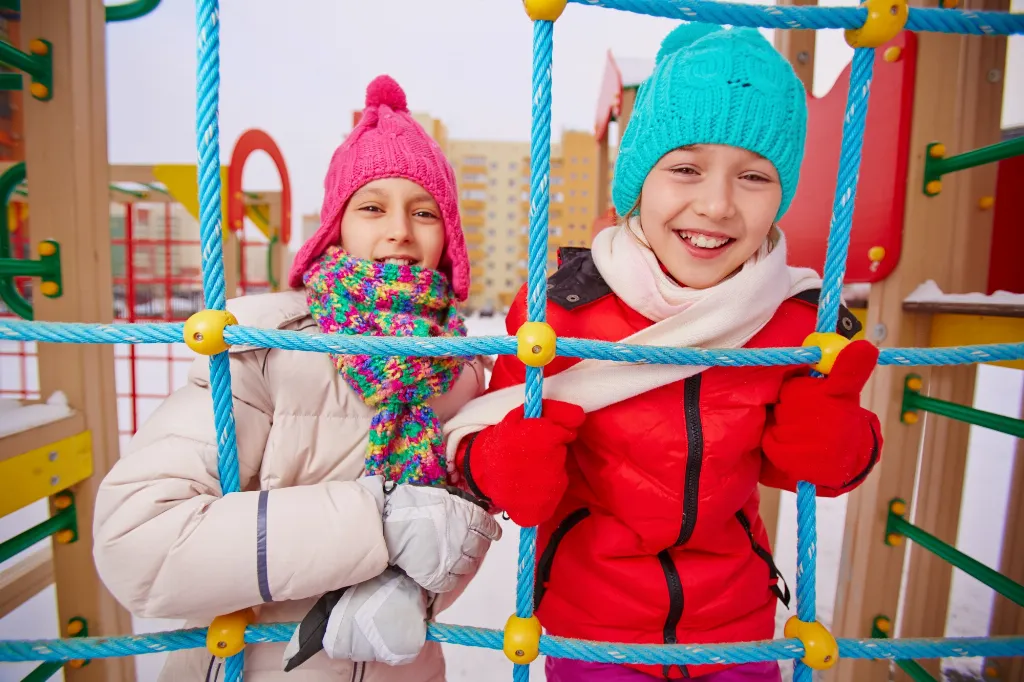
 Outdoor play helps children move, learn, and feel happy. But cold weather can make play unsafe if we don't plan. This article helps child care leaders decide when it is too cold to go outside and what to do when you do. You will find clear steps, tools, and simple rules you can use with staff and families. Remember: state requirements vary - check your state licensing agency.
How cold is too cold for outdoor play?
There is no single number for every program. But some clear guides help you decide:
- Watch wind chill, not just the air temperature. Wind can make a mild day feel dangerous. The OregonLive report notes frostbite can happen fast in strong wind chill.
- Use local health guidance. For example, the Minnesota health guidance points out that conditions become risky when wind chill reaches very low values (they use wind chill at or below -15°F as a marker for significant risk) and that extreme heat has its own limits (MN Dept. of Health).
- Follow your program policy and national standards. The national manual Caring for Our Children gives safety-focused guidance that helps programs set rules for cold weather.
Many programs use rules like these: if wind chill is below single digits (or a state rule says so), shorten outdoor time or move indoors. Use your local weather tools and your judgment. Keep a daily weather check routine and a posted weather chart like the one from ChildCareEd Buy Now $0.00.
This helps staff make consistent choices and protect children during #outdoorplay. Also watch the child: a toddler or a child with health needs may need to come inside sooner. #coldweather #safety #children #clothing
What factors should we check besides the thermometer?
Temperature alone does not tell the whole story. Check these key factors every time before you decide:
Wind chill — how cold it actually feels. Strong wind can speed frostbite and hypothermia.
Wetness — rain, sleet, or wet clothes cool a child quickly. Wet kids need fast warm-up and dry clothes.
Surface temperature — metal slides, plastic, or pavement can be biting cold or icy.
Child factors — age, health, mobility, and if the child has special needs or asthma.
Activity level — quiet play lowers body heat faster than running and climbing.
Air quality and storms — smoke, lightning, heavy snow, or blizzard conditions mean stay inside.
Use local and national tools to check conditions. The CDC offers broad outdoor safety tips. ChildCareEd country-specific posts (like California and Texas) show how programs weigh wind, fog, smoke, and sun when planning outdoor time.
Also use the simple weather-chart tool from ChildCareEd Buy Now $0.00 to post a daily decision. This helps staff apply consistent rules and reduces guesswork.
How do we decide and make a clear cold-weather outdoor plan?
Create a short, visible plan that staff can follow without pausing to think. Here are steps to build that plan:
Set clear temperature and wind-chill cutoffs. Example: use a traffic-light rule—green = go, yellow = shorten and watch, red = indoors. ChildCareEd explains this simple plan in their weather safety posts (Weather Safety in Child Care).
Post a weather chart by the exit so everyone sees it before each outdoor time. Use the printable chart from ChildCareEd Buy Now $0.00.
Train staff on quick checks: clothing, wetness, wind, and how often to do headcounts while outside.
Plan warm-up breaks and a clear signal to come inside (e.g., whistle). Keep spare dry clothes and warm-up spots ready.
Include a step for health needs and parent contacts for children who need extra care.
Common mistakes and how to avoid them:
🔴 Skipping the daily weather check — fix: add it to the morning routine.
🟡 Not having spare dry clothes — fix: keep an emergency bag with extra socks, mittens, and jackets.
⚠️ Letting children stay in wet clothes too long — fix: warm-up breaks every 15–30 minutes as needed.
❌ No written rule for wind chill — fix: add a clear wind-chill cutoff and post it.
Also keep your emergency plan up to date. A sample plan is available from ChildCareEd Buy Now $0.00. And again, state requirements vary - check your state licensing agency when you write rules for your program.
What can staff do to keep children warm and safe during cold outdoor play?
Good clothing and smart supervision keep cold play safe. Follow these practical steps:
Dress in layers: base (wicking), middle (insulation), outer (wind/water proof). The REI guide explains layering for kids in easy steps (REI).
Protect extremities: hats, mittens, warm socks, and waterproof boots. Wet hands and feet lose heat fastest.
Schedule warm-up breaks: bring children inside or to a sheltered spot every 20–30 minutes when it is very cold or windy.
Choose calmer activities: walking, nature hunts, or sensory exploration instead of long running games.
Watch children often: look for shivering, slow responses, pale or red skin, or complaints of numbness.
Have supplies ready: extra clothing, heated indoor space, blankets, and warm drinks (not too hot).
Teach children simple safety rules: hands in pockets when standing still, tell an adult if fingers feel numb.
If you see signs of frostbite (white or waxy skin) or hypothermia (very sleepy, slurred speech), act fast: get the child indoors, remove wet clothing, warm them gradually, and call emergency services if needed. The Red Cross winter guidance and medical guidance in national standards can help staff know what to do next.
Summary
Deciding when it is too cold for outdoor play is a mix of numbers and judgment. Use wind chill and wetness, check local guidance, and post a simple weather chart so staff make consistent calls.
Dress children in layers, give frequent warm-up breaks, and keep spare dry gear on hand. Use tools from ChildCareEd Buy Now $0.00, follow national standards like Caring for Our Children, and remember: state requirements vary - check your state licensing agency. With clear rules and training, cold-weather outdoor play can be safe, healthy, and fun for kids and staff alike.
- Creating the Natural Outdoor Classroom
- CDA Family Child Care Credential
- 1,2,3, Eyes on Me: Classroom Safety
- Open Ears: Listening in Child Care
- 24 Hour Texas Pre-Service
- Creating Environments that Nurture Growth and Community
- Role of Play in Learning
- Texas Director Credential
- Family Child Care: Building, Premises, and Outdoor Safety
- Mindful Supervision: Balancing Safety & Independence in Montessori
- 😫🧸 ¿Qué hacer cuando un bebé no quiere dormir la siesta en el aula?
- ❄️ ¿Qué actividades al aire libre funcionan bien para los niños de Illinois en cada estación? 🌷🍂
- Que es Título 22 en California?
- Regulaciones de Licenciamiento de Cuidado Infantil en California para Centros y Hogares de Cuidado Infantil Familiar
- Consejos de Supervisión Activa para Salones de Preescolar y el Juego al Aire Libre
- Cómo Trabajar en el Cuidado Infantil en California: Requisitos y Pasos
- Safe Temperature Regulations in Daycare: North Carolina Rules for Child Care Providers
- Safe Temperature Regulations in Daycare: Georgia Rules for Child Care Providers
- Safe Temperature Regulations in Daycare: Illinois Rules for Child Care Providers
- What are Oklahoma's safe temperature rules for daycares and how do we follow them?
- What Are Pennsylvania's Rules for Safe Daycare Temperatures and How Do We Follow Them?
- What are Michigan's rules and best practices for safe daycare temperatures?
- What Are Florida's Safe Temperature Rules for Daycare Providers?
- Daycare Temperature Regulations in Alaska: How Cold Is Too Cold?
- Daycare Temperature Regulations in Idaho: How Cold Is Too Cold?
- Daycare Temperature Regulations in Utah: How Hot or Cold Is Too Much?
- Daycare Temperature Regulations in Washington: What Providers Should Know
- How Can Child Care Programs Keep Young Children Safe in Cold Weather?
- Cómo Planificar Actividades al Aire Libre Seguras Durante el Calor y la Mala Calidad del Aire
- Daycare Outdoor Weather Safety: Temperature, Heat Index, and Playtime
