A child changes cat to bat and suddenly sees how a tiny sound-and-letter shift creates a new word—a small move with meaningful reading practice built in. For a deeper foundation in early literacy, explore ChildCareEd’s Science of Reading Foundations in the Pre-K Classroom Buy Now $16.00, which covers phonological awareness, alphabet knowledge, vocabulary, and other foundational skills. Pair that learning with the Language and Literacy Foundations in Pre-K  Buy Now $16.00 course for practical ways to strengthen children’s communication and literacy through everyday experiences.
Why does changing one letter help developing readers?
Changing one letter at a time turns a word into a small, visible puzzle. Children must listen closely to the word, identify which sound is changing, connect that sound to a letter, and blend the letters again to read the new word. A sequence such as cat → bat → bag → bug asks learners to notice beginning, ending, and vowel sounds rather than relying on a picture or guessing from context.
This kind of practice connects phonemic awareness—the ability to hear and manipulate speech sounds—with phonics, or the relationship between sounds and written symbols. The bridge matters: children need to attend to sounds in spoken words and learn how those sounds are represented in print. Massachusetts’ guidance on phonics and decoding describes these code-based skills as part of fluent word reading, alongside phonological awareness and automatic word recognition.
Word ladders also make children active problem-solvers. Instead of memorizing a list, they compare successive words and explain what changed. That deliberate attention helps build flexible #reading habits and gives educators a quick window into what learners understand—and where they may need a little more modeling.
How do word ladders develop sound awareness and phonics?
Each rung in a word ladder can focus attention on a specific sound manipulation. A teacher might say, “Change the first sound in fan to /m/,” prompting children to say man. Later, children can change a middle vowel or final consonant. These tasks invite learners to isolate, substitute, and blend phonemes. Beginning with oral responses and then adding printed letters lets providers adjust the level of support.
For learners who are not ready to work with written words, use counters, buttons, or sound boxes. Say a word slowly and have children move one counter for each sound; then ask them to replace the counter representing the sound that changes. When they are ready, bring in letter tiles or write the word, making the sound-to-symbol connection explicit. This progression reflects guidance from Keys to Literacy on phoneme and letter-sound ladders.
- Model the first example aloud: say the word, stretch its sounds, and identify the target sound.
- Ask children to name the changed sound before they choose or write a letter.
- Have learners blend the new spelling and read the whole word, not just name the changed letter.
- Offer specific, encouraging feedback: “You changed the middle vowel, so the word now says sit.”
Short, well-supported turns are often more useful than rushing through a long chain. An engaging printable such as Make Words from Thanksgiving Words Buy Now $2.49 can provide letter-building practice for kindergarten and grades 1–2.
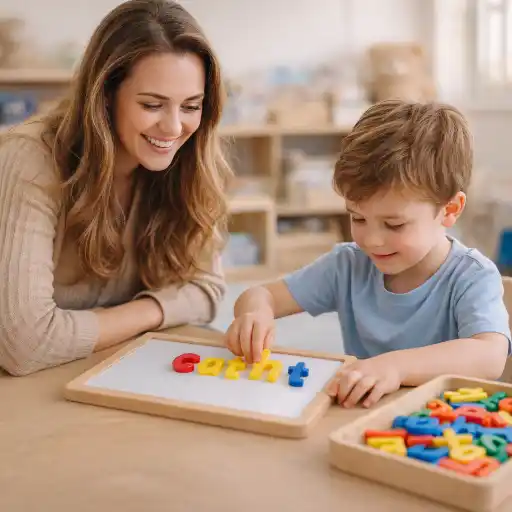
How does this exercise support spelling and vocabulary?
Reading a word involves translating print into speech; spelling asks children to move in the other direction. To spell a new word, a learner listens to it, segments it into sounds, and selects letters that represent those sounds. A one-letter change makes that process concrete: children can see that altering one sound may require changing one letter, then test whether the result is a real word.
Word ladders can also strengthen awareness of spelling patterns. In a chain such as cat, bat, hat, mat, the shared -at pattern stays stable while the first letter changes. In another chain, changing a vowel may alter the word family. Discussing what stays the same and what changes helps children attend to the whole spelling rather than just its first letter. The Sadlier overview of word building and word ladders notes that word-building activities invite children to analyze how word parts relate and combine.
Meaning is essential, too. A puzzle clue can introduce or reinforce the meaning of each new word, but children should have a chance to explain it or use it in a sentence. If a ladder produces an unfamiliar word, pause to discuss its meaning, show an object or image when helpful, and connect it to a familiar experience. This helps make #vocabulary learning purposeful rather than a race to finish the puzzle.
How can providers make word ladders effective and inclusive?
Use word ladders as a brief, intentional practice—not as a replacement for a balanced literacy program. Select words that match the letter-sound relationships children have been taught, and move from simpler to more complex patterns. Some learners may begin with three-sound words and initial consonants; others may be ready for medial vowels, blends, or digraphs. Adjust the chain so every child can participate meaningfully.
Try this adaptable routine:
- 🧩 Start with a familiar word and explain the clue or meaning of the next word.
- Say both words aloud; ask children to listen for the sound that changes.
- Use counters or letter tiles to show the change, then have children read the new word.
- Invite children to describe the word or use it in a sentence before moving on.
- Finish by reading the full chain together and noticing its spelling pattern.
Keep the atmosphere curious and low-pressure. If a child makes an unexpected word, affirm the effort, then guide them to compare the sounds and spellings with the clue. For children learning English, preview unfamiliar vocabulary and invite connections to words they know in other languages; the sound and spelling systems may differ, so offer clear models without treating home-language knowledge as a barrier. Word ladders work well in small groups, literacy centers, or brief teacher-led practice, with prompts and materials adapted to each learner.
What common pitfalls should educators avoid?
A common pitfall is treating the task as a letter hunt: a child swaps a letter but does not say, blend, or understand the new word. Keep the focus on the full sequence—hear the word, identify the target sound, map it to a letter, read the result, and discuss meaning. The goal is to connect sound, spelling, and language, not simply to complete every rung quickly.
Another challenge is choosing words that require sound-spelling patterns children have not yet learned. A ladder that jumps from a familiar short-vowel word to an advanced spelling pattern can create frustration rather than productive challenge. Plan from the skills already taught, model unfamiliar steps, and reduce the number of rungs when needed. Systematic, explicit phonics teaching is most useful when learners have opportunities to apply it in reading and writing, as explained in Reading Rockets’ overview of phonics instruction.
Finally, avoid using one activity as a measure of a child’s overall reading ability. Observe which sounds the child can identify, whether they blend accurately, and what support helps. If a learner repeatedly struggles, document specific observations and coordinate with families and appropriate specialists through your program’s procedures. Keep practice encouraging and brief; confidence and thoughtful feedback help children persist.
Conclusion: What should providers remember about one-letter changes?
Why can changing one letter be such a powerful early reading exercise? Because a simple word ladder asks children to listen closely, manipulate phonemes, connect sounds with letters, read the new spelling, and consider its meaning. Repeated, well-sequenced practice can support phonemic awareness, spelling, decoding, and vocabulary while giving educators useful insight into children’s developing skills.
Begin with familiar words and one clear sound change. Model the process, let children say and read each new word, and invite them to explain what it means. Then use their responses to decide whether to repeat, add scaffolding, or introduce a slightly more challenging pattern. Word ladders are one practical part of broader literacy instruction that also includes conversation, read-alouds, writing, and meaningful reading experiences. For related classroom ideas, see ChildCareEd’s article on phonological awareness in early childhood education. As always, state requirements vary - check your state licensing agency.
Explore five relevant ChildCareEd courses
- Science of Reading Foundations in the Pre-K Classroom
- Language and Literacy Foundations in Pre-K
- What Makes Me Special: An Overview of Autism and ADHD
- Setting the Stage: Story Time
- Reading Aloud and Storytelling
- Language Development in School Age
- Self-Regulation & Change: Helping Children Cope
- Texas Director Credential Renewal
- Letter & Number Planning in Child Care
- CDA Certification en Español: Recursos y Consejos para Educadores Bilingües
- 10 Ejemplos de Cómo la Cultura Influye en el Desarrollo Infantil
- How can child care providers use the science of reading to boost early literacy in New York?
- Celebrando la amistad en el cuidado infantil durante el Día de los Mejores Amigos
- Cómo simplificar la capacitación para sus empleados de daycare
- What simple early literacy activities really work for preschoolers?
- How can preschool programs build early literacy every day?
- What simple early literacy activities really help children learn?
- How can North Dakota child care programs lay reading foundations the right way?
- How can New York child care providers use the science of reading to boost early literacy?
- How can child care programs build strong readers before kindergarten?
- Why Do Predictable Books Help Preschoolers Feel Like Readers?
- How Can Child Care Providers Create Print-Rich Early Childhood Environments?
- How Can Teachers Build Early Literacy Without Screens or Worksheets?
- How Can Printable Books Help Preschoolers Fall in Love With Reading?
- How Can Child Care Providers Teach Less-Frequent Letters Without Relying on Worksheets Alone?
- How Can Holiday Word Games Strengthen Visual Scanning and Spelling?
- Is a Child Ready for Letter and Number Tracing?
- Why Can Changing One Letter Be a Powerful Early Reading Exercise?
