Young children learn most social and emotional skills through short, repeated experiences that are predictable, concrete, and supported by adults. This article gives child care providers and directors a practical playbook: daily routines, micro-activities, and team practices you can introduce this week to strengthen #empathy, #selfregulation, #resilience, #routines, and #mindfulness across your program. Throughout the article you’ll find direct links to classroom-ready tools and evidence-informed guidance on teaching empathy and teaching SEL and emotional regulation.
Why it matters:
1) Children with early skills in emotion language, calming strategies, and perspective-taking are safer, more engaged learners and better peer partners — outcomes supported by CSEFEL briefs on routines and self-management (What Works Brief: Routines, What Works Brief: Self-Management).
2) Small, repeated classroom moments — 1–5 minutes each — create durable change when staff are consistent and collaborate with families and consultants. For trauma- and equity-informed framing, see ChildCareEd’s piece on trauma-informed early education and the CDC’s ACEs prevention guidance (CDC ACEs strategy).
What daily routines build empathy in preschoolers?
Use short, repeatable moments so noticing others becomes routine. Try these numbered practices (each is 1–10 minutes):
- 😊 Morning feelings check-in: At circle time, ask 1–2 children to show a face or pick a feeling card. Validate: “I see you feel excited — that makes sense.” See scripts in ChildCareEd’s teaching empathy.
- 📚 Story pause and perspective prompt: Read a short book and pause: “How do you think she feels? What could a friend do?” Books are low-pressure practice for perspective-taking (examples).
- 🧸 Play-time noticing: Use short adult narration during block or dramatic play: “Maya looks sad; I wonder how we can help.” This models empathy language in context.
- 🎖️ Rotating helper jobs: Give daily social roles (greeter, materials passer). Rotate so every child practices noticing and helping peers.
- 🌟 Kindness rituals: Quick recognitions (1–2 sentences) or a kindness wall that records small acts — celebrate effort, not perfection.
Why these work: naming feelings builds emotional vocabulary, stories practice perspective-taking, and helper routines make caring visible and habitual (see ChildCareEd’s practical routines guidance).
Which short activities strengthen self-regulation inside routines?
Design brief, scaffolded activities that teach attention control, impulse control, and calming responses. Use the following numbered assortment each day:
- 🟢 Transition games (1–3 minutes): Red Light/Green Light or Freeze Dance to rehearse stopping and waiting. These embed executive control in play (Emotions in Motion).
- 😮💨 Micro-breath breaks (30–90 seconds): Balloon breaths, five-finger breathing or "1-2-3 breathe" at predictable moments (before snacks, after outdoor play).
- 🔢 Self-monitoring charts (visual): Use a simple chart so older preschoolers can mark attempts (thumbs-up) for following routines — a CSEFEL self-management tool (self-management brief).
- 🧩 Role-play quick repair scripts: Practice one-line repairs like “I’m sorry. Can I try again?” with puppets so children rehearse responses before conflict.
- 🧠 Executive-function stations: Short choice-based centers with one clear goal (e.g., build a tower together then clean up) to practice planning and sustained attention.
Implementation tips:
- 🔁 Repeat the same short phrase and cue each day so children learn the pattern (Connect → Calm → Coach) — see taming big emotions.
- 📏 Keep expectations developmentally appropriate; use visual supports and timers for predictability (CSEFEL routines guidance).
How can mindfulness and playful activities build resilience and coping?
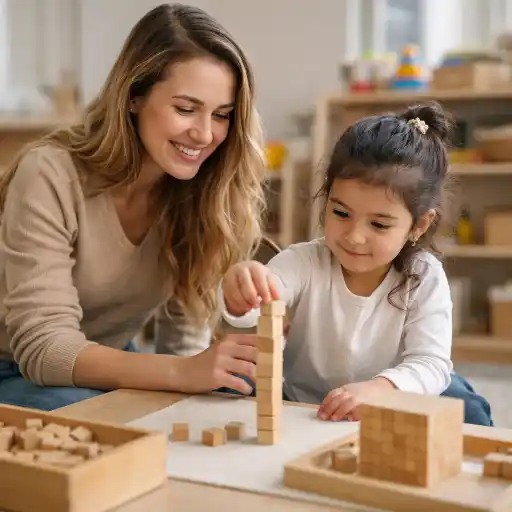
Mindfulness practices adapted for young children strengthen attention, reduce stress, and give concrete tools they can use under pressure. Evidence from classroom studies points to measurable gains in attention and self-control when brief practices are repeated (emotion exploration study) and larger program reviews support mindfulness-based SEL for improved regulation (Inner Explorer research).
For programs seeking deeper staff training and evidence-informed strategies to build resilience across classrooms and families, consider program-level courses and materials such as Building Childhood Resilience training and resources that focus on supportive environments and trauma-informed practices.
Try these numbered, play-friendly practices (1–5 minutes each):
- 🐻 Breathing Buddies: Children lie down with a stuffed animal on their belly and watch it rise/fall for 60–90 seconds.
- 🫧 Bubble Breaths: Blow bubbles slowly as a visual cue for long exhalations; turn it into a counting game.
- 🌿 Sensory scavenger: A 2-minute nature hunt (smell, touch, color) to anchor attention and calm the nervous system (mindfulness in play).
- 🧘 Mini-yoga poses: Starfish stretch or turtle pose during transitions to release energy and refocus.
- 🧠 "Be the Pond" visualization: Short guided image that teaches feelings come and go.
Why it matters: regular, brief practices build physiological regulation that supports learning and resilience — valuable for children exposed to stress or ACEs (see CDC ACEs strategy and trauma-informed resources on ChildCareEd).
How can teams, families, and trauma-informed routines reinforce these skills and avoid common mistakes?
Team consistency and family partnership make a classroom strategy durable. Use numbered steps to coordinate action:
- 🤝 Team agreement: Pick 3 shared cues (feelings check-in, 1-minute breath, helper job) and train all staff to use the exact words and visuals. See system-level SEL training ideas at ChildCareEd SEL courses.
- 📣 Family briefings: Share one short home script and one praise-note example ("Today Lina helped a friend") so families repeat the same language at home (family-engagement tips).
- 🧾 Data and thresholds: Log frequency, triggers, and what helped. If meltdowns are frequent or safety is a concern, escalate to mental health consultants or early intervention — use ChildCareEd’s referral guidance and remember: state requirements vary - check your state licensing agency.
- ⚠️ Common mistakes to avoid:
- ❌ Teaching only during meltdowns → ✅ Practice when calm with games and stories.
- ❌ Long lectures or shame → ✅ One short sentence + two safe choices (e.g., "Hug or space?").
- ❌ Turning calm spaces into punishment → ✅ Teach the calm area as a voluntary skill spot and rehearse it.
- 👩🏫 Ongoing PD: Use short coaching cycles (observe → coach → try) and bite-sized courses like ChildCareEd’s modules to build staff confidence (Self-Regulation & Change course
 Buy Now $16.00).
Frequently asked questions
- Q: How long for a calm-corner visit? A: 2–5 minutes for a reset; longer only with staff nearby and a clear plan (ChildCareEd calm-corner guidance).
- Q: How soon will routines show change? A: Small signs in weeks; reliable change in months with daily repetition and team consistency.
- Q: How do we include children with developmental delays? A: Use visuals, shorter steps, repeated rehearsal, and partner with therapists/early intervention.
- Q: When should we refer for extra help? A: If safety is at risk, meltdowns are frequent/long, or usual tools don’t help after teams try consistent strategies for several weeks.
- Q: Where to find lesson plans and printables? A: ChildCareEd offers emotion-sorting packs, calm-down cards, and SEL lesson packs (links above).
Conclusion
Start small, be consistent, and celebrate effort. This week pick 2 routines (a 60‑second morning feelings check and a micro-breath before transitions), teach them with visuals, and share the same script with families. Use short games and mindfulness micro-practices to build #resilience, coach emotion language to grow #empathy, and set simple self-monitoring steps to strengthen #selfregulation. For practical handouts, scripts, and training, prioritize the ChildCareEd resources linked above and the CSEFEL briefs on routines and self-management.
You and your team are the most powerful supports children have. Small, repeated routines — practiced with warmth, predictability, and collaboration — create big lifelong skills.
- 45 Hour Child Growth and Development
- CDA Home Visitor Subject Area 3 Part 3 Birth to 5
- 45 Hour Preschool Methods and Materials
- Balancing Act: Schedules and Routines
- Pediatric RSV First Aid & CPR/AED
- The Best Promotion is Play
- Positive Attention: Interactions & Supervision for Infants & Toddlers
- Texas Director Credential
- Everyday Safety: Creating Healthy Environments
- Supporting Social Relationships Among Young Children
- National Grouch Day: Turning Grouches into Giggles, Teaching Kids about Handling Negative Emotions
- Exploring the Cognitive Benefits of Movement in Early Childhood Classrooms
- Hungry for Play: The Power of Play-Based Learning in Early Education
- Frosty Fun: Trauma-Informed Play for Resilient Young Learners
- Trauma-Informed Care: Why Your Classroom Isn’t Complete Without a Little Extra Empathy
- CDA Certification en Español: Recursos y Consejos para Educadores Bilingües
- ⏰ Cómo puedo facilitar las transiciones y las rutinas diarias en mi aula?
- Celebrando la amistad en el cuidado infantil durante el Día de los Mejores Amigos
- Which activities and routines best help children develop empathy, self-regulation, and resilience?
- What Are the Basics of Trauma-Informed Practice?
- How Do You Explain Ego to a Child Without Making It Sound Like a Bad Thing?
- How Can Child Care Providers Help New Families Transition into a Childcare Program?
- How Can Child Care Providers Help Children Develop Self-Control?
- When a Favorite Teacher Is Absent, How Can Child Care Providers Support Children Through the Change?
- Why Is Social-Emotional Learning at the Heart of 2026 Classrooms?
- How Can Child Care Providers Support Children’s Mental Wellness?
- How Can Child Care Providers Help Children Recover After They Make a Mistake?
