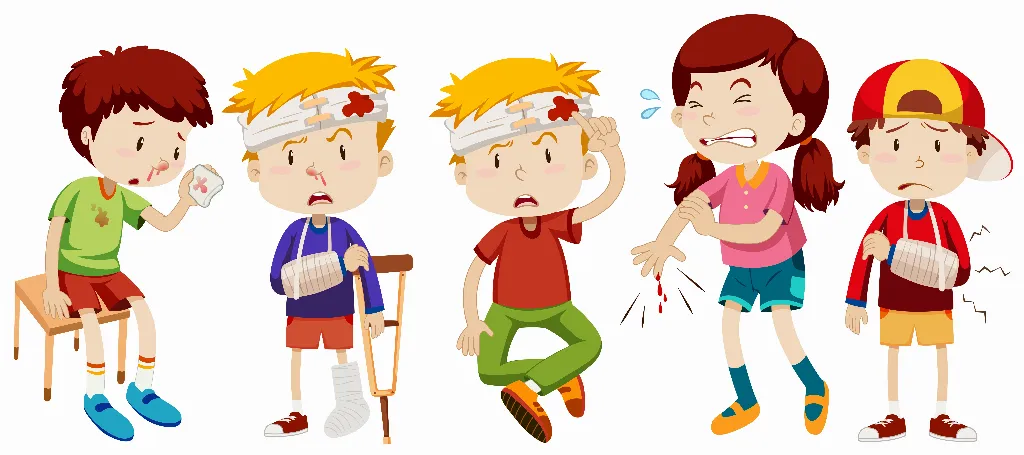
 Accidents and unexpected moments can happen in any child care program even with great supervision. When they do, families want two things: their child is safe and the program is honest and clear. This guide helps California child care leaders and staff know exactly what to write after an incident and when to call families. Strong #documentation builds trust, supports #safety, and helps you stay ready for licensing questions.
For a helpful resource on documentation habits, see ChildCareEd’s article Recordkeeping and Documentation Tips.
What should be in every child care incident report?
Start with the simple facts first. These details help anyone reading the report understand what happened quickly and correctly.
Include:
-
Child information: full name, age, classroom/group
-
Date and exact time: when it happened and when it ended
-
Location: classroom, playground, bathroom, hallway, field trip site
-
Who was there: staff names/titles and any witnesses
-
Who wrote the report: name and the time it was completed
-
What was happening right before: the activity (snack, outdoor play, transition)
Add helpful details only if they matter, like:
-
Weather (if outside)
-
Surface type (wood chips, concrete, rug)
-
Objects involved (toy, chair, door, playground step)
A template makes this easier and more consistent. Use ChildCareEd’s free Accident/Injury Report Template (Birth to Five) Buy Now $0.00
When should we write the report, and when do we call families or 911?
Write the report the same day (as soon as children are safe and supervised). Same-day notes are usually more accurate than “end of day” memory.
Call 911 right away if the child has emergency warning signs, like:
-
Trouble breathing, choking and cannot cough/speak
-
Heavy bleeding that won’t stop
-
Loss of consciousness, seizure, or severe head injury signs
-
Serious allergic reaction (swelling, breathing trouble)
-
Suspected broken bone with severe pain/deformity
(Your first aid/CPR training should guide these decisions.)
Call the family right away (do not wait for pickup) when:
-
EMS is called or the child is transported
-
The child needs medical care beyond basic first aid
-
There is a head injury with concerning symptoms (vomiting, unusual sleepiness, confusion)
-
The child has a visible injury likely to worry a parent (deep cut, significant swelling, face injury)
-
A behavior incident creates a safety plan change (example: early pickup, separation plan)
For minor bumps and small scrapes
Follow your policy (and what you promised families). Many programs still notify the same day, even if it’s brief. When in doubt, choose transparency.
Document the call:
-
Time of call/text
-
Who called
-
Who was reached (or voicemail left)
-
Short summary of what you shared
California licensing forms also highlight that parents should be notified quickly for certain events. For family child care homes, Form LIC 624B states to notify a child’s parent/authorized representative no later than the same business day for listed events affecting that child.
What should we write in the “description” so it stays clear and factual?
Think like a camera: what you saw and heard, in order.
Use:
-
Short sentences
-
A timeline
-
Exact words when helpful (quote the child)
Write:
-
What happened (step-by-step)
-
What staff did (and when)
-
What first aid was given
-
How the child looked/acted after
Good examples:
-
“At 10:12 a.m., child tripped while running toward the slide and fell onto knees.”
-
“Child said, ‘My knee hurts.’”
-
“Teacher cleaned scrape with water, applied bandage at 10:16 a.m.”
Avoid:
-
Opinions (“She was being dramatic.”)
-
Blame (“Another child attacked him.”)
-
Diagnoses (“concussion,” “sprain”) unless a medical professional said it
If video exists, you can write: “Camera footage available” (if your program policy allows), but don’t attach footage to the incident report unless licensing or legal guidance tells you to.
What actions should be documented step-by-step?
A strong report shows the care team responded calmly and correctly.
Include:
-
First aid provided (what + who + time)
-
Supervision plan (who stayed with injured child, who watched the group)
-
Family notification (time, method, outcome)
-
If EMS was called: time called and what prompted it
-
Outcome: returned to play, rested, picked up early, sent home, transported
California licensing forms for unusual incidents also include timelines for notifying licensing and submitting a written report. For example, LIC 624 instructions include: notify licensing by next working day and submit a written report within 7 days (and keep a copy in the file).
(Always confirm which form and timeline applies to your license type and situation.)
When is this more than an “incident report” and becomes mandated reporting?
Some situations are not just accidents. In California, staff are mandated reporters under the Child Abuse and Neglect Reporting Act (CANRA) (Penal Code §§ 11164–11174.3).
If you reasonably suspect abuse or neglect:
-
Report right away to the proper agency (follow your county process)
-
Do not investigate or try to “prove it”
-
Do not confront a possible abuser
-
Document: the concern, the time you reported, and who you spoke with
Also protect privacy:
-
Store reports securely
-
Share only with people who must know (director, licensing, required agencies)
What California licensing rules should directors keep in mind?
California facilities often use “unusual incident/injury” reporting for certain serious events.
Helpful reminders from California resources:
-
Child care licensees are responsible for submitting required reports to Community Care Licensing.
-
For family child care homes, Title 22 reporting requirements point to using LIC 624B or a letter with required details.
Also, Title 22 is a key part of California child care licensing expectations. If you want a plain-language overview, see ChildCareEd’s article:
Title 22
What tools and training help staff do this well?
Strong reporting is easier when staff feel confident about safety steps and legal duties.
Training courses:
-
Mandated Reporters: https://www.childcareed.com/courses-mandated-reporters.html
-
Responding to Emergencies: https://www.childcareed.com/courses-responding-to-emergencies.html
One more helpful resource:
Accident/Injury Child Care Form (all ages PDF)
Quick checklist staff can follow every time
Use this simple list during #incidentreport writing:
-
Child name, age/classroom, date, time, location
-
What you saw/heard (objective)
-
What staff did (timeline + first aid)
-
Calls made (family/911/director/licensing if needed)
-
Final outcome (returned to care, picked up, medical care)
Common mistakes to avoid:
-
Waiting too long to write it
-
Using opinion words instead of facts
-
Forgetting to log calls and times
-
Leaving out who supervised the group
You’re not trying to write a perfect story you’re trying to write clear facts that keep children safe and keep families informed. #California #childcare
