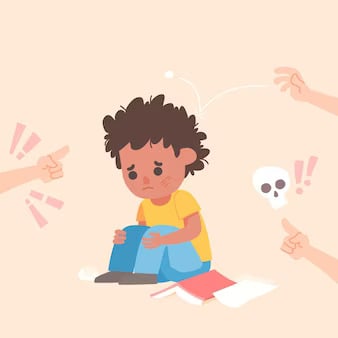
 Child care providers #play a very important role in keeping children #safe. In Maryland, providers are trusted adults who see children every day. This means you may notice signs of #abuse or #neglect before others do. Knowing how to prevent abuse and how to report concerns is part of your job—and it can protect a child’s life.
This article explains what child abuse and neglect are, how to prevent them, and what Maryland law requires you to do if you suspect a child is being harmed. The information is written in clear, simple #language to help all providers feel confident and prepared.
What Is Child Abuse and Neglect?
Child abuse and neglect happen when a child is harmed or not properly cared for by a #parent or caregiver.
Child abuse means someone hurts a child on purpose.
Child neglect means a child’s basic needs are not met.
There are several types you should know about:
-
Physical abuse: Hitting, shaking, burning, or causing injury
-
Emotional abuse: Yelling, threatening, or making a child feel worthless
-
Sexual abuse: Any sexual contact or behavior with a child
-
Neglect: Not providing enough food, clothing, shelter, medical care, or supervision. Learn more about childhood neglect, its forms, and how to identify and report it in early childhood settings.
Abuse and neglect can happen to children of #all-ages, backgrounds, and family types. Knowing the signs is the first step in prevention. Resources like this ChildCareEd handout can help:
👉 Signs of Abuse and Neglect: Mixed Ages Buy Now $0.00
Why Prevention Matters in Child Care
Preventing abuse and neglect helps children feel safe, secure, and ready to #learn. When children feel safe, they are more likely to grow #healthy and strong.
Child care programs can help prevent abuse by:
-
Creating safe and caring environments
-
Teaching children about body #safety and feelings
-
Building trusting relationships with families
-
Watching for #early warning signs
Strong prevention practices protect children and providers. They also support your program’s reputation and compliance with Maryland regulations.
How Child Care Providers Can Help Prevent Abuse
Prevention starts with daily actions. Small steps can make a big difference.
You can help prevent abuse by:
-
Always following supervision rules
-
Using positive guidance, not harsh discipline
-
Keeping clear boundaries with children
-
Making sure #classrooms are safe and well organized
-
Reporting safety concerns right away
Training is also key. Ongoing education helps providers stay informed and confident. These ChildCareEd courses are especially helpful:

Learning together as a team builds a #culture of safety. This is part of being a strong, professional provider. #ChildSafety #EarlyChildhoodEducation
What Are the Signs of Abuse and Neglect?
Signs are not always clear. One sign alone does not always mean abuse, but patterns are important.
Possible physical signs include:
-
Bruises, #burns, or injuries with no clear reason
-
Frequent injuries
-
Poor hygiene or clothing that does not fit the weather
Possible behavior signs include:
-
Fear of adults or going home
-
Extreme sadness, anger, or withdrawal
-
Aggressive behavior
-
Sudden changes in behavior
You may also notice signs in how a parent or caregiver acts, such as ignoring the child’s needs or using harsh punishment.
This ChildCareEd resource is helpful for reviewing signs across ages:
👉 Abuse and Neglect: Signs and Symptoms (All Ages) Buy Now $0.00
Are Child Care Providers Mandated Reporters in Maryland?
Yes. In Maryland, child care providers are mandated reporters. This means you are required by law to report suspected child abuse or neglect.
You do not need proof. You only need a reasonable suspicion.
Important things to remember:
-
You must report immediately
-
You should not investigate on your own
-
You cannot be punished for making a good-faith report
-
Reports are confidential
Failing to report can #lead to legal consequences and puts children at risk.
How Do You Report Child Abuse or Neglect in Maryland?
If you suspect abuse or neglect, act right away.
Follow these steps:
-
Call Child Protective Services (CPS) in the local department of social services
-
For emergencies, call 911
-
-
Share clear facts
-
What you saw or heard
-
Dates, times, and concerns
-
-
Follow your program’s reporting policy
-
Document the report according to program rules
You do not need to tell the family you made a report. Your role is to protect the child, not to decide guilt.
Why Ongoing Training Is So Important
Training keeps information fresh and helps providers feel confident. It also helps programs meet licensing and professional #development requirements.
For providers working with young children, this course is a great option:
You can also learn more by reading this related ChildCareEd article:
👉 Understanding the Importance of Child Abuse and Neglect Training
Education helps protect children, families, and you. #MandatedReporter #MarylandChildCare
Stay Connected and Keep Learning
ChildCareEd supports child care professionals every step of the way. Following ChildCareEd on social media is a great way to get tips, reminders, and training updates.
👉 Follow ChildCareEd on Instagram for helpful videos and resources:
You can also connect on Facebook, Pinterest, TikTok, and X to stay informed and inspired. #ChildCareTraining
Final Thoughts
Preventing and reporting child abuse and neglect is one of the most important responsibilities of a child care provider in Maryland. By staying alert, following the law, and continuing your education, you help create safe places where children can grow and thrive.
Every report can make a difference. Every #safe-environment matters.
- Abuse and Neglect: Signs and Reporting
- Mandated Reporters
- 1-Hour Abuse and Neglect Training
- Health and Safety Orientation
- CDA Infants/Toddlers: Abuse and Neglect Reporting Requisites
- CDA Bridge Bundle: Family Child Care without Portfolio Review
- Recognizing and Reporting Child Abuse and Neglect
- Texas Director Credential
- Abuse and Neglect: Signs and Reporting
- Childhood Neglect
- Navigating the Licensing and Regulations for Your Daycare
- 🚨 Reporte Obligatorio en Nevada
- Capacitación en Salud y Seguridad Preventiva en Línea para Proveedores de Cuidado Infantil
- Capacitación en Línea con Certificado sobre Abuso y Negligencia
- Regulaciones de Licenciamiento de Cuidado Infantil en California para Centros y Hogares de Cuidado Infantil Familiar
- Cómo Trabajar en el Cuidado Infantil en California: Requisitos y Pasos
- Capacitación Previa al Servicio para Proveedores de Cuidado Infantil en Nevada
- How Can Child Care Staff Recognize Signs of Child Abuse and Neglect?
- How can Minnesota child care programs prevent and report child abuse?
- Why is Child Abuse and Neglect Training Important for Child Care Providers?
- How should child care providers recognize and report child abuse and neglect?
- How Can Child Care Providers Recognize and Report Signs of Abuse?
- How can childcare providers recognize and report child abuse and neglect?
- How Should Childcare Providers Recognize and Report Child Abuse and Neglect?
- Early Childhood Development Classes: Which Training Hours Do You Actually Need?
- Pre-Service Training for Child Care: What Must You Finish Before Your First Day?
- Who Needs Child Abuse and Neglect Training—and How Often Do You Have to Take It?
- How Can Child Care Providers Recognize and Report Suspected Child Abuse and Neglect?
- What Health and Safety Training Is Required for Child Care Providers?
