Keeping children safe is the top job for every childcare team. We use five key words often: #safety #health #emergency #supervision #policies. This short guide helps directors and providers know the most important rules, make clear plans, and train staff so you can protect children every day. Why it matters: Children learn best when they are safe. Simple, clear rules protect kids and help families trust your program. When staff know what to do, problems stay small and everyone stays calm. State requirements vary - check your state licensing agency.
1. What are the main rules and standards we must follow?
Start with national guidance and then meet your state rules. 1) Follow national standards like Caring for Our Children. 2) Check your state licensing rules and forms. state requirements vary - check your state licensing agency. For quick tools, see ChildCareEd’s overview What are the safety regulations.
- 📝 Keep written policies and share them with staff and families. Include illness rules, medication rules, safe sleep, and supervision guidance. See the Medication Administration Template Buy Now $0.00.
- 👥 Maintain correct staff-to-child ratios and do background checks. Use state background rules like those in your state FAQ.
- 🎓 Train staff in CPR, first aid, medication, safe sleep, and infection control. ChildCareEd training listings are here: Health and Safety Trainings Buy Now $0.00.
- 📄 Keep documents ready: emergency plans, immunization records, medication logs, drill records, and training files.
2. How do we write and practice emergency plans?
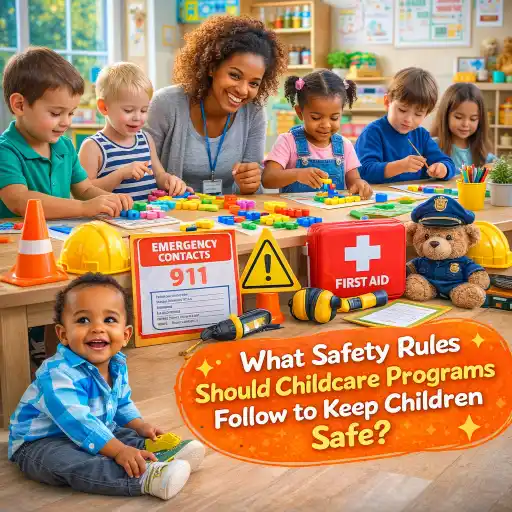
An emergency plan must be simple and numbered so staff act fast. Use ChildCareEd templates for ideas: emergency plan tips and the training Emergency and Disaster Preparedness Buy Now $0.00. Also review federal guidance from HHS on emergencies: Emergency Preparedness & Response. If your emergency plan includes relocating or temporarily closing a facility, consult guidance on relocating child care facilities during disasters to help plan alternate sites, transportation, and reunification procedures: guidance on relocating child care facilities during disasters.
- 🧭 List clear steps for events: fire, storm, lockdown, and missing child. Number each action so staff can follow quickly.
- 🚨 Design evacuation routes and a safe meeting spot. Note who calls 911 and who contacts families.
- 📦 Keep an emergency kit with medications, records, copies of contact lists, and first aid supplies. Store it where everyone can reach it.
- 🔁 Practice drills often and at different times. After every drill, write one or two improvements and fix them. ChildCareEd shows how to run and log drills in their guides.
- 🤝 Plan reunification steps with families and share them at enrollment. Keep emergency contact lists current and easy to find.
Why practice matters: drills make staff calm and sure. In a real event, calm adults help calm children. For more tools, see ChildCareEd’s emergency resources and templates linked above.
3. How should we handle health, medication, cleaning and documentation?
Follow the Five Rights for medicine: right child, right medicine, right dose, right time, right route. Use a Medication Administration Record and store meds locked. ChildCareEd offers a Medication Administration Template Buy Now $0.00 to use now.
- 🧾 Document immediately: record time, dose, who gave it, and any reaction. Keep logs where licensing inspectors can see them.
- 🔒 Store medicines safely and check expiration dates often.
- 🧼 Clean, sanitize, and disinfect correctly. Follow CDC cleaning guidance for ECE settings: How to Clean and Disinfect.
- 🎓 Train staff in illness prevention, allergy response, and first aid. ChildCareEd course list: training resources Buy Now $0.00.
Tip: Keep both paper and backed-up digital records. When a child is sick, follow your written sick policy and call parents quickly. State rules for records and health may differ—state requirements vary - check your state licensing agency.
4. How do we build everyday safety and avoid common mistakes?
Daily safety comes from habits. Use checklists, short staff huddles, and active supervision. ChildCareEd’s guides like 10 Actions to Create a Culture of Safety Buy Now $0.00 and Everyday safety tips are useful.
- ✅ Do a short safety walk each morning. Check gates, playgrounds, smoke alarms, and first aid supplies.
- 👀 Use active supervision: scan, count, and move. Teach staff to notice hot spots and move there. See Active Supervision ideas.
- 🔁 Have quick pre-shift huddles to share concerns and the day’s ratios.
- 📌 Post key rules where staff can see them and keep policies short and clear.
Common mistakes and how to avoid them: 1. Not writing policies down — fix: make a short handbook and share it. 2. Skipping drills — fix: schedule regular drills and log them. 3. Loose medication logs — fix: use standard MAR and train staff to sign each time. 4. Letting paperwork distract from supervision — fix: set times for paperwork away from child contact times.
Conclusion: What should we do next?
1) Make short, written policies for daily safety, medicine, safe sleep, and emergencies. 2) Train staff often and log the training. 3) Practice drills and checklists. 4) Use ChildCareEd tools for templates and courses: start here and browse training at Health and Safety Trainings Buy Now $0.00.
Quick FAQ:
- Q: Do we need a doctor’s note to change a baby’s sleep position? A: Yes. Only a signed medical order allows a different sleep plan. See Safe Sleep.
- Q: How often should we disinfect? A: Clean daily; disinfect when someone is sick or after body fluids. See CDC cleaning guidance: CDC.
- Q: Where to get training? A: Use ChildCareEd courses and local health partners: training list Buy Now $0.00.
- Q: Who checks our compliance? A: Your state licensing agency. state requirements vary - check your state licensing agency.
You are doing important work. Keep lists short, practice often, and lean on trusted resources. When your team knows the plan, children stay safer and families feel confident.
- Creating Safe & Healthy Child Care Environments
- How To Keep A Healthy Class: Six Tips for Germ Control
- Basic Health & Safety and Breastfeeding Awareness
- Administering Basic Health and Safety ONLINE
- Mastering Supervision: Keeping Children Safe in All Settings
- Pediatric RSV First Aid & CPR/AED
- 24 Hour Texas Pre-Service
- Family Child Care Health Essentials
- Texas Director Credential
- Shoo, Germs! Don't Bother Me!
- Focus on Health and Safety Training
- Recursos en Español sobre el Sueño Seguro del Bebé
- Daycare Center Requirements in North Carolina
- How can child care providers use simple health and safety best practices every day?
- What Is Daycare and How Does It Work?
- New Child Care Regulations in Georgia for 2026
- How do ChildCareEd's urban childcare courses help Michigan providers in high-density communities?
- How can childcare programs support farm families with flexible care in rural North Dakota?
- What are the safety regulations we must follow in childcare settings?
- What safety rules should childcare programs follow to keep children safe?
- How can child care programs meet licensing and compliance requirements?
- What are the basic child care safety standards we must follow?
- How can child care programs keep playgrounds safe every day?
- How can food safety training protect children in my child care program?
- What Does New York's Health Care Plan Requirement Mean for Your Program?
- How should Minnesota child care programs handle allergies and special diets?
- New Mexico Daycare Center Standards: What Providers Need to Know
- Oregon Daycare Center Standards: What Providers Need to Know
- MN Daycare Rules and Regulations 2026: Current Requirements and Upcoming Changes
- What Must Texas Child Care Programs Put in Writing for Safe Sleep?
