Keeping children safe is the top job in any childcare program. This article explains the rules and smart steps to follow. It helps directors and providers build a clear plan for daily safety, health checks, emergencies, and paperwork. State requirements vary - check your state licensing agency. You will see short lists, real steps, and links to trusted resources you can use right away. We use five key words often: #safety #health #emergency #supervision #policies.
What are the main rules and standards we must know?
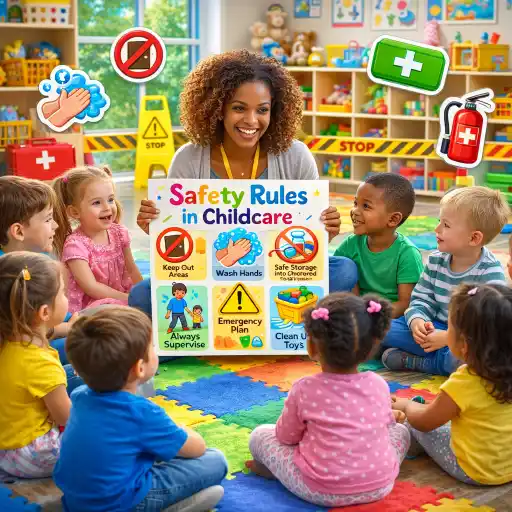
1. Know national guidance and use it to guide your program. Start with the national standards like Caring for Our Children and ChildCareEd guidance. These resources lay out health and safety basics for child care settings.
2. Meet state licensing rules. Each state has its own laws and checklists. Always remember: state requirements vary - check your state licensing agency.
3. Keep these written items ready for staff and families:
- 📝 Immunization and illness policies (when children must stay home).
- 💊 Medication rules with signed parent consent and logs. See Medication Administration guidance.
- 🚨 Emergency and evacuation plans and drill records. Use templates from ChildCareEd.
- 👥 Staffing, ratios, and supervision rules (who watches which kids). For ideas on active watching, review Active Supervision.
4. Train your staff. Offer regular trainings in CPR, first aid, medication, and safe sleep. ChildCareEd lists many health and safety courses Buy Now $0.00. For programs in cold climates, include training on first aid for frostbite and holiday-specific CPR techniques by reviewing our guide on first aid for frostbite and CPR techniques.
How do we make and practice an emergency plan?
2. Write clear steps for each event. Number the actions so staff can follow them fast. Include these parts:
- 🧭 Evacuation routes and a meeting spot.
- 🔐 Lockdown and shelter-in-place steps.
- 📞 Who calls 911 and who calls parents.
- 📦 Where the emergency kit and child records are kept.
3. Practice with drills. Do them often and at different times of day. After each drill, write what went well and what to improve. ChildCareEd explains how to run drills and log them in their guide.
4. Make family plans. Tell parents your reunification steps and how you will share news. Keep contact lists updated and easy to reach.
Doing small, clear steps makes big emergencies less scary. These steps help your team act fast and keep children safe. Remember, good drills build calm adults and calm children in real events.
How should we handle health, medication, and documentation?
2. Follow the Five Rights: right child, right medicine, right dose, right time, right route. Log each dose on a medication record (MAR) right after you give it.
- 🧾 Document immediately: time, amount, who gave it, and any child reaction.
- 🔒 Store meds locked and check expiry dates.
- 📂 Keep health files for each child in a safe place and back up digital copies.
3. Watch for signs of illness and follow your sick policy. Use guidance from ChildCareEd and the CDC safe sleep tips for infants. Teach staff to isolate a sick child calmly and call parents.
4. Train staff in CPR, first aid, and allergy response. Keep records of trainings and background checks. This paperwork proves you followed rules in a review.
How can we build everyday safety and avoid common mistakes?
Why it matters: A calm safety plan keeps children learning and families calm. When staff know the plan, they can stop small problems before they grow.
1. Create a safety checklist for daily use. Include playground checks, gate locks, smoke alarms, and first aid supplies. Use the playground checklist and the Choose Safe Places full checklist for ideas.
- ✅ Do short safety huddles before children arrive.
- 👀 Do active supervision: scan, count, and move to hot spots. See Active Supervision tips.
- 🚫 Don’t let paperwork distract during supervision times.
Common mistakes and how to avoid them:
- 🔸 Not writing policies down — fix: make a short handbook and share it.
- 🔸 Skipping drills — fix: schedule regular drills and log them.
- 🔸 Loose medication logs — fix: use a standard MAR and train staff to sign every time.
Final tips:
- Keep policies short and post key rules where staff can see them.
- Train often and use real examples from your site.
- Use trusted resources like ChildCareEd trainings and national guidance to stay current.
Conclusion
Follow clear rules for everyday care, emergencies, medicine, and play. Use simple lists, practice drills, and teach staff to watch actively. Keep good records and update them yearly. Use the links in this article for templates and training. When your team knows the plan, children stay safer and families feel trust. Remember: state requirements vary - check your state licensing agency.
More help: visit ChildCareEd for courses, templates, and posters that make safety work easier: childcareed.com.
1. Do a simple risk check. Walk through the building and outside play areas. List things that could go wrong: fire, storm, intruder, or power loss. Use the ChildCareEd emergency checklist to help.1. Use signed permission for all medicines. Never give a drug without a parent or doctor form. Keep the original label. See the full rules at Medication Administration guide.- 45 Hour Child Growth and Development
- Basic Health & Safety and Breastfeeding Awareness
- 45 Hour Preschool Methods and Materials
- Birth to Five CDA Credential with Portfolio Review
- Pediatric RSV First Aid & CPR/AED
- 45 Hour School Age Methods and Materials
- Texas Director Credential Renewal
- Texas Director Credential
- Getting Ready for the New School Year: Prioritizing Safety with First Aid and CPR Training
- How Can Childcare Educators Thrive in the Big Apple?
- CDA Certification en Español: Recursos y Consejos para Educadores Bilingües
- Daycare Training 101: Building a Safe, Fun, and Educational Environment
- How the Right Training Turns Child Care Workers into Rockstars
- Proporciones de Cuidado Infantil y Tamaños de Grupo por Edad en Maryland (Guía Rápida para Centros y Hogares)
- Lista para Guardería en Casa en Texas: Cómo Iniciar una Guardería en el Hogar
- Daycare Jobs in Texas: How Old Do You Have to Be?
- New Child Care Regulations in Maryland for 2026
- What are the safety regulations we must follow in childcare settings?
- Starting an In-Home Daycare in Texas: Requirements and Tips
- What safety rules should childcare programs follow to keep children safe?
- What are the basic child care safety standards we must follow?
- Daycare Temperature Regulations in California: What Providers Should Know
- Nevada Child Care Ratios and Group Sizes by Age: Daycare Center Guide
- MN Daycare Rules and Regulations 2026: Current Requirements and Upcoming Changes
- What Certifications Do I Need to Open a Child Care Center? Owner vs. Director Requirements Explained
- Child Care Facility Rules and Regulations DCF Practice Test: What Should You Study?
