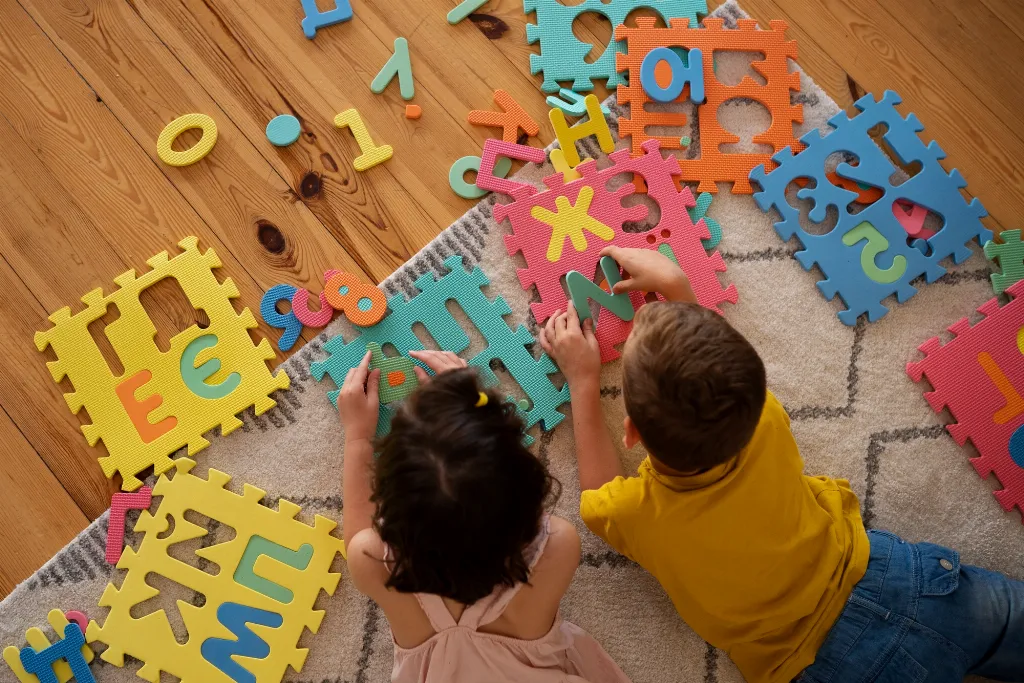
 Running a daycare in #NewMexico means following rules that keep kids safe, healthy, and learning. This short guide helps directors and providers understand the rules, what matters, and what steps to take today. Good rules and clear practices protect kids, lower stress for staff, and help programs stay open and strong. State rules are meant to keep children healthy, prevent harm, and support child development.
Remember: state requirements vary - check your state licensing agency.
1) What are the basic licensing rules for New Mexico daycare centers?
1. New Mexico has written licensing rules that cover centers, family homes, and out-of-school programs. See the core licensing code in 8.9.4 NMAC and older rules in 8.16.2 NMAC. These rules set minimum standards for staffing, safety, space, record keeping, and non-discrimination.
2. The Early Childhood Education and Care Department (ECECD) runs licensing and programs. Learn key program supports at ECECD. New laws like recent licensing acts (see SB0058PAS) may add new duties, fees, or inspection procedures. Stay updated.
3. Quick checklist to start:
- Have a posted license and current application paperwork.
- Keep written policies for health, behavior, and emergencies.
- Keep enrollment records, attendance, and medication forms up to date.
Citing the exact rules during planning helps you make smart choices and avoid surprises during surveys or complaints.
2) How do staff qualifications, background checks, and training work?
1. Background checks and history verification are required for staff. The rules that explain what checks and records must be done are in 8.8.3 NMAC. That page shows who needs fingerprinting, what employment history to collect, and how eligibility is decided.
2. Training matters. New Mexico requires health and safety training, annual clock hours, and specific courses for infant/toddler care and directors. Find approved trainings and many course options at ChildCareEd New Mexico and the list of top trainings at Top Trainings for New Mexico. These resources help staff meet hours for #training and certificates like the CDA (CDA benefits).
3. Practical steps for staff readiness:
- 📌 Keep folders with background check results and training certificates.
- 🙂 New hires complete orientation and required health & safety classes within two weeks.
- 📑 Track annual in-service hours so staff meet licensing timelines.
Using approved trainers and keeping records tidy makes surveys easier and improves daily care for the #children in your program.
3) What health, safety, medication, food, and ratio rules must I follow?
1. Health and safety are central. The Child Care Assistance and licensing rules explain required health training, safe environments, and inclusion (see 8.15.2 NMAC and 8.9.3 NMAC). Also review practical safety guides at ChildCareEd: Safety rules.
2. Medication rules: written parent consent, labeled containers, staff training and accurate Medication Administration Records (MARs) are required. See a helpful practical guide at ChildCareEd Medication Administration. Follow the Five Rights each time: right #child, right medicine, right dose, right time, right route.
3. Food and meal reimbursements through CACFP have rules for menus, portions, and record keeping. Read the CACFP rules at 8.2.2 NMAC and ECECD family nutrition pages at ECECD programs.
For practical, child-friendly ideas you can use when planning CACFP menus—including snack suggestions that support healthy digestion—see our guide to gut‑healthy snacks.
4. Ratios and supervision: licensing sets staff-to-child ratios and required supervision practices; active supervision reduces risk. Keep posted ratios and rotate staff to cover breaks while maintaining safe counts.
4) How do I prepare for inspections, avoid common mistakes, and handle complaints?
1. Inspections and complaints: the department inspects on application, renewal, or after a complaint. New licensing law text (see SB0058PAS) explains complaint handling, hearings, and possible sanctions. ECECD explains licensing processes and supports at ECECD.
2. Common mistakes and how to avoid them:
- ⚠️ Not keeping training records current — fix: keep a digital and paper folder for each staff member.
- ⚠️ Gaps in MARs or medication consent — fix: use a standard MAR template and sign immediately after giving meds; see Medication guide.
- ⚠️ Weak supervision during transitions — fix: use active supervision checklists and count children at every transition.
3. Practical inspection checklist (short):
- 📂 All staff background checks, licenses, and training certificates filed.
- 🧾 Posted license and daily attendance records.
- 🧴 Medication logs, emergency plans, and parent consents ready to show.
- 🚨 Fire drills and evacuation logs up to date.
4. Handling complaints: document your investigation, keep complainant confidentiality, and respond quickly. If a complaint is about abuse or neglect, follow mandatory reporting rules and cooperate with investigators. If you need training to improve practices, ChildCareEd has quick courses and templates to help (Health & Safety trainings Buy Now $0.00).
Summary
1. Keep the big five in mind: #licensing, #training, #safety, nutrition, and clear records for #children. 2. Use official sources (NMAC rules and ECECD) and practical supports like ChildCareEd New Mexico resources. 3. Make simple daily routines: file checks, active supervision, and test drills. State requirements vary - check your state licensing agency and local ECECD office often to stay current.
FAQ
- Q: Where do I find the official license rules? A: Start with 8.9.4 NMAC and your regional ECECD office.
- Q: How soon must new hires be trained? A: Many health & safety trainings are required within two weeks; check your program rules and approved trainers at ChildCareEd NM.
- Q: Can I use stock epinephrine? A: Some programs allow it with standing orders; check ECECD guidance and your medical orders.
- Q: Who to call about licensing questions? A: Your regional Early Childhood Education and Care Department (ECECD) licensing team listed at ECECD.
You are doing important work. Use the rules and practical tools to protect children, support families, and run a strong program. For training, templates, and step-by-step help, see ChildCareEd and official ECECD pages.
- CDA Infants/Toddlers: Health and Safety
- Texas Primary Caregiver Qualification
- CDA Infants/Toddlers: Abuse and Neglect Reporting Requisites
- Super Special School Agers
- 24 Hour Texas Pre-Service
- Potty Training Made Simple
- CDA Family Child Care Renewal
- CDA Infants/Toddlers: Classroom Setup
- CDA Infants/Toddlers: Smart Nutrition & Feeding
- Shoo, Germs! Don't Bother Me!
- Land of Enchantment Learning: What’s New in New Mexico’s Childcare Scene?
- Capacitación en Salud y Seguridad Preventiva en Línea para Proveedores de Cuidado Infantil
- Regulaciones de Licenciamiento de Cuidado Infantil en California para Centros y Hogares de Cuidado Infantil Familiar
- Normas de Licenciamiento de Cuidado Infantil en Virginia para Centros Diurnos Infantiles y Hogares Diurnos Familiares
- Proporciones de Cuidado Infantil y Tamaños de Grupo por Edad en Maryland (Guía Rápida para Centros y Hogares)
- Lista para Abrir una Guardería en Casa en Virginia: Cómo Empezar
- Lista para Abrir una Guardería en Casa en Dakota del Norte: Cómo Empezar
- Lista para Guardería en Casa en Illinois: Cómo Iniciar una Guardería en el Hogar
- Cómo Trabajar en el Cuidado Infantil en California: Requisitos y Pasos
- Cómo Trabajar en el Cuidado Infantil en Virginia: Requisitos y Pasos
- Capacitación Previa al Servicio para Proveedores de Cuidado Infantil en Dakota del Norte
- Capacitación Previa al Servicio para Proveedores de Cuidado Infantil en Virginia
- How Many Kids Can You Babysit in Your Home Without a License?
- Daycare Temperature Regulations in New Mexico: How Hot Is Too Hot?
- New Mexico Daycare Center Standards: What Providers Need to Know
- New Mexico Home Daycare Standards: What Providers Need to Know
- New Mexico Child Care Ratios and Group Sizes by Age: Daycare Center Guide
- New Mexico Child Care Ratios and Group Sizes by Age: Home Daycare Guide
- Free Online Child Care Training in New Mexico: Earn a Certificate
