Child care providers, operators, and other consumers need to know when updates are made to Licensing publications, forms, regulations, and other information as quickly as possible. Updates and other useful information that child care providers, operators, and other consumers may need are listed on this page and easily accessed by clicking on the document. The documents listed are in date order and will remain on this page for 90 days from the date noted. To help programs act immediately, consider these recommended trainings: Responding to Emergencies  Buy Now $16.00 and Emergency and Disaster Preparedness Buy Now $55.00, both offered online. These courses provide operational checklists and staff roles you can use to update your center’s emergency plan today.
Buy Now $16.00 and Emergency and Disaster Preparedness Buy Now $55.00, both offered online. These courses provide operational checklists and staff roles you can use to update your center’s emergency plan today.What emergency plans should every child care program have?
Programs require a tiered emergency plan that addresses immediate life-safety actions, short-term sheltering or relocation, and longer-term recovery. At minimum, a plan should:
- Identify primary evacuation routes and two alternative relocation sites (on-site and off-site).
- Assign and train staff roles (evacuation lead, child accountability, first aid lead, family communications lead).
- Maintain up-to-date emergency contact and medical information for every child and staff member.
- Include pediatric-appropriate first aid and medication administration procedures and supplies.
- Institute regular drills (fire, evacuation, shelter-in-place) with documented attendance and debriefs.
How do I create a relocation plan for disasters and what regulations should I check?
Relocation planning begins with a realistic assessment of plausible hazards (flood, fire, natural gas outage, structural damage). Steps that make a plan actionable include:
- Preselect at least two relocation facilities and secure written agreements for temporary use.
- Prepare go-kits with attendance rosters, consent forms, medications, first-aid supplies, and essential records; store them in weatherproof containers.
- Practice moving groups of children with their supplies to the relocation sites during a drill.
- Document how you will maintain staffing ratios, medication administration, and food safety at the temporary location.
What trainings are required and how can staff get them quickly?
Staff competence depends on both credentialed courses and frequent, brief in-service practice. Required trainings commonly include pediatric first aid/CPR, medication administration, basic health and safety, and disaster response. To operationalize training:
- Maintain a training calendar that tracks expiration dates for certification and schedules refresher sessions at least annually.
- Use blended training options (online modules plus an on-site skills check) to minimize classroom downtime while ensuring hands-on competence.
- Cross-train multiple staff for critical roles so absences do not create single-point failure risks.
How should I document incidents and communicate with families and licensing?
Clear documentation and proactive family communication preserve trust and meet licensing expectations. Best practices:
- Use a single incident form template for all medical or safety events, and file copies in the child’s file and a centralized incident log.
- Record time-stamped actions taken, staff present, and follow-up steps; if medications were given, document dosage an
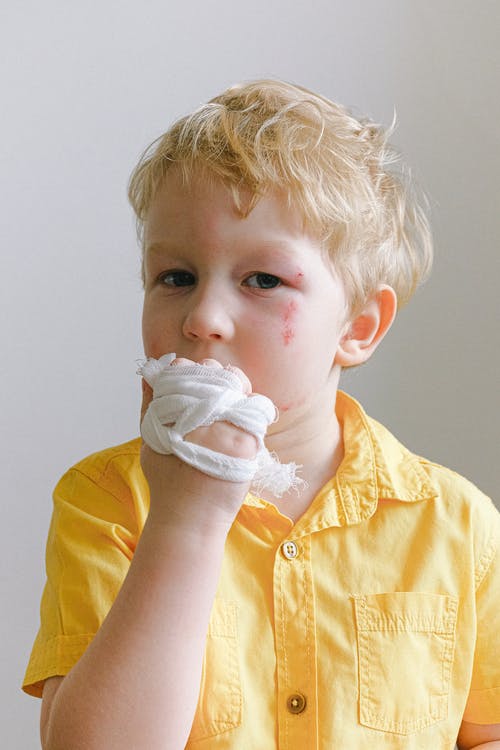 d authorization.
 - Notify families promptly with factual summaries and return-to-care information; offer a brief written follow-up after the event.
- Report incidents to licensing per your jurisdiction’s timelines and keep proof of submission with your incident file.
What are the practical next steps my program can take this week?
Immediate, high-impact actions you can take in 7 days:
- Confirm at least one alternative relocation site and contact the site to verify availability.
- Run a 10–15 minute tabletop drill assigning roles, then capture three improvement items.
- Verify that every staff member’s first-aid and medication administration certifications are current; enroll any expiring staff in the next available session.
What are the key takeaways?
Emergency preparedness in child care is operational: it depends on documented roles, practiced procedures, accessible records, and credentialed training and recovery planning. Make plans specific, practice them regularly, and document every drill or incident. The courses listed on this page support those actions and can be scheduled as blended or instructor-led options to meet regulatory and operational needs. Key tags: #emergency #health #safety #training #licensing.
How should I summarize my emergency preparedness priorities and next steps?
In summary, prioritize immediate life-safety actions, clear communications, and operational continuity. Maintain written, role-specific procedures; ensure accessible, up-to-date child and staff records; pre-secure at least two relocation sites with written agreements; and schedule recurring drills with documented outcomes and corrective actions. This week: confirm a relocation site, run a 10–15 minute tabletop drill, and verify certification expirations for staff so you can enroll them in the next available session. Keep all documentation for licensing and immediate family notifications. A short, prioritized plan that is practiced and evidenced reduces harm and accelerates recovery.
Online Classes:
*Looking for an instructor-led class? Contact the office by phone at 1(833)283-2241 (2TEACH1) or email info@childcareed.com to set up an onsite training for your center today!
Contextually related Training(s)
- Basic Health & Safety and Breastfeeding Awareness
- Reducing the Risk of Sudden Infant Death Syndrome
- Basic Life Support (BLS) In-Person Healthcare Providers
- Confidentiality Is a Must!
- 45 Hour Infant and Toddler Methods and Materials
- Pediatric RSV First Aid & CPR/AED
- Medication Administration and the Prevention of and Response to Food and Other Allergies in the Child Care Environment
- Texas Director Credential
Related Articles
- Get Ready for Summer!
- CDA Certification en Español: Recursos y Consejos para Educadores Bilingües
- Basic Health and Safety Training: The Essential Guide for New Child Care
- What Parents and Educators Need to Know About Child Safety
- Daycare Training Essentials: What You Should Know Before Opening
- Navigating the Licensing and Regulations for Your Daycare
- 🩺Safe & Sound: Health and Safety Requirements Every Childcare Provider Must Know
- Capacitación en Salud y Seguridad Preventiva en Línea para Proveedores de Cuidado Infantil
- Regulaciones de Cuidado Infantil en Maryland para Centros y Hogares de Cuidado Infantil Familiar
- Requisitos de Cuidado Infantil en Nueva Jersey para Centros y Proveedores de Cuidado Infantil Familiar
- Lista para Guardería en Casa en Illinois: Cómo Iniciar una Guardería en el Hogar
- Consejos de Supervisión Activa para Salones de Preescolar y el Juego al Aire Libre
- Capacitación Previa al Servicio para Proveedores de Cuidado Infantil en Nevada
- Canciones, juegos y preguntas de círculo para niños
- How can Michigan child care programs ensure clean, safe drinking water for kids?
- How Can Child Care Programs Teach Fire Safety Effectively to Young Children?
- How can childcare providers and families keep children safe around water?
- How should childcare programs clean, sanitize, and disinfect spaces to keep children and staff safe?
- How can we run fire and weather drills with young children safely and calmly?
