Introduction
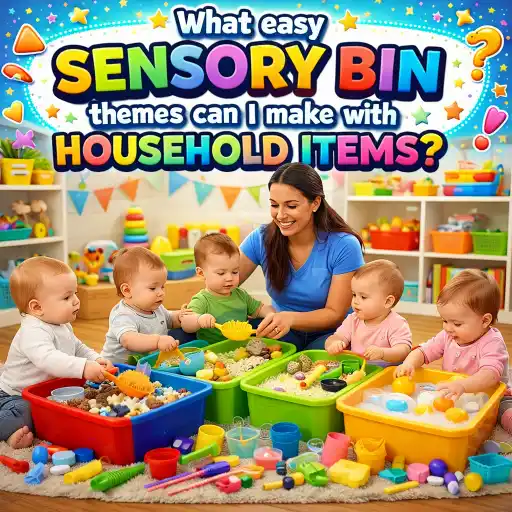
Sensory play is simple, low-cost, and powerful. As a child care provider you can make a fun #sensory activity center in minutes using things from your kitchen, closet, or yard. Sensory #bins help children practice hands-on skills, calm big feelings, and boost language and #development. This article gives easy themes, safety tips, lesson ideas, and clean-up tricks you can use today. For a step-by-step how-to, see How to Create a Sensory Bin for Exploration from ChildCareEd.
What simple themes can I build using items I already have?
Here are ready-made themes that use common #household items. Each idea lists 1) base filler, 2) 3 small props, and 3) simple prompts. These themes are cheap and easy to swap.
1) Beach bin
- Base: dry rice or cornmeal
- Props: plastic cups, toy shells, small trucks
- Prompt: "Can you fill the bucket? Find a shell."
2) Garden bin
- Base: potting soil (or brown rice for indoor)
- Props: measuring spoons, seed packets, toy bugs
- Prompt: "Plant three seeds. Which tool do you use?"
3) Winter wonder
- Base: cotton balls or white rice
- Props: pinecones, small animals, measuring cups
- Prompt: "Make a snowman. Count the cones."
4) Kitchen bakery
- Base: flour or oats (taste-safe options)
- Props: wooden spoons, cupcake liners, cookie cutters
- Prompt: "Can you make two cookies?"
5) Color hunt
- Base: dyed pasta or colored beans
- Props: small bowls, tongs, color cards
- Prompt: "Find something blue and sort it."
For more theme ideas and age tips, check ChildCareEd posts on Sensory Play in Early Childhood Education and The Water Table. Keep the set-up flexible so you can switch themes fast.
How do I keep sensory bins safe, clean, and licensing-friendly?
Safety and rules matter. Use these practical steps to reduce risk and to meet common child care standards. Remember: state requirements vary - check your state licensing agency.
1) Choose safe fillers
- 🍽️ For young children, pick taste-safe options like oats, cornmeal, cooked pasta, or large dried beans. See a long taste-safe list at Speech Room News.
- 🧼 Avoid tiny parts for infants. If in doubt, use larger items that won’t fit into a toilet paper roll.
2) Supervise and teach rules
- 👀 Stay within arm’s reach for babies. For toddlers, set clear rules: "Tools stay in the bin," or "No mouths" and model them.
- 🕒 Keep sessions short for infants (5–10 minutes). For older children, rotate choices.
3) Clean and store
- 🧽 Use washable tools. Wipe and wash between uses. Replace any cracked toys. ChildCareEd reminds providers to plan for cleaning and safe materials in their trainings like Playful Spaces for Infants & Toddlers
 Buy Now $24.00.
 - 📦 Store by theme in labeled bins so you can toss or wash bases as needed.
4) Consider allergy and cultural needs
- ⚠️ Note food allergies. If your center has food restrictions, avoid edible fillers. See guidance on material choices at Lessons4Learners.
How can sensory bins meet learning goals and daily routines?
Sensory #bins can do more than entertain. Use them to support lesson plans, routines, and development targets you already track. Here’s a simple planning loop you can follow.
Step 1 — Pick a learning goal (3 options):
- Fine motor: scooping, pinching, using tongs.
- Language: describe textures, answer open questions.
- Math: count, sort, compare sizes.
Step 2 — Choose items that fit the goal
- 🔁 For fine motor use small scoops, clothespins, or tweezers.
- 📝 For language add picture cards or vocabulary props. Ask open questions: "What does it feel like?"
- 🔢 For math include number mats or containers labeled 1–5.
Step 3 — Fit bins to your schedule
- 1) Quick center: put out a tray for free play while you lead another group.
- 2) Meeting hook: use a sensory prop to introduce a story or song.
- 3) Calm corner: use a rice or water bin for children who need a quiet break. ChildCareEd discusses water play benefits in The Water Table.
Step 4 — Reflect and record
- 📋 Note one observation: What skill grew? What child stayed engaged? Use this in lesson notes or family updates.
- 🎯 Rotate one small change each week to keep the activity fresh and linked to goals. If you want help with planning, see Meaningful Lesson Planning Buy Now $24.00.
How do I avoid common mistakes and make cleanup easy?
Many providers try sensory bins and hit the same bumps. Here are common mistakes and fixes you can use tomorrow.
Common mistake 1: Too many tiny pieces
- ✅ Fix: Start simple. Use one filler + two prop types. Save small pieces for older children or small-group work.
Common mistake 2: Mess without a plan
- ✅ Fix: Use a drop cloth or tray under the bin. Keep a small broom, dustpan, and wipes handy. A tip from Fantastic Fun & Learning is to keep cleanup tools at child height so kids help.
Common mistake 3: Not rotating materials
- ✅ Fix: Label and stash themed kits. Rotate once a week. Kids enjoy repeated exposure and mastery.
Quick clean-up checklist (3 steps):
- Remove large items and toys to wash separately.
- Scoop reusable filler back into sealed bag or container.
- Wipe table and tools; launder cloths and aprons.
Storage tip: Keep one bin for "daily" items and a second for "rotating" themes. If you want durable, low-cost favorites, see a teacher-favorite bean bin at For the Love of Teaching.
FAQ
1) How often should I offer sensory bins?
- • Aim for 2–4 times per week. Short, frequent access beats a long messy session.
2) Can I use food in bins?
- • Yes for taste-safe and supervised sessions, but follow your center policy and allergy rules. See pros/cons at Lessons4Learners.
3) What ages can use bins?
- • Infants need simple, supervised touch items. Toddlers can use bigger props and practice scooping. Preschoolers can sort and count.
4) How do I record learning from sensory play?
- • Note one child's interaction, the skill observed, and a next step. Use that in your weekly plan or family note.
Conclusion
Sensory #bins made with everyday items are an easy win for your program. They support fine motor skills, calm children, and link to real learning goals. Start with a clear theme, choose safe materials, and plan one learning question to guide play. For more training and ideas, ChildCareEd offers short courses like Baby Play Buy Now $16.00 and Playful Spaces Buy Now $24.00. Try one theme this week, watch how children explore, and keep what works. Your #toddlers will love the chance to touch, sort, and learn—and you’ll have a low-cost, high-value tool in your daily routine.
- Pumpkin Spice and Sensory Delight: Easy Autumn Sensory Bins for Early Learners
- 💛🧩 ¿Cómo puedo hacer que mi enseñanza sea inclusiva para los niños con autismo?
- Recursos en Español sobre el Sueño Seguro del Bebé
- Cómo Empezar una Guardería en Casa: Requisitos y Pasos
- Lista para Guardería en Casa en Illinois: Cómo Iniciar una Guardería en el Hogar
- Labor Day Activities for Kids: Crafts, Games, and Learning Ideas
- How can I use beach and ocean-themed summer activities in my California early childhood classroom?
- Creative Daycare Activities to Help Children Learn and Grow
- Fall Sensory Activities for Toddlers and Preschoolers
- Calabazas, hojas y manzanas: actividades de otoño para preescolares
- Cómo simplificar la capacitación para sus empleados de daycare
- How can I make infant and toddler lesson plans that really work?
- Why Does Sensory Play Matter and How Can My Child Care Program Start?
- How can inexpensive sensory bins boost language, fine motor, social-emotional, and cognitive development?
- How can early childhood classrooms become more sensory-friendly?
- How Can I Use Everyday Materials for Meaningful STEM Exploration in My Preschool Classroom?
- How Can Child Care Providers Use Sensory Play to Support Young Children’s Development?
- How Can Sensory Bin Ideas Promote Early Language Skills?
- How Can Simple Sorting Activities Build Sustainable Habits in Early Childhood?
