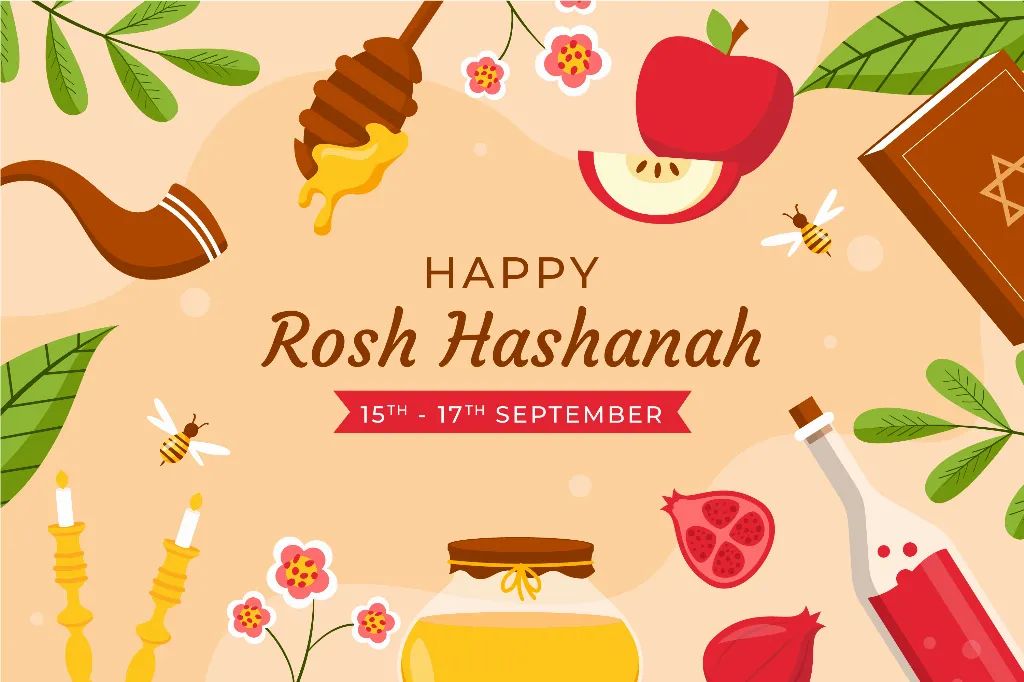
 Rosh Hashanah is the Jewish New Year. In a child care or early elementary classroom, it can be a gentle chance to teach kindness, fresh starts, and family traditions. Young children learn best with real objects they can see, smell, and touch like apples, honey (if safe), music, and simple crafts.
Why it matters:
-
Children practice social skills like saying sorry and trying again. #kindness
-
Families can connect school learning to home traditions.
-
Hands-on activities support language and memory.
What is Rosh Hashanah (in simple words) and what themes are best for young children?
Rosh Hashanah is the start of a new year on the Jewish calendar. Many families celebrate with special foods, greetings, and time together. A well-known tradition is dipping apples in honey to wish for a “good and sweet new year.”
In early childhood settings, it works best to focus on themes children can understand:
-
New beginnings (“We can try again.”)
-
Kind choices (“We use gentle hands.”)
-
Sweet wishes (“We hope for a sweet year.”) #RoshHashanah
Tip for inclusive classrooms: Teach it as “learning about a holiday some families celebrate,” and always offer a choice to join or do a different activity.
What circle-time activities teach the idea of a “sweet new year”?
Keep circle time short (5–15 minutes). Use one object at a time and simple words.
Try this easy circle-time plan:
-
Show one symbol: an apple, a honey jar picture, or a bee picture.
-
Say one sentence: “Some families dip apples in honey to wish for a sweet new year.”
-
Ask one question: “What is one kind thing you want to try this year?”
Quick circle-time ideas (pick 1–2):
-
Read a picture book about Rosh Hashanah (keep it brief and visual).
-
Listen to a shofar sound (10–15 seconds). The shofar is a ram’s horn that is traditionally blown on Rosh Hashanah.
-
Sing a 1-minute rhyme (repeat it daily for a week):
-
“Apple, apple, sweet and round—kindness helps our friends feel sound!”
-
How can we do apples and honey safely in child care?
Food activities can be fun, but safety comes first.
Before any tasting:
-
Check allergies and your program’s food policies.
-
Wash hands and follow sanitation rules.
-
Serve tiny portions.
Important infant safety note: Do not give honey to children under 12 months because of infant botulism risk.
If you can’t serve honey (or don’t want to):
-
Use a yellow sticker as “pretend honey.”
-
Use apples only and say: “Apples are a special Rosh Hashanah food.”
-
Use a sensory bin with “honey-colored” rice instead of tasting.
What hands-on crafts and keepsakes will families actually want to keep?
Children love making something to take home. Crafts also build fine-motor skills.
Easy, low-prep craft choices:
-
Honey jar craft (paper version):
-
Cut a jar shape from paper.
-
Add yellow tissue paper “honey.”
-
Write (or dictate): “Sweet New Year.”
-
-
Apple stamp art:
-
Use a cut apple only if your program allows food for art (or use an apple-shaped sponge).
-
Stamp on paper and add a short note: “We learned about new beginnings.”
-
-
“Fresh Start” bracelet:
-
Pipe cleaners + large beads (big enough to be safe).
-
Children pick 2–3 colors and name a goal: “share,” “help,” “listen.”
-
Want a ready-to-use set of activities from birth through kindergarten?
Use this ChildCareEd resource: https://www.childcareed.com/r-00830-rosh-hashanah-activities-all-ages-birth-kindergarten.html Buy Now $0.00
How can I include music, the shofar, and community traditions in a calm, inclusive way?
Music makes learning stick—but keep it short and gentle.
Shofar ideas (kid-friendly):
-
Show a photo of a shofar and play a short recording.
-
Explain in one sentence: “Some families listen to this sound during Rosh Hashanah.”
-
Offer noise-sensitive options (headphones, sit farther away, or a quieter recording). #inclusion
Family and community options (always optional):
-
Invite a family member to share a short greeting like “Shanah Tovah” (Good Year).
-
Host a 15-minute “open classroom” craft table at pickup time.
-
Send home a one-page note: “Here’s what we did and why.”
What sensory centers and lesson ideas work well for mixed ages?
Short centers (5–10 minutes) are perfect. Choose one theme and repeat it for a few days.
Center ideas (simple and effective):
-
Honey-colored sensory bin: yellow rice + apple cutouts + scoops
-
Apple sorting: red/green/yellow apples (toy apples are great)
-
“Kind words” station: children pick a card and practice a phrase:
-
“Can I help?” “Do you want a turn?” “Thank you.”
-
For family-friendly activity ideas, PJ Library shares kid-focused Rosh Hashanah activities (helpful for inspiration).
What mistakes should we avoid when teaching Rosh Hashanah themes?
These are common—and easy to fix:
-
Mistake: Activities are too long.
Fix: Keep lessons 5–15 minutes and rotate centers. -
Mistake: Forgetting honey safety for infants.
Fix: No honey under age 1, and use a pretend option instead. -
Mistake: Asking too many questions.
Fix: Ask one clear question at circle time. -
Mistake: Not offering family choice.
Fix: Share a short note and allow opt-out alternatives.
Which ChildCareEd trainings help staff teach holidays respectfully and manage routines well?
These courses support inclusive holiday teaching, family communication, and social-emotional skills:
-
Bridging Cultures: Family Communication & Collaboration
 Buy Now $55.00
 -
Brighter Futures: Social Emotional Development
Buy Now $16.00
Related ChildCareEd article (great for planning inclusive celebrations):
https://www.childcareed.com/a/cultural-competence-in-early-childhood-education.html
