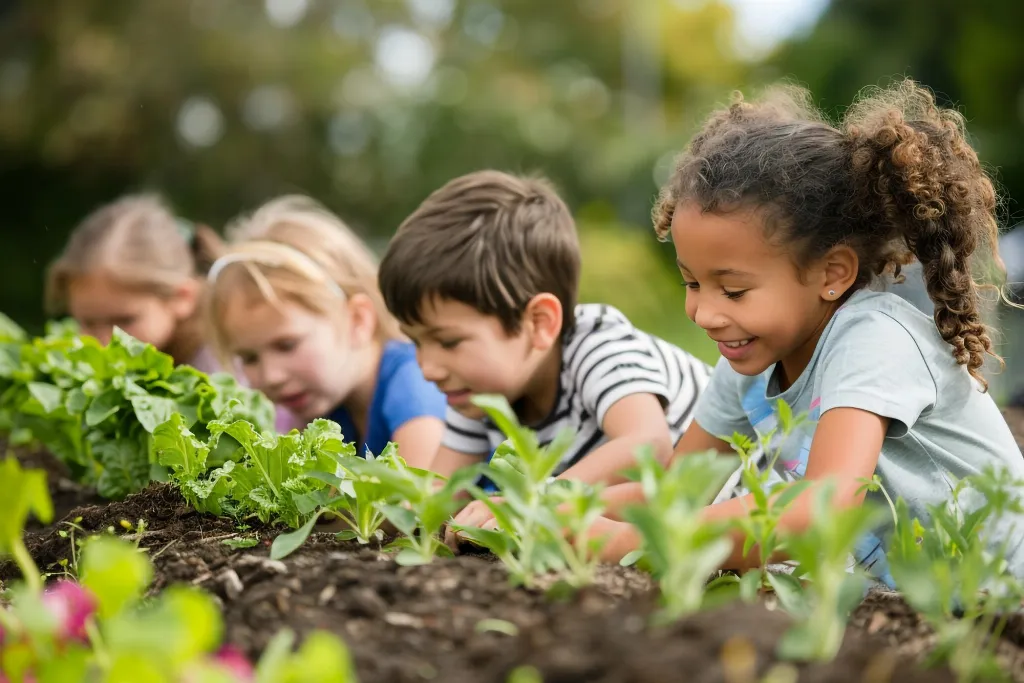
 Taking young children out of the classroom can be one of the best ways to teach and inspire them. This guide gives easy, practical ideas for Texas childcare providers and directors. You will find simple trip types, safety checks, planning steps, and ways to connect trips to learning. These ideas support #Texas programs, help #children explore, encourage #outdoorplay, and keep #safety front and center for every trip. Field trips are fun and powerful — and planning them well makes them easier for staff and families.
For more Texas-specific ideas, see Field Trip Ideas in Texas and general tips at Fun Field Trip Ideas.
Why should we take field trips with our daycare group?
Field trips give real-world experiences that strengthen classroom learning. Here are key reasons they matter:
🧠 Build learning: Field trips let children see and touch things they learned about in class. Teachers can point to real plants, animals, machines, or buildings and use simple words and pictures to connect ideas. See research and tips at Field Trip Planning.
🤝 Grow social skills: Small outings help children practice waiting, sharing, and talking with peers and adults.
🌟 Boost confidence: New places teach children to follow routines in unfamiliar spots. This builds courage and independence.
🎯 Strengthen goals: When trips match a lesson, children deepen vocabulary and memory. Plan a short goal for each trip (one idea to learn or one skill to practice).
🔍 Sensory learning: Many trips are sensory-rich — sounds, smells, textures — that support development at all ages.
Field trips help children connect classroom learning to the real world. They create memories that make learning stick. State requirements vary - check your state licensing agency.
What are safe, age-appropriate field trip ideas in Texas?
Here are easy, mixed-age ideas that work well for daycare groups in Texas. Use short trips for toddlers and longer, slightly more detailed visits for preschoolers.
- 🌳 Nature centers, parks, and gardens
- Examples: Meadows Center, city nature centers, or regional parks like Lake Houston Wilderness Park. These places are great for hands-on nature walks and teacher-led scavenger hunts.
- 🦁 Zoos and wildlife areas
- Zoos often have child-friendly exhibits and short programs. They support language and animal-theme lessons.
- 🎨 Children’s museums, art studios, and local libraries
- Children’s museums and libraries offer sensory play, storytime, and art activities that match lesson goals. See local choices in the ChildCareEd ideas list: Field Trip Ideas in Texas.
- 🚒 Community helpers and local businesses
- Visits to fire stations, police stations, post offices, farms, and bakeries are short, affordable, and build community knowledge.
- 🧪 Science centers and educational tours
- Examples: The Meadows Center and local discovery museums offer TEKS-aligned, age-appropriate programs that teachers can tie to lessons (Meadows Center tours).
- 🌊 Specialized options
- Sea or marine programs like Sea Camp or supervised coastal visits for older groups can be exciting—choose trips that match ages and supervision rules.
Tip: For local options, search community parks, nature centers, children’s museums, and your public library for free or low-cost programs. ChildCareEd lists many ideas and state-specific tips (Fun Field Trip Ideas).
How do I plan trips and keep children safe in Texas?
Safety and planning make trips run smoothly. Use this step-by-step checklist and links to trainings and resources.
- 📝 Plan and permission
- Get parent permission forms, health/allergy info, and emergency contacts before the trip.
- 👥 Assign staff roles and ratios
- Decide who leads the line, who is the head counter, and who carries first aid. Follow your program’s adult-to-child ratios and plan extra adults for mixed-age groups.
- 🚍 Transportation safety and training
- Use approved transportation practices. ChildCareEd offers a course on transportation precautions (Appropriate Precautions in Transportation
 Buy Now $10.00) and a Texas-approved transportation safety course at Transportation Safety Buy Now $16.00.
 - For bus supervision, review active supervision guidance like Active Supervision on Buses Buy Now $0.00.
- Use approved transportation practices. ChildCareEd offers a course on transportation precautions (Appropriate Precautions in Transportation
- 🌦️ Check weather and outdoor risks
- Texas weather can change fast. Use a weather plan and shorten or cancel outdoor time for heat, storms, or poor air quality (Texas Weather & Outdoor Time). State requirements vary - check your state licensing agency.
- 🐾 Animal safety and health
- Follow CDC guidance on animals in child settings: avoid reptiles, poultry, and rodents with very young children and supervise all animal contact (CDC: Animals in Schools & Daycares).
- 📦 Emergency kit and practice
- Bring first aid, medications, water, snacks, and a charged phone. Do a headcount often and run a quick arrival and departure routine with children so transitions are calm.
Staff training and a culture of safety help reduce risk. See the 10 actions to create a safety culture (10 Actions to Create a Culture of Safety Buy Now $0.00) and national standards like Caring for Our Children.
How do I connect trips to learning and avoid common mistakes?
Field trips are stronger when they are part of the plan. Use these easy steps and watch for common pitfalls.
- Before: Prepare children and families
- Read a short book, show pictures, and teach 3 simple words they will hear on the trip. Send a clear note to families with what to wear, arrival time, and snacks.
- During: Keep the experience short and guided
- Limit group size, use buddies, ask one or two open questions, and use a calm routine. Let children explore a small area on their own time with adult support.
- After: Extend the learning
- Have children draw or tell their favorite part, make a group book, or build a simple dramatic play area that mirrors the visit.
- Common mistakes and how to avoid them
- 1) Too long for the age group — keep trips short for toddlers. 2) Poor communication with families — send clear permission and packing lists. 3) Not checking allergies or animal risks — review medical plans and CDC animal guidance (CDC). 4) Forgetting weather plans — check conditions and have an indoor backup (Texas Weather Tips).
Connect to curriculum: Many Texas field trip sites offer TEKS-aligned programs (for example, Meadows Center). Short pre- and post-activities help meet learning goals. Low-cost options like libraries, parks, and community helpers make trips inclusive and easy to plan (Fun Field Trip Ideas).
Conclusion and FAQs
Field trips in Texas can be simple, safe, and full of learning. Use local nature centers, museums, parks, and community helpers. Plan safety, train staff, and connect each trip to one clear learning goal.
Quick FAQ:
- Q: How long should a trip be for toddlers? A: 45–90 minutes out of the classroom works best.
- Q: Can we take animals on trips? A: Follow CDC guidance and avoid higher-risk animals for children under 5 (CDC).
- Q: Where can staff get transportation training? A: ChildCareEd offers transportation safety and precautions courses (Transport Precautions Buy Now $10.00).
- Q: How do we include children with different needs? A: Plan accommodations, add an extra adult, and share information with families and the site ahead of time.
- Q: Who enforces rules for field trips? A: Your state licensing agency — state requirements vary - check your state licensing agency.
Ready to plan? Start with one short, local trip and use a checklist: permission slips, roles, transport plan, first-aid, and a simple learning goal. For Texas-specific ideas and training, start at ChildCareEd: Field Trip Ideas in Texas and Field Trip Planning.
- 18-Hour Train the Trainer
- Emergent Learning & Development
- Texas Primary Caregiver Qualification
- Transportation and Field Trip Safety in the Early Childhood Environment
- Potty Training Made Simple
- Key Elements of an After School Program
- Creating Environments that Nurture Growth and Community
- Texas Director Credential
- Enriching Education: Field Trips
- Planning Summer Fun: Texas Child Care Providers
- Celebrate Juneteenth in Baltimore
- Las Mejores Ideas de Excursiones para Guarderías en Dakota del Norte
- Las Mejores Ideas de Excursiones para Guarderías en Texas
- Las Mejores Ideas de Excursiones para Guarderías en Georgia
- Best Daycare Field Trip Ideas in Wisconsin
- Best Daycare Field Trip Ideas in North Carolina
- Best Daycare Field Trip Ideas in Virginia
- How Can Texas Child Care Providers Spend Less Time on Paperwork and More on Quality?
- How can Texas childcare providers use wildlife and outdoor discovery to teach young children?
- Which Georgia Parks and Nature Centers Are Best for Preschool Field Trip Adventures?
- Summer Field Trips for Daycares in Georgia
- Summer Field Trips for Daycares in Nevada
- Summer Field Trips for Daycares in Texas
- Summer Field Trips for Daycares in Wisconsin
- Summer Field Trips for Daycares in Maryland
- Summer Field Trips for Daycares in North Carolina
- How to Create a Daycare Field Trip Permission Slip
- Daycare Field Trip Permission Slip: What to Include
- In-House Field Trips for Kids: Fun Ideas for Daycare
