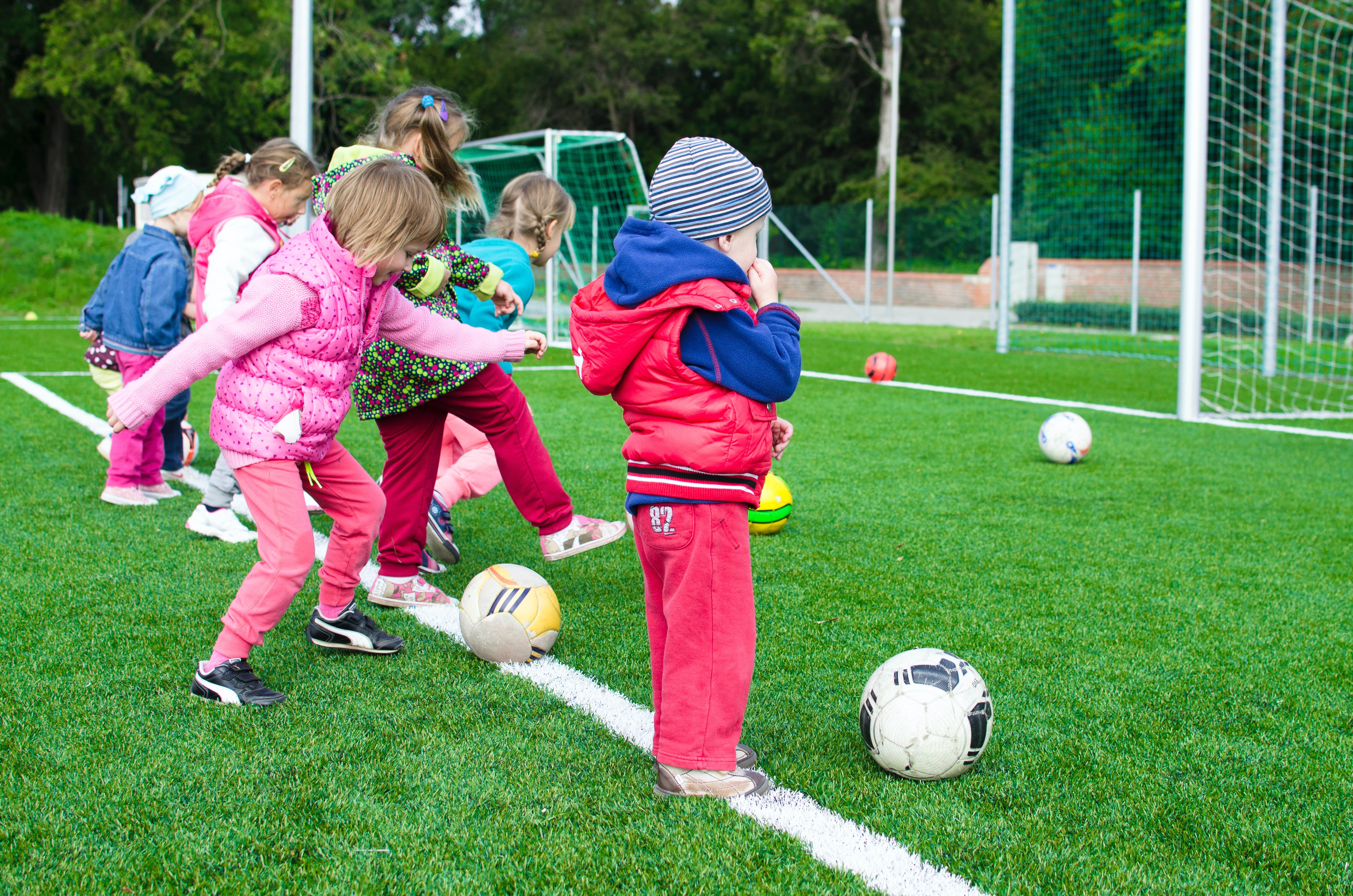
 Georgia weather can change quickly, especially in spring and summer. Many days feel hot and humid. Other days bring heavy rain, thunderstorms, or sudden cooler air. Young children feel weather changes faster than adults, so planning outdoor time carefully helps protect their health and comfort. #healthandsafety #childcare
Outdoor play is still a big deal! It supports movement, learning, and behavior (kids often focus better after they play outside). The key is having a simple plan so staff know what to do on sunny days, rainy days, and everything in between.
What should daycare staff check before going outside in Georgia?
Do a quick weather check before outdoor time (morning and afternoon). It can take only a couple of minutes, but it helps you prevent problems.
Check these items:
-
🌡️ Temperature (and “feels like” heat)
-
💧 Humidity (high humidity makes heat feel worse)
-
🌧️ Rain (light drizzle vs. heavy rain)
-
⛈️ Thunderstorms and lightning
-
😷 Air quality (smoke or pollution can affect breathing)
-
👣 Ground safety (mud, puddles, slick surfaces, fire ants, broken glass)
Helpful tool: Many centers use a daily weather tool to keep checks consistent. This ChildCareEd resource can support staff routines:
https://www.childcareed.com/r-00262-childcare-weather-chart-all-ages-admin-health-safety.html Buy Now $0.00 #weather
🚦 How do we decide: go outside, shorten time, or stay inside?
A simple “traffic light” plan helps everyone make the same choice:
-
🟢 Green = Go outside
Weather is safe. Outdoor play as planned. -
🟡 Yellow = Go outside, but adjust
Shorter time, more shade breaks, calmer activities, or rotate small groups. -
🔴 Red = Stay inside
Lightning/thunder nearby, unsafe heat, severe storms, or very poor air quality.
This keeps outdoor decisions clear, especially when staff changes happen during the day.
🌦️ What Georgia weather risks should daycares plan for?
🥵 Hot and humid days
Georgia heat can be intense, and humidity can make it feel even hotter. Children can overheat faster than adults, especially during active play.
Use these hot-day safety habits:
-
💧 Offer water often (before, during, after)
-
🌳 Use shade and add a canopy if you have one
-
⏱️ Shorten outdoor time during the hottest part of the day
-
🧺 Take more breaks (quiet breaks count!)
-
👕 Dress for heat (light clothing, hats if allowed)
-
👀 Watch for heat stress:
-
headache
-
dizziness
-
nausea
-
very tired behavior
-
skin that is very red or very pale
-
Tip: Plan “low-heat” outdoor activities like chalk, bubbles, nature walks, or a shaded story time.
⛈️ Thunderstorms and lightning
Georgia storms can pop up fast, especially in warm months. If you hear thunder, it’s time to go inside right away.
Smart storm steps:
-
📢 Rule: “Thunder = indoors now.”
-
🧍♀️🧍 Practice a calm indoor move (like a quick drill)
-
🎒 Bring what you need (class list/emergency bag if required)
🌧️ Heavy rain and muddy ground
Rain can create slippery play areas and puddles that hide hazards. It can also cause mosquito activity later.
Try this approach:
-
👣 Walk the play area first (look for slick spots and standing water)
-
🧼 Keep handwashing strong after outdoor time
-
🦟 Reduce mosquito risk by avoiding puddle areas and checking play zones
🐜 Outdoor pests (like fire ants)
Georgia has more outdoor pests than some states. Fire ants are a big concern on playgrounds and grassy areas.
Basic prevention:
-
👀 Check outdoor areas for ant mounds before play
-
🚧 Block off unsafe zones right away
-
🧤 Teach staff to watch for bites/stings and follow your first-aid policy
🌿 How can we keep outdoor time fun in Georgia all year?
Outdoor play can still happen in many weather types when you adjust your plan. Try rotating activities so children stay engaged without overheating.
Easy outdoor ideas:
-
🌳 Shade nature walks (find leaves, sticks, bugs from a distance)
-
🫧 Bubbles + breeze games (gentle movement)
-
🖍️ Sidewalk chalk (letters, shapes, roads for cars)
-
🏃 Short relay games (with lots of water breaks)
-
📚 Outdoor story circle under shade
Want more Georgia-specific ideas that also support learning and community connection? Field trips can be a great option when weather is mild or when you want a special experience:
https://www.childcareed.com/a/field-trip-ideas-in-georgia-for-childcare-providers.html
🏠 What can we do when weather keeps us inside?
Sometimes the best choice is indoor play—especially during storms, heavy rain, or extreme heat.
Indoor alternatives that still help children move:
-
🎶 Dance party or freeze dance
-
🏃 Indoor obstacle course (tape lines, pillows, tunnels)
-
🎈 Balloon volleyball or beanbag toss
-
🧘 Simple stretching and yoga
-
🧩 Learning centers (blocks, dramatic play, sensory bins)
If your team needs stronger ideas for indoor days, this course is a great fit:
https://www.childcareed.com/courses-engaging-indoor-activities-for-inclement-weather-1.html  Buy Now $24.00 #earlylearning
👩🏫 How can ChildCareEd training support safer outdoor time?
Training helps staff make quick, confident choices about outdoor safety, supervision, and outdoor learning spaces.
These courses match Georgia outdoor planning well:
-
🌿 Build a nature-rich learning space: https://www.childcareed.com/courses-creating-the-natural-outdoor-classroom.html
-
🛝 Plan and organize outdoor learning areas: https://www.childcareed.com/courses-cda-creating-the-outdoor-classroom.html
-
🌧️ Strong indoor activity planning for bad weather days: https://www.childcareed.com/courses-engaging-indoor-activities-for-inclement-weather-1.html
Buy Now $24.00
A helpful approach is to train staff on both sides: outdoor safety + indoor backup plans. That way, no matter what Georgia weather brings, your program is ready.
📋 What’s a quick Georgia outdoor time checklist for daycare staff?
Use this simple daily checklist:
🌡️ Check temperature and “feels like” heat
💧 Check humidity
⛈️ Check storms/thunder
🌧️ Check rain and slippery ground
😷 Check air quality if needed
👣 Walk the play area for hazards (mud, puddles, pests)
💧 Bring water (especially in warm weather)
👀 Review supervision zones and headcounts
🚦 Decide: full time outside, shorter time, or inside
Support tool for staff routines:
https://www.childcareed.com/r-00262-childcare-weather-chart-all-ages-admin-health-safety.html Buy Now $0.00
📲 Where can I get more quick ChildCareEd tips?
For quick videos and simple ideas, follow ChildCareEd on TikTok:
https://www.tiktok.com/@childcareed ✅
Try this:
-
📌 Share one weather tip at staff meetings
-
📣 Remind families weekly about weather-ready clothes
-
🌤️ Pick one new outdoor activity to try each month
With a clear routine, Georgia daycare teams can handle changing weather and keep outdoor time safe, healthy, and fun. 🌈
- SIDS: Saving Babies: A Change of Position, A Change in Tradition
- Engaging Indoor Activities for Inclement Weather
- Food Preparation and Nutrition
- Self-Regulation & Change: Helping Children Cope
- 40-Hour Director's Course
- 10 Hour Health and Safety Orientation Training
- FCCLH Pre-Service Course
- Supporting Families and Caregivers in Language and Literacy
- Mindful Supervision: Balancing Safety & Independence in Montessori
- Georgia Weather & Outdoor Time at Daycare
- Lista para Abrir una Guardería en Casa en Georgia: Cómo Empezar
- Consejos de Supervisión Activa para Salones de Preescolar y el Juego al Aire Libre
- Las Mejores Ideas de Excursiones para Guarderías en Texas
- Requisitos para Guarderías en Casa en Georgia
- How can I plan peach-themed summer activities for preschoolers in Georgia?
- How can childcare teams lead safe, fun nature walks in Georgia parks and gardens?
- Which Georgia Parks and Nature Centers Are Best for Preschool Field Trip Adventures?
- Child Care Weather Guidelines: Using the 2026 Weather Watch Chart
- Air Quality and Child Care in Georgia: Outdoor Play Safety Tips
- Safe Temperature Regulations in Daycare: Virginia Rules for Child Care Providers
- Safe Temperature Regulations in Daycare: Georgia Rules for Child Care Providers
- Safe Temperature Regulations in Daycare: Texas Rules for Child Care Providers
- Safe Temperature Regulations in Daycare: California Rules for Child Care Providers
- Daycare Temperature Regulations in Idaho: How Cold Is Too Cold?
- Daycare Temperature Regulations in California: What Providers Should Know
- Daycare Temperature Regulations in Utah: How Hot or Cold Is Too Much?
- Daycare Temperature Regulations in Oregon: What Providers Should Know
- Daycare Temperature Regulations in Washington: What Providers Should Know
- Cómo Planificar Actividades al Aire Libre Seguras Durante el Calor y la Mala Calidad del Aire
