Cold weather increases the risk of cold-related injury in children; frostbite is a freezing injury of the skin and subcutaneous tissues that can produce permanent harm if not recognized and managed promptly. ChildCareEd provides caregiver training to help identify frostbite, and its courses—such as the remote and blended pediatric first-aid options—teach practical skills for immediate response, including life‑saving CPR and first aid Buy Now $115.00 and the First Aid & CPR (blended) Buy Now $85.00$80.00. Prompt recognition and appropriate management reduce the likelihood of permanent tissue loss.
How can I recognize and treat frostbite?
Caregivers and early‑childhood professionals must be able to discern the clinical features of frostbite and initiate appropriate first‑response measures to reduce morbidity and prevent progression to more extensive tissue injury.
How do I recognize frostbite and provide immediate first aid?
Frostbite can affect any part of the body, but it most commonly occurs on the fingers, toes, nose, and ears. Here are the key symptoms to look out for:
-
Initial Symptoms:
- Cold skin accompanied by a prickling sensation.
- Redness or pain in the affected area.
-
Progressive Symptoms:
- Numbness in the affected area.
- Skin that appears pale, gray, or waxy.
- Blisters may form in severe cases.
-
Advanced Symptoms:
- Hard or frozen skin.
- Loss of sensation in the affected area.
- Darkening of the skin, indicating tissue damage.
If you suspect someone has frostbite, it is essential to act quickly. Here are the steps to follow:
-
Move to a Warmer Environment:
- Get the affected person indoors or to a sheltered area to prevent further exposure to cold.
-
Remove Wet Clothing:
- Carefully remove any wet clothing to help the body warm up.
-
Warm the Affected Area:
- Gradually warm the frostbitten area using body heat or warm (not hot) water (around 100°F to 105°F or 37°C to 41°C).
- Avoid using direct heat sources like stoves, heating pads, or fires, as these can cause burns.
-
Do Not Rub or Massage:
- Avoid rubbing or massaging the frostbitten area, as this can cause further damage to the tissue.
-
Hydrate:
- Encourage the person to drink warm fluids to help raise their body temperature.
-
Seek Medical Attention:
- If symptoms persist or if the frostbite is severe (indicated by hard, blackened skin), seek medical help immediately.
-
Monitor for Complications:
- Watch for signs of infection or complications, such as inc
 reased pain, swelling, or fever, and seek medical advice if these occur.
- Watch for signs of infection or complications, such as inc
Preventing frostbite is crucial, especially during the colder months when children are more susceptible to low temperatures. Here are some effective strategies to keep your child safe. See ChildCareEd's guidance on broader cold-weather program safety: How Can Child Care Programs Keep Young Children Safe in Cold Weather?
-
Dress Appropriately:
- Ensure your child wears multiple layers of clothing, including thermal underwear, insulated jackets, and waterproof outer layers to trap heat.
- Use hats, gloves, and scarves to cover extremities, as fingers, toes, and ears are particularly vulnerable to frostbite.
Also see ChildCareEd: How can child care programs prevent seasonal safety hazards?
-
Limit Exposure:
- Monitor weather conditions and limit outdoor activities during extreme cold or windy days.
- Schedule frequent breaks indoors to warm up and check for any signs of discomfort or cold-related issues.
-
Stay Dry:
- Wet clothing can significantly increase the risk of frostbite. Ensure your child stays dry by using waterproof gear and changing out of wet clothes promptly.
Practical indoor strategies are discussed in: Winter Weather and Indoor Air Quality Tips
-
Hydration and Nutrition:
- Encourage your child to stay hydrated and maintain a balanced diet, as proper nutrition helps sustain body heat and overall energy levels.
-
Educate About Symptoms:
- Teach your child to recognize early signs of frostbite, such as numbness, tingling, or a burning sensation in the fingers and toes. This awareness can prompt timely action and prevent further injury.
If frostbite occurs, prompt treatment is essential to minimize damage. Here are the steps to take:
-
Get to a Warm Environment:
- Move the child indoors or to a sheltered area to prevent further exposure to cold.
-
Rewarm Gradually:
- Use warm (not hot) water to soak the affected areas for 30-45 minutes. The water temperature should be around 100-105°F (37-40°C).
- Avoid direct heat sources like heating pads or fires, as they can cause burns and worsen the injury.
-
Avoid Rubbing:
- Do not rub or massage the frostbitten areas, as this can cause further tissue damage and complications.
-
Pain Management:
- Administer over-the-counter pain relief, such as ibuprofen or acetaminophen, to help alleviate discomfort and reduce inflammation.
-
Seek Medical Attention:
- If symptoms persist or if there are signs of severe frostbite (such as blisters, blackened skin, or extreme pain), seek immediate medical help.
-
Monitor for Complications:
- Watch for any changes in the affected areas and consult a healthcare professional if there are concerns about healing or signs of infection.
What CPR techniques should parents know?
How should I assess the situation?
-
- Ensure the environment is safe for both you and your child.
- Check for responsiveness by gently shaking the child and shouting their name.
-
Call for Help:
- If the child is unresponsive and not breathing, call emergency services immediately or instruct someone else to do so. Buy Now $115.00
-
Begin CPR:
-
For Children (Ages 1-8):
- Chest Compressions:
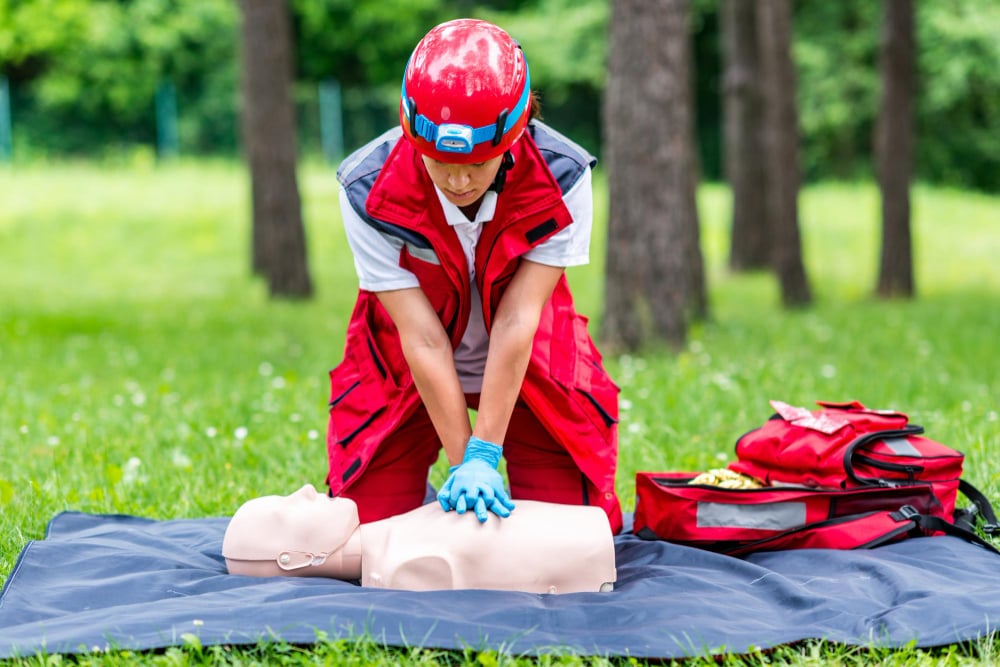
- Place the heel of one hand on the center of the child’s chest, with the other hand on top.
- Compress the chest downward about 1.5 to 2 inches deep at a rate of 100-120 compressions per minute.
- Rescue Breaths:
- After every 30 compressions, give 2 rescue breaths.
- Ensure the child’s head is tilted back slightly to open the airway.
- Pinch the nose shut, cover the child’s mouth with yours, and give a breath lasting about 1 second, watching for the chest to rise. Repeat for the second breath.
- Chest Compressions:
-
For Infants (Under 1 Year):
- Chest Compressions:
- Use two fingers placed just below the nipple line in the center of the chest.
- Compress the chest about 1.5 inches deep at a rate of 100-120 compressions per minute.
- Rescue Breaths:
- After every 30 compressions, give 2 gentle breaths.
- Cover the infant’s mouth and nose with your mouth, giving a breath lasting about 1 second each. Buy Now $115.00
- Chest Compressions:
-
-
Continue CPR:
- Maintain the cycle of 30 compressions and 2 breaths Buy Now $115.00 until emergency help arrives or the child shows signs of life (such as breathing or movement).
For practical reasons to take a course now, see: 10 Reasons to Take Pediatric First Aid and CPR
-
Use an AED if Available:
- If an Automated External Defibrillator (AED) is available, turn it on and follow the voice prompts. Attach the pads as indicated and allow the AED to analyze the heart rhythm.
Learn more about AED/CPR promotion with ChildCareEd: Give the Gift of Life This Holiday: Take CPR Training
Why is pediatric CPR and first-aid training important for caregivers?
Parents are strongly encouraged to complete a certified pediatric CPR and first-aid course; such training integrates deliberate, hands-on practice with instruction in current resuscitation algorithms, pediatric airway management, and the appropriate use of automated external defibrillators. This structured preparation reduces hesitation in emergencies and improves the likelihood of favorable clinical outcomes. For program-level rationale and training benefits, see Why Pediatric First Aid Training is Crucial for Daycare Providers. For additional perspectives on why first‑aid and CPR training matters for both teachers and parents, see A Lifeline for Little Ones: Why First Aid and CPR Training is Essential for Teachers and Parents.
By familiarizing yourself with these CPR techniques, you can ensure that you are ready to respond effectively in critical situations, providing peace of mind during the holiday season and beyond.
Summary: What should parents remember about frostbite and CPR?
Key takeaways: (1) Recognize early signs of frostbite—pale, firm, or numb extremities—and move the child to warmth immediately; (2) warm frostbitten areas gently with warm (not hot) water or body heat; do not rub, and avoid direct heat sources; (3) seek medical evaluation for severe or persistent injuries and avoid refreezing; (4) certified pediatric first-aid and CPR training helps caregivers respond confidently. Enroll in ChildCareEd first-aid and pediatric CPR courses to gain practical skills and certification: First Aid & CPR (blended) Buy Now $85.00$80.00 or Pediatric RSV First Aid & CPR Buy Now $115.00. #safety #frostbite #CPR #prevention #firstaid
- Health, safety and nutrition
- Curriculum
- Child development
- Community
- Infant/ Toddler Educators
- Preschool Educators
- School-Age Providers
- Family Child Care Providers
- Health and Safety
- Content Areas
- Social/Emotional
- Families
- Mental Health
- Website Articles
- CPR
- Health, safety and nutrition
- Child development
- Community and Family
- Montessori
- CDA
- Child Guidance
- Adult/Child/Infant CPR AED and Adult First Aid Blended
- Adult Only CPR AED and Adult First Aid Blended
- Basic Life Support (BLS) Blended Healthcare Providers
- Pediatric Blended First Aid & CPR/AED Adult, Child, Infant
- Pediatric RSV First Aid & CPR/AED
- Pediatric In-Person First Aid & CPR/AED Adult, Child, Infant
- Adult First Aid Only - Blended
- Texas Director Credential
- Winter Weather and Indoor Air Quality Tips
- First Aid for Frosty Fingers: Holiday Safety and CPR Tips Every Parent Should Know
- Deck the Halls with Emotional Wellness: Family Traditions That Foster Connection
- 😫🧸 ¿Qué hacer cuando un bebé no quiere dormir la siesta en el aula?
- Que Se Necesita Para Trabajar En Un Daycare?
- 45 horas para infantes y niños pequeños: cómo certificarse en línea
- ¿Cómo puedo usar escenarios de juego de roles de primeros auxilios en mi aula?
- ¿Cuáles son las mejores actividades de primeros auxilios para adultos?
- ¿Cómo pueden los equipos de cuidado infantil practicar habilidades rápidas de primeros auxilios en situaciones reales?
- Cómo Crear Tu Portafolio CDA Paso a Paso
- ¿Cómo solicito la licencia para una guardería en California?
- Regulaciones de Licenciamiento de Cuidado Infantil en California para Centros y Hogares de Cuidado Infantil Familiar
- Proporciones de Cuidado Infantil y Tamaños de Grupo por Edad en Maryland (Guía Rápida para Centros y Hogares)
- Lista para Abrir una Guardería en Casa en Dakota del Norte: Cómo Empezar
- Lista para Guardería en Casa en Illinois: Cómo Iniciar una Guardería en el Hogar
- Lista para Guardería en Casa en Texas: Cómo Iniciar una Guardería en el Hogar
- Cómo Trabajar en el Cuidado Infantil en Maryland: Requisitos y Pasos
- Capacitación Previa al Servicio para Proveedores de Cuidado Infantil en Nevada
- How can child care programs prevent choking and apply first aid quickly and confidently?
