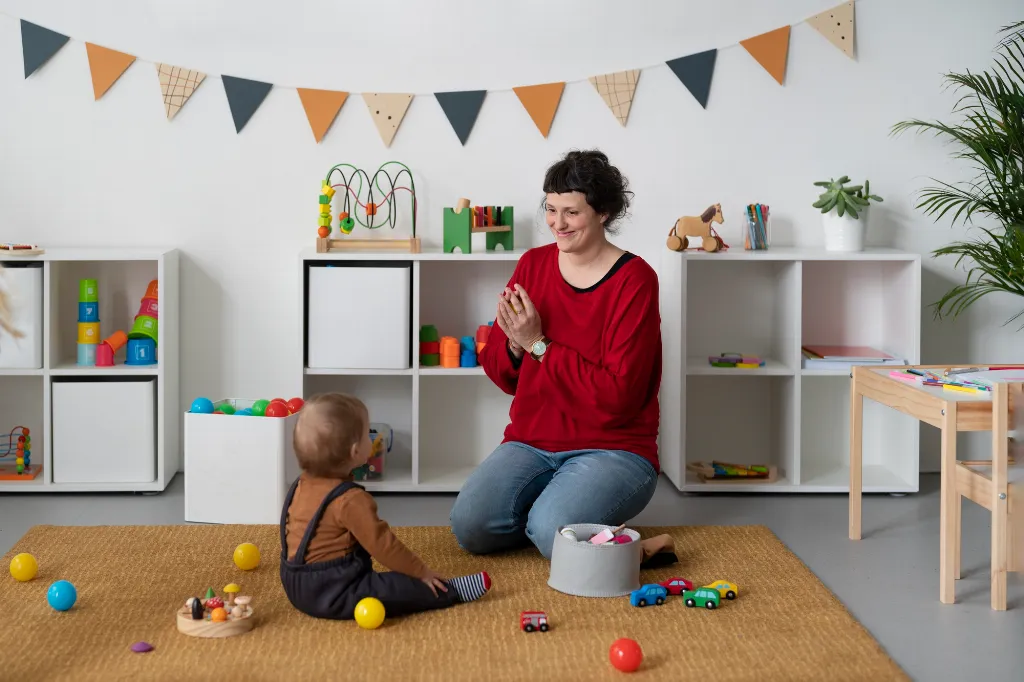
 Family child care providers wear many hats. You teach, clean, comfort, and keep track of many children at once. This article helps you with clear steps for staff-to-child #ratios and strong #supervision in a home setting. You will find practical ideas for safety, daily routines, mixed ages, and paperwork that helps during inspections.
Remember: state requirements vary - check your state licensing agency.
What are the right ratios in family child care and why do they matter?
1. Ratios tell you how many adults you need for the children in your care. Younger children need more adults. Family child care rules change by state and by program type. For quick state examples, see family home guides for California, Illinois, and Texas.
- 🛡️ Safety: Proper #ratios let adults see and reach children fast. Fewer children per adult reduces accidents.
- 📚 Learning: Smaller groups let you respond to each child’s needs and build relationships.
- 🔁 Stability: Clear ratios reduce stress and help you plan breaks and substitutes.
3. Simple actions you can take today:
- Post your day’s capacity and a live roster where staff can see it.
- Use a short count routine at arrival, transitions, and outdoor time.
- Plan an extra adult or a floater for busy times like nap or outdoor play.
For family child care tools and checklists, review resources at Safe Haven: Family Child Care resources and training courses listed on ChildCareEd.
How does active supervision keep children safe in a home setting?
1. Active supervision is more than watching. It is a plan. It has steps you do again and again. ChildCareEd explains this as position, scan, count, engage, anticipate, and listen in Active Supervision.
- 👀 Position: Stand where you can see most children and move often. Keep sight lines open by lowering tall furniture.
- 🔍 Scan and count: Scan every few minutes. Count children at every transition (doorways, bathrooms, end of outdoor time).
- 💬 Engage: Talk, sing, and join play. Engagement helps you notice changes in behavior or health.
- ⚠️ Anticipate: Know each child—who may wander, who needs help, and who loves climbing.
2. Use quick tools: post an Active Supervision poster or Guiding Questions from ChildCareEd so staff follow the same plan.
3. Safety where children explore outside: follow guidance from the CDC—shade, hydration, helmets for wheeled toys, constant eyes on water play, and age-appropriate equipment.
How do I manage mixed ages, transitions, and daily routines without losing sight of safety?
1. Mixed-age groups are common in family child care. The youngest child usually sets the staffing rule. That means if you have infants, staff planning must match infant ratios. See ChildCareEd guidance on mixed-age supervision: What does active supervision look like with mixed ages Buy Now $0.00.
2. Simple daily systems:
- 📌 Post a live roster that shows who is in each area of the home.
- 🕒 Build routines: arrival, snack, bathroom, nap, outdoor time with short predictable steps.
- 👥 Assign zones: name who watches playground, who watches sand/water, who handles diapering.
3. Transitions are high risk. To avoid slips:
- 🔁 Count at each doorway and gate.
- 🧭 Use simple songs or steps that keep children together.
- 👀 Place an extra adult at entrances during drop-off/pick-up when possible.
4. Common mistakes and how to avoid them:
- ❗ Trying to watch everywhere at once. Fix: use clear zones and a floater.
- ❗ Doing paperwork while supervising. Fix: schedule admin time outside child contact hours.
- ❗ Letting ratios slip during nap or bathroom breaks. Fix: plan for break coverage and overlap.
Training helps. ChildCareEd has courses for family child care and supervision, like Safe Supervision: Birth to School Age  Buy Now $24.00 and short modules on family home business skills at Staff/Child Ratio Buy Now $0.00.
How can I stay compliant, avoid pitfalls, and be ready for inspections?
1. Stay organized with a simple folder or binder. Include:
- 🗂️ Daily attendance and live rosters showing ages and rooms.
- 🗂️ Staff schedules, training certificates, and emergency forms.
- 🗂️ Signed permission slips for outdoor play, sunscreen, and water activities.
2. Inspection-ready checklist (short):
- 📎 Post capacity and staffing plan near the main door.
- 📎 Keep current first aid and CPR for staff and a first aid kit checklist from ChildCareEd resources (Safe Haven resources).
- 📎 Show your active supervision plan and staff roles during transitions.
3. State rules and staff: state requirements vary - check your state licensing agency. Many states have rules for family child care in their licensing code (examples: Maryland, New Mexico, Oklahoma).
4. FAQ:
- Q: How often should I count children? A: At every transition, door, and anytime groups change.
- Q: Can a helper or parent count in ratio? A: Only if they meet your state’s rules and are actively supervising.
- Q: What if I get short-staffed? A: Reduce group size, call a substitute, or close to new arrivals. Always follow your licensing rules.
- Q: Where can I get training? A: ChildCareEd courses and free resources are good places to start (ChildCareEd).
5. Final tips:
- ✅ Keep routines simple and visible.
- ✅ Train substitutes on your active supervision plan.
- ✅ Use zone charts and quick checklists so everyone knows who is watching whom.
Working with clear #ratios, steady #supervision, and organized systems helps you keep children safe and learning. Your #family child care can shine when you plan, teach your team, and practice simple checks every day. Children thrive when adults are calm, kind, and prepared. For more tools and training, visit ChildCareEd resources and courses linked above.
- Appropriate Precautions in Transportation of Children
- CDA Family Child Care Credential
- 1,2,3, Eyes on Me: Classroom Safety
- CDA Family Child Care Credential with Portfolio Review
- Marketing Your Family Child Care
- CDA Bridge Bundle: Family Child Care
- Texas Director Credential
- FCCLH Pre-Service Course
- Family Child Care: Building, Premises, and Outdoor Safety
- Regulaciones de Cuidado Infantil en Maryland para Centros y Hogares de Cuidado Infantil Familiar
- Regulaciones de Licenciamiento de Cuidado Infantil en California para Centros y Hogares de Cuidado Infantil Familiar
- Proporciones de Cuidado Infantil y Tamaños de Grupo por Edad en Maryland (Guía Rápida para Centros y Hogares)
- Proporciones de Cuidado Infantil y Tamaños de Grupo por Edad en Virginia (Guía Rápida para Centros y Hogares)
- Lista para Abrir una Guardería en Casa en Dakota del Norte: Cómo Empezar
- Lista para Abrir una Guardería en Casa en Georgia: Cómo Empezar
- Lista para Guardería en Casa en Texas: Cómo Iniciar una Guardería en el Hogar
- Consejos de Supervisión Activa para Salones de Preescolar y el Juego al Aire Libre
- Capacitación Previa al Servicio para Proveedores de Cuidado Infantil en Georgia
- Family Child Care Ratios: Safety, Supervision, and Care
- How did a backyard pool change water safety at California family child care homes?
- New Mexico Child Care Ratios and Group Sizes by Age: Home Daycare Guide
- MN Daycare Rules and Regulations 2026: Current Requirements and Upcoming Changes
- What Massachusetts EEC Regulations Do Child Care Providers Need to Follow?
- What Is the Difference Between Babysitting, Child Care at Home, and a Licensed Home Daycare?
- What Does Illinois DCFS Check Most Often During a Day Care Center Licensing Visit?
- What Do You Need to Open a Daycare at Home? Start With Your House, Not the Toys
- Title 22 Home Daycare Ratios: How Age Mix Changes Your California Capacity
- Child Care Facility Rules and Regulations DCF Practice Test: What Should You Study?
- Can Your Home Become a Daycare? What to Check Before You Apply for a License
