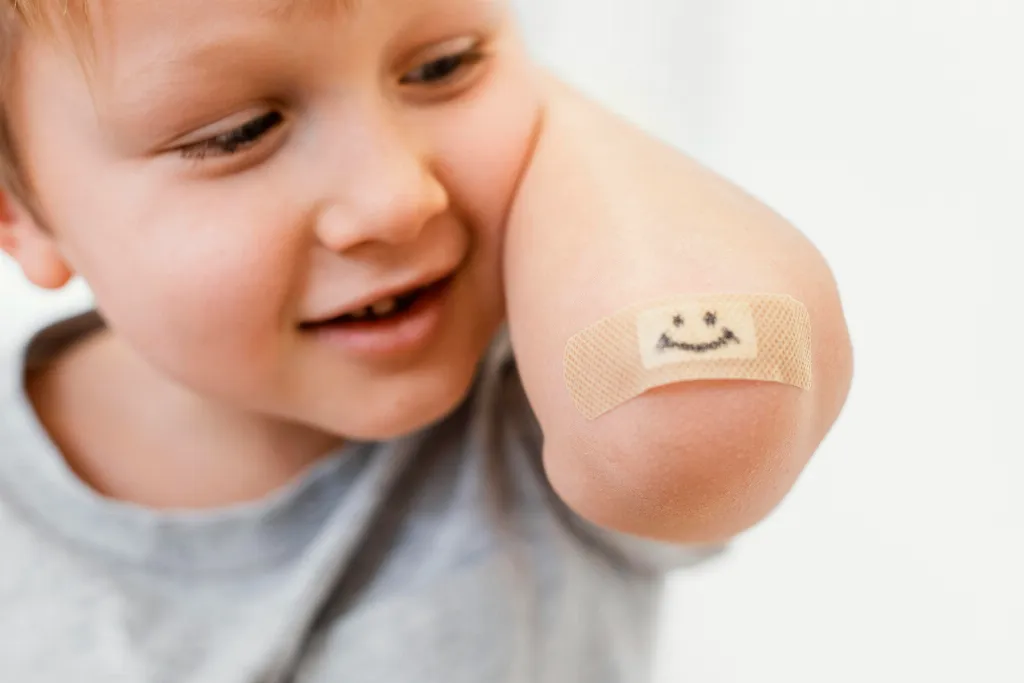
 Children get bumps, falls, and scrapes sometimes. When that happens, child care staff need to know what to do next.
A clear injury report helps you:
- protect the child
- inform the family
- support your staff
- keep better records
- learn how to prevent future accidents
Good reporting is part of strong child care practice. Clear documentation matters because it helps staff record what happened, what was observed, and how they responded.
Why does accurate injury reporting matter?
Accurate reporting matters for three big reasons.
First, it helps the child.
A good report shows what happened, when it happened, and what care was given.
Second, it helps families.
Families want clear and honest information about their child.
Third, it helps your program.
When reports are consistent, directors can spot patterns and fix safety problems before they happen again.
What should staff do right after a child gets hurt?
Staff should follow a simple step-by-step plan.
Here is a good routine:
- stay calm
- make sure the child is safe
- check the injury
- give first aid if needed
- call 911 for emergencies
- tell the director or supervisor
- contact the family based on your policy
- supervise the other children
- write down what happened as soon as possible
The most important thing is to care for the child first and document the event while the details are still fresh.
A helpful ChildCareEd training for emergency response is: Emergency and Disaster Preparedness- Online
This course teaches child care providers how to respond during emergencies and protect children’s safety.
When should a program call 911?
Call 911 right away if a child has signs of a serious emergency, such as:
- trouble breathing
- heavy bleeding
- loss of consciousness
- a seizure
- a serious head injury
- any condition that looks life-threatening
Programs should have a simple emergency plan so staff know exactly what to do in high-stress moments.
ChildCareEd also offers a related preparedness course: Creating an Emergency and Disaster Preparedness Plan
That course focuses on building an emergency plan for child care settings.
When should families be told about an injury?
Families should be told as soon as the program’s policy requires.
In general:
- call right away for serious injuries
- call right away if 911 is called
- call right away if the child may need more medical care
- send same-day notice for smaller injuries like minor bumps or scrapes
Clear and calm communication helps families trust your program.
It also helps to record:
- what time the family was called
- who made the call
- who answered
- what information was shared
What should be included in an accident or injury report?
A good report should be simple, factual, and complete.
It should include:
- the child’s name
- the date
- the time of the incident
- where the incident happened
- what happened
- what injury was seen
- what first aid was given
- who saw it happen
- who wrote the report
- when the family was notified
ChildCareEd’s accident report templates are built for this kind of clear documentation and include fields for incident details, cause of injury, and response steps.
A useful ChildCareEd resource is: Accident/Injury Report Template Buy Now $0.00
This template is designed for child care and early education settings to help staff report incidents quickly and clearly.
What words should staff use in an injury report?
Staff should use facts, not opinions.
That means writing:
- what they saw
- what they heard
- what they did
- what time things happened
For example, write:
“Child fell while running at 10:12 a.m. Small scrape on left knee. Washed area and applied bandage.”
Do not write guesses or opinions like:
- “The child was careless”
- “He was faking”
- “She always does this”
Clear writing protects the child, the family, and the staff member.
ChildCareEd’s mandated reporting article stresses the importance of documenting observations clearly and sticking to what was actually seen or heard.
How soon should the report be written?
The report should be written the same day, as soon as children are safe and the situation is under control.
Waiting too long can lead to:
- forgotten details
- missing times
- unclear information
- confusion later
Same-day reporting is one of the easiest ways to improve documentation quality.
For infants and toddlers, ChildCareEd also has a more specific sample form: Accident/ Injury Report for Infants and Toddlers: Sample Buy Now $0.00
This resource is designed for documenting incidents involving infants and toddlers in child care settings.
When does an injury report become a mandated report?
Not every injury is a mandated report.
But if staff suspect abuse or neglect, they may need to make a mandated report based on state law and program policy.
The key point is simple:
You are a reporter, not an investigator.
That means staff should report concerns based on what they observed, what the child said, and what signs were seen. ChildCareEd’s mandated reporting article explains that documentation should include observations, direct quotes when possible, and details about when and how the report was made.
A directly related ChildCareEd training course is: Mandated Reporters
This course teaches child care providers how to recognize and report child abuse and neglect.
A helpful related ChildCareEd article is: Mandated reporting: what to document and how to respond
That article explains what to document and how staff should respond to concerns about abuse or neglect.
What mistakes do programs make with accident reporting?
Here are a few common mistakes:
Waiting too long to write the report
This makes details easier to forget.
Using opinions instead of facts
This can create confusion and problems later.
Forgetting to record times
Times matter for first aid, parent contact, and follow-up.
Leaving out who was present
Witness names and staff names should be included.
Not storing reports safely
Incident reports should be kept secure and shared only with the people who need them.
These mistakes are common, but they are easy to improve with one clear form and a simple routine.
What ChildCareEd courses fit this topic best?
Here are 3 ChildCareEd training courses that match this topic well:
1. Mandated Reporters  Buy Now $16.00
This course helps staff understand when and how to report abuse or neglect concerns.
2. Emergency and Disaster Preparedness Buy Now $55.00$45.00
This course helps staff respond clearly during emergencies and protect children during serious incidents.
3. Creating an Emergency and Disaster Preparedness Plan Buy Now $16.00
This course supports programs that want a stronger written plan for emergencies and staff response.
Quick FAQ
How soon should an injury report be written?
The same day, as soon as the child is safe and the situation is under control.
What should staff avoid writing?
Avoid guesses, opinions, blame, or emotional language. Write only facts.
Should families always be notified?
Programs should follow their policy, but families should be told quickly about injuries, especially serious ones.
What is the best form to use?
Use one standard form every time. ChildCareEd offers accident and injury templates for birth to five, all ages, and infants and toddlers.
What should directors do next?
Here are simple next steps:
- choose one reporting form for your whole program
- train staff to write facts only
- review when to call families and 911
- practice reporting steps during staff meetings
- store reports safely
- review incident patterns regularly
These small habits can make reporting calmer, clearer, and more helpful for everyone.
Final takeaway
Good injury and accident reporting is simple: be quick, be clear, and be factual.
When staff know what to do, what to write, and who to notify, children are better protected and families feel more informed.
Clear reporting also helps programs learn, improve safety, and stay organized.
- Stay Alert! Steps for Emergency Prep
- CDA Family Child Care Credential with Portfolio Review
- Open Ears: Listening in Child Care
- CDA Bridge Bundle: Family Child Care
- 24 Hour Texas Pre-Service
- Creating Environments that Nurture Growth and Community
- Texas Director Credential
- Responding to Emergencies
- Supporting Families and Caregivers in Language and Literacy
- Transportation Safety
- CDA Certification en Español: Recursos y Consejos para Educadores Bilingües
- Qué capacitación se requiere para ser director de cuidado infantil en Texas?
- Capacitación en Línea con Certificado sobre Abuso y Negligencia
- Regulaciones de Licenciamiento de Cuidado Infantil en California para Centros y Hogares de Cuidado Infantil Familiar
- Reglas de Cuidado Infantil en Illinois
- Proporciones de Cuidado Infantil y Tamaños de Grupo por Edad en Maryland (Guía Rápida para Centros y Hogares)
- Lista para Guardería en Casa en Texas: Cómo Iniciar una Guardería en el Hogar
- Ejemplos de Crianza Respetuosa vs. Crianza Permisiva
- Consejos de Supervisión Activa para Salones de Preescolar y el Juego al Aire Libre
- Cómo Trabajar en el Cuidado Infantil en California: Requisitos y Pasos
- Capacitación Previa al Servicio para Proveedores de Cuidado Infantil en Nevada
- How do I start a daycare in Washington, D.C. as a new provider?
- Child Care Licensing Forms in Maryland: A Provider’s Guide
- New Child Care Regulations in Virginia for 2026
- What must Minnesota child care providers know about mandated reporting?
- What training do childcare center directors really need?
- Las Vegas-Level Alertness: Preventing Serious Injuries in Nevada Child Care Through Reporting, Supervision, and Safer Routines
- How do I track and report immunization records for child care in North Dakota?
- How do we document incidents and injuries the right way in Minnesota child care?
- Child Care Facility Rules and Regulations DCF Practice Test: What Should You Study?
