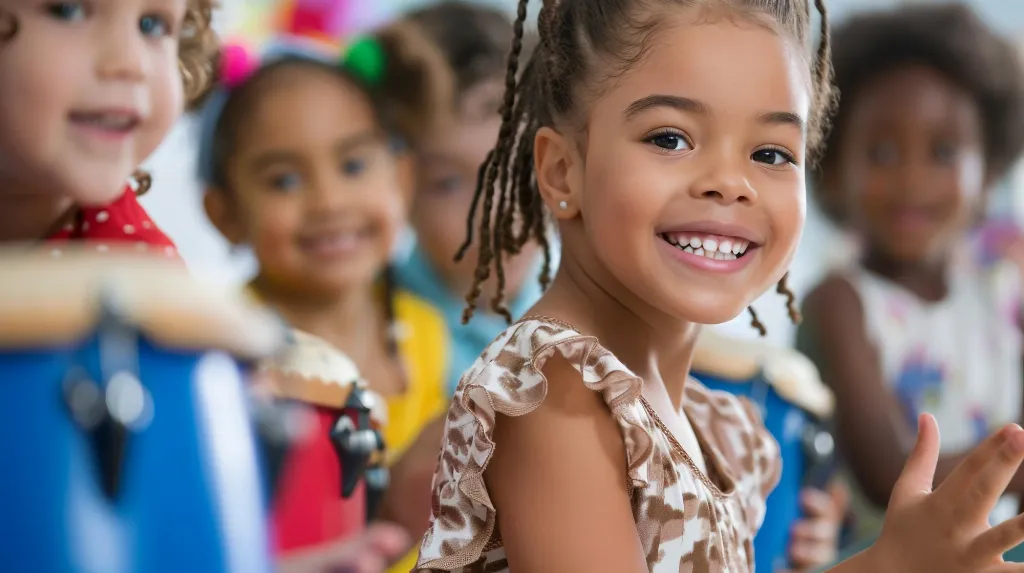
 Every child brings a story from home. That story includes food, songs, games, words, and ways of solving problems. In this article we explain, in simple steps, how #culture shapes a child’s growth. We also share practical ideas for child care providers and directors. The most important ideas here help children feel safe, proud, and ready to learn: #development #identity #families #inclusion.
See practical steps in How Culture Shapes Child Development.
How does culture shape a child’s sense of self and learning?
- Language and words
- Children learn ideas and feeling words from home. Bilingual homes give children extra ways to think and to solve problems. See research discussed at ECRP.
- Family roles and routines
- Some families teach children to be independent early. Others teach group help and teamwork. Both ways are strengths. Child care staff who know family routines can plan better learning times (for example, meal or nap rhythms) — see How Cultural Influences Shape Child Development.
- Emotion and behavior
- How children show feelings is learned. Some homes talk about feelings out loud. Others use calm and quiet. Teachers can teach children to read many kinds of signals so kids can get along with all friends.
- Play and learning styles
- Play may copy grown-up work, songs, or stories from home. Connecting play to home makes learning meaningful for children (see ChildCareEd ideas at Resources - Cultures in the Classroom).
Why these points matter: Culture shapes a child’s strengths and how they join the classroom. When teachers learn about family customs, children feel seen and learn better. Developing individualized learning plans that reflect each child's cultural background and abilities helps teachers translate family knowledge into clear classroom goals.
What practical steps can centers take to honor children’s cultures?
- 📸 Display family photos and special objects (with permission). This helps children see themselves in the room.
- 🗣️ Label shelves and areas in children's home languages, even one word helps. ChildCareEd suggests simple labels in How Culture Shapes Child Development.
- 🎶 Invite families to share songs, stories, or recipes. Use these in lesson plans so learning connects to home life.
- 📚 Choose books and materials that show many families and cultures. Avoid one-time celebrations. Make culture part of daily learning.
- 👥 Offer staff training on cultural awareness and coaching. Consider courses like Cultures in the Classroom
 Buy Now $24.00 or the training guide for families from diverse backgrounds at Training Guide for Families Buy Now $24.00.
 - 📆 Build family routines into schedules (meals, greetings, nap routines). This supports children’s sense of safety and trust.
State rules: state requirements vary - check your state licensing agency before changing meal or sleep routines. Also plan time for staff to practice new ideas. Coaching that matches staff culture works well — research on culturally relevant coaching shows better results for caregivers; see Making the Match.
What common mistakes should providers avoid and how can we fix them?
- ❌ Mistake: Treating culture like a single holiday each year.
- ✅ Fix: Make small daily choices that reflect many homes (books, music, labels). See ideas at Cultures in the Classroom resources.
- ❌ Mistake: Asking children to stop using their home language to speed English learning.
- ✅ Fix: Support home languages. Research warns that services can unintentionally put home languages at risk if programs don’t plan for them; read this concern at ECRP.
- ❌ Mistake: One-size-fits-all training for staff.
- ✅ Fix: Use culturally relevant coaching and short team sessions. Programs that coach staff in their own cultural context see stronger change; see Making the Match and tools like the cultural competence checklist at CECMHC.
- ❌ Mistake: Ignoring family knowledge.
- ✅ Fix: Ask families open questions and truly listen. Family partnership is one of the strongest actions a center can take.
How can programs build strong partnerships with families and community?
Family and community partnership is key. Here are steps that work well in many programs.
- 💬 Start with simple, respectful questions. For example: "What helps your child feel calm?" or "Which songs do you sing at home?"
- 📅 Offer flexible ways to participate: a 15-minute visit, a video of a grandparent reading, or a recipe note. Families are busy and may prefer different options.
- 🤝 Hire or invite community cultural leaders when possible. This supports children from Indigenous or other cultural groups; see the Indigenous Early Learning and Child Care Framework for ideas on Indigenous-led programs.
- 📘 Share simple guides with families about routines, safety, and development. Training guides such as Training Guide for Families Buy Now $24.00 can help providers explain child development in friendly ways.
- 🧑🏫 Provide staff time for community learning and coaching. Programs that include coaching plus training get better results than training alone; see research in Making the Match.
Working together builds trust. When families see their culture in the program, they are more likely to join activities and share ideas. That makes the whole program stronger.
Conclusion
Culture shapes every part of a child’s growth: how they speak, play, feel, and belong. Child care leaders can make simple changes to honor home cultures. Start small: a photo wall, labels in home languages, family songs, or short staff coaching. These actions help children feel safe and ready to learn. For more practical courses and resources, see ChildCareEd pages like How Culture Shapes Child Development and One World, Many Cultures! Buy Now $25.00
Quick FAQs (short answers):
- Q: Will supporting home language slow English learning? A: No. Supporting both languages helps children build skills. See ECRP research at ECRP.
- Q: What is one first step for busy staff? A: Add one label in a home language or a family photo corner.
- Q: How do I train staff on short notice? A: Use short coaching moments and share one resource from ChildCareEd each week.
- Q: Where do I check rules about mealtime or sleep routines? A: state requirements vary - check your state licensing agency.
Thank you for the care you give. Small, steady steps make classrooms places where every child is seen, proud, and ready to grow.
- Many Colors, One Canvas: MD ECE Conference
- Roots & Resilience: Understanding What Shapes a Child
- SIDS: Saving Babies: A Change of Position, A Change in Tradition
- Setting the Stage: Story Time
- CDA Bridge Bundle: Family Child Care without Portfolio Review
- CDA Bridge Bundle: Infant/Toddler without Portfolio Review
- CDA Bridge Bundle: Preschool without Portfolio Review
- Texas Director Credential
- CDA Infants/Toddlers: Stages of Development
- CDA Home Visitor Subject Area 8 Part 1 Birth to 5
- CDA Council's Early Educators Leadership Conference
- Tiny Tots, Big Learning: Crafting Curriculums for the Littlest Learners!
- CDA Certification en Español: Recursos y Consejos para Educadores Bilingües
- Why Health, Emotions & Learning Are Inseparable in Early Childhood
- 10 Ejemplos de Cómo la Cultura Influye en el Desarrollo Infantil
- Cómo Trabajar en el Cuidado Infantil en California: Requisitos y Pasos
- Cómo Ser Maestra de Preescolar en Illinois
- Social and Cultural Functions of Emotion in Young Children
- How Culture Shapes a Child’s Holistic Development
- How Can New York Providers Support Health, Family, and Learning Together?
- How Family Background Influences Babies’ and Children’s Development
- How Can I Help Children Understand Shapes and Patterns?
- What Is Developmentally Appropriate Practice—and What Does It Look Like?
- How Can Art Become a Meaningful Part of the Early Childhood Curriculum?
