A warm welcome, a patient response, or encouragement after a difficult task can make a meaningful difference in a child’s day. ChildCareEd’s Teach with Respect course explores nurturing relationships, the influence of teacher expectations, and ways to encourage children and help them resolve conflicts.
1) How do teachers build strong bonds that help children every day?
Teachers make a difference first by creating caring relationships. These are daily, short acts that add up. Try this 5-step habit teachers can use each day:
- 😊 Greet each child by name at arrival. A quick hello builds trust and belonging (greetings and rituals).
- 👀 Get down to child level to listen and make eye contact.
- 🗣️ Name feelings: say what you see ("You look sad") and offer a small choice.
- 👏 Give specific praise: label the action ("You shared the truck — thank you!").
- 🤝 Do one short play moment a day with each child — follow their lead for 1–3 minutes.
Why these work: warm, predictable interactions help children feel safe so they can learn. Research and practice guides such as CSEFEL highlight that brief, repeated warm interactions build trust and reduce behavior problems (see CSEFEL Brief #12). Teachers who use these habits create a calm classroom climate that helps all children — especially children facing stress. For tools and checklists you can use in staff meetings, visit How a Positive Classroom Changes Everything. These daily moves support your #teachers, your #children, your #relationships, #SEL, and the #classroom environment. To sustain staff morale and acknowledge everyday efforts, consider simple recognition practices — see Celebrating Teachers for practical, low-cost ideas to thank and honor your educators.
2) What simple routines and strategies make the biggest difference in learning and behavior?
Teachers make big changes with small routines. Pick one routine and teach it well. Use these steps to set routines that work:
- 🔁 Make 3–5 clear, positive rules (for example: "Be kind," "Use gentle hands").
- 🎯 Use a visual schedule at child height and review it each morning (CSEFEL What Works Brief #3).
- 🎶 Use short songs or cues for transitions (2-minute warning, 30-second cue, action).
- 🧰 Prepare labeled bins and a teacher basket with scripts for greetings, reminders, and praise.
- 📋 Track one goal per week (example: naming feelings) and celebrate small wins.
Common mistakes and fixes:
- ❌ Mistake: Too many rules. ✅ Fix: Keep 3–5. Teach and practice them.
- ❌ Mistake: Different adults use different words. ✅ Fix: Agree on one staff script for routines.
- ❌ Mistake: Skipping practice. ✅ Fix: Role-play transitions for 3–5 days so children know what to do.
Teachers who use clear routines reduce confusion and reduce meltdowns. See practical classroom management strategies at Effective Classroom Management Strategies. These ideas are simple to teach in a staff meeting and quick to try in the room.
3) How can teachers partner with families and community to support each child?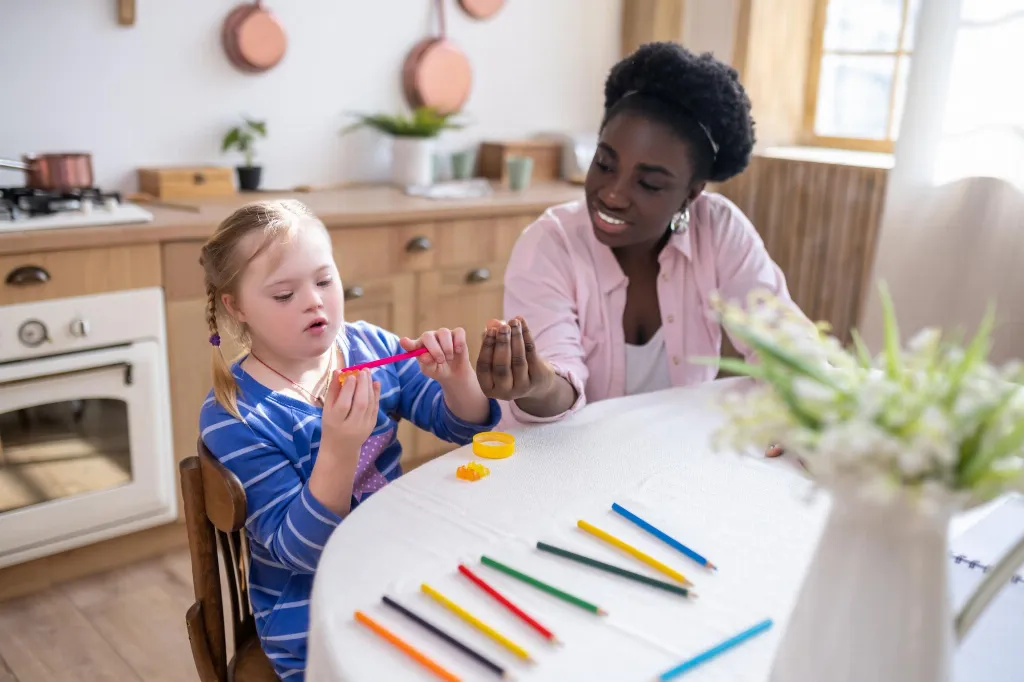
Teachers make a bigger difference when families and community join the work. Try these easy steps to partner well:
- 📞 Send a short daily or weekly note with one positive detail and one quick tip for home (Family partnership ideas).
- 👪 Invite families to share songs, books, or routines from home. Add family photos and labels in home languages.
- 📝 Use brief screenings when needed and refer early to supports — many guides suggest partnering with mental health consultants for harder concerns (SEL supports).
- 🤝 Build simple family workshops: 20–30 minute sessions on one idea (greeting routines, reading tips).
- 📚 Share resources staff can hand to families (printables, calm-down cards) so home and classroom use the same words.
Programs that include families see better child outcomes. For more ideas and ready-to-use handouts, check ChildCareEd free resources. And remember: state requirements vary - check your state licensing agency when you change family contact or screening practices.
4) How do teachers support long-term growth and why does it matter?
Every day, teachers add learning moments that stack over time. Here are 5 ways daily teacher actions support long-term success:
- 📖 Read and talk daily: short read-alouds and conversations build language and early literacy (language & literacy tips).
- 🧩 Use play to teach skills: pretend play builds social skills and problem-solving (see DAP strategies).
- 🧘 Teach self-regulation: calm corners, breathing, and one-on-one coaching help children manage big feelings (SEL supports).
- 🎓 Help staff grow: coaching and training boost teacher practice and keep good strategies in place (see the RAND commentary on ECE quality and coaching at RAND).
- 🌱 Partner with families and services: steady communication and early referrals prevent small challenges from growing.
Why it matters: high-quality early experiences change life paths. Reviews from the CDC and OECD show that strong early learning and warm teacher interactions improve children’s school readiness and later success (CDC). Teachers are the daily ingredient that makes quality programs work.
Summary
Teachers make a difference every day by: 1) building warm relationships, 2) teaching clear routines, 3) partnering with families, and 4) using short, powerful learning moments that add up. Practical next steps you can try this week:
- 😊 Add a 1–2 minute morning check-in with each child.
- 📚 Read one short book and teach one word.
- 🎶 Make one transition song and practice it for a week.
- 📞 Send one short positive note to families this week.
FAQ (short):
- Q: How long to see change? A: Small daily steps show change in weeks; habits grow over months.
- Q: What if staff resist new routines? A: Start with one simple routine, model it, and use coaching.
- Q: When to refer for extra help? A: If behavior or learning stops progressing after short supports, use screening and connect to specialists.
- Q: Where to learn more? A: See ChildCareEd courses and CSEFEL briefs linked above.
Your daily kindness, predictable routines, and teamwork with families are the core ways teachers change children’s lives. For ready tools, handouts, and trainings, visit the ChildCareEd pages linked in this article. Thank you for the steady care you give each child in your #classroom.
- Keeping Our Youngest Students Safe: The Vital Importance of Pediatric First Aid and CPR Training for Teachers
- A Lifeline for Little Ones: Why First Aid and CPR Training is Essential for Teachers and Parents
- Life-Saving Skills for Childcare Providers and Teachers: Why First Aid and CPR Matter
- Pediatric First Aid and CPR Training with ChildCareEd - Empower Yourself!!
- Save Lives With Skill: CPR Training
- Celebrating Teachers
- 🩺 Cumplimiento de Salud e Inmunización en Cuidado Infantil de Nevada ✔️
- ¿Cuáles son las mejores actividades del Día de la Tierra para niños en casa o en el aula?
- 10 Ejemplos de Cómo la Cultura Influye en el Desarrollo Infantil
- ¿Cómo solicito la licencia para una guardería en California?
- Lista para Guardería en Casa en California: Cómo Iniciar una Guardería en el Hogar
- Cómo Trabajar en el Cuidado Infantil en California: Requisitos y Pasos
- What Communication Skills Does Every Childcare Teacher Need?
- How can child care providers use the science of reading to boost early literacy in New York?
- Celebrando la amistad en el cuidado infantil durante el Día de los Mejores Amigos
- Diversión fresca de verano: actividades del Día Nacional del Helado para niños
- How Teachers Make a Difference in Children’s Lives Every Day
- What skills do preschoolers need to be ready for school?
