Every day in group care we want kids to feel safe, learn, and make friends. Good #behavior helps children join activities, learn skills, and enjoy school. As a director or caregiver you already do many things that help — friendly greetings, clear rules, and predictable routines. This article gives simple, practical steps you can use tomorrow with your team. Remember that state requirements vary - check your state licensing agency when you change discipline or record-keeping.
How can we teach and praise the behaviors we want?
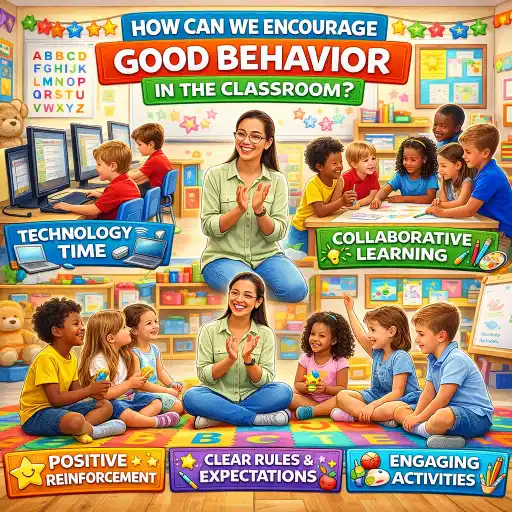 Teaching good behavior starts with showing children what to do and giving lots of positive attention when they try. Try these steps:
- 📘 Model the behavior. Show the words and actions you want. For example say, "Thank you for using walking feet," and show walking slowly.
- 👍 Give specific praise. Instead of "Good job," say, "I liked how you helped put blocks away." This helps kids know exactly what to repeat. This idea comes from the practice of acknowledging positive behaviors and is described in easy teacher guides.
- 🧭 Teach expectations with short lessons. Use 3–5 clear rules and teach them often. Tools like a classroom behavior poster or a behavior matrix help; see resources like tips for promoting positive behavior.
- 🎯 Use frequent quick feedback. Praise should happen many times each day so children earn attention for doing the right thing.
Why this matters: children learn best when adults notice and name what they do well. Research from the Center on the Social and Emotional Foundations for Early Learning shows that increasing positive attention reduces many problem behaviors over time. Keep notes and celebrate progress with your team.
What routines, visuals, and games help children follow expectations?
Routines and visuals make the day predictable. When kids know what will happen next, they feel safe and behave better. Try these practical ideas:
- 🖼️ Use a visual schedule. Picture schedules help children move between activities with less fuss. See a simple example at Using a Visual Schedule.
- 🎲 Play short behavior games. The Good Behavior Game is a team game that teaches children to follow rules while working — it is quick and builds teamwork.
- 🔁 Plan transitions. Give warnings ("5 minutes left") and use songs or timers. The CSEFEL transition brief explains how planned transitions cut down on tantrums and wandering (Helping Children Make Transitions).
- 🏆 Use group and individual rewards. Short, fair rewards (stickers, extra story time) keep motivation high. Use PBIS ideas for clear expectations and consistent acknowledgements (PBIS classroom strategies).
Quick checklist to try this week:
- Post a 3-rule poster where children can see it.
- Try a 5-minute Good Behavior Game during independent work.
- Use a visual schedule at one transition and praise the children who follow it.
These steps help children, especially DLLs and those who need structure, to feel successful. Use photos, simple drawings, or the child’s home language when possible.
Consider simple seasonal activities — for example, a May Basket Day exchange — as a short, inclusive group reward that practices sharing and following expectations; see May Basket Day for ideas.
When should we use firmer responses like time-out or behavior plans?
Most of the time, positive teaching and routines work best. But sometimes we need stronger steps for safety or repeated aggression. Follow a careful plan:
- 🔍 Start with prevention. Strengthen routines, give choices, teach replacement skills (use words instead of hitting). The CSEFEL communication brief explains how improving communication often reduces challenging behavior.
- 📝 Collect data. Count when a behavior happens and what comes before and after. Data help you choose the right response.
- ⚖️ Use time-out only as part of a bigger plan. The time-out brief says time-out is for serious behaviors and should come after teaching and other supports. It should be brief, calm, and followed by teaching.
- 🧩 When behavior keeps happening, create a behavior support plan. Teams (teacher, family, admin, consultant) may do a Functional Behavior Assessment and write a plan with replacement skills and rewards. PBIS tiered supports guide when to add more help (PBIS tiers).
- 👪 Involve families and specialists. Share goals and steps. Many ChildCareEd courses help staff learn strategies; see Managing Behaviors in the Classroom and training options like Turning Behavior Around Buy Now $25.00.
Note: children with ADHD or other needs may need accommodations (extra breaks, clear brief directions). The CDC offers school strategies for ADHD that fit in with positive classroom supports (CDC on ADHD).
How do we handle common challenges and avoid mistakes?
Every program faces bumps. Here are common mistakes and how to avoid them:
- 😕 Mistake: Praising only some children or saying vague praise. Fix: Be specific and fair. Record who gets positive attention so praise is shared.
- ⏱️ Mistake: Too many abrupt transitions. Fix: Cut transitions, use a visual schedule, and give countdowns.
- 📣 Mistake: Reacting strongly to every problem. Fix: Use planned ignoring for minor attention-seeking and stay calm during urgent incidents (safety first).
- 🧩 Mistake: Using time-out without teaching replacement skills. Fix: Teach the skill you want, then use brief calm consequences if needed. Follow guidance from CSEFEL.
How to keep improving (quick steps):
- 📊 Track behavior and praise counts weekly.
- 👥 Meet with staff every 1–2 weeks to review data and tweak plans.
- 📚 Use short trainings or courses (see Classroom Management is Collaboration
 Buy Now $16.00).
FAQ
- Q: How long before I see change? A: Often you see small wins in days; consistent change takes weeks of practice.
- Q: What if a family disagrees with the plan? A: Invite them to review data and involve them in making goals.
- Q: Are rewards okay every day? A: Yes at first. Gradually move to natural rewards (praise, roles) so behavior lasts.
- Q: Can all teachers use the Good Behavior Game? A: Yes — it’s flexible and supported by research; read about it at Good Behavior Game.
Why it matters: When adults teach clearly, notice small successes, and work as a team, children feel safe and can learn social skills that last a lifetime. Your effort to track, teach, and praise builds the foundation for stronger classrooms and happier #children and #teachers.
Conclusion
Use simple steps: teach the rule, show it, praise it, and practice routines. Start with one behavior and one transition this week. Keep notes, involve families, and use free or low-cost resources from child care and PBIS sites. For training and tools you can use now, see Effective Classroom Management Strategies and other ChildCareEd resources. Small, steady changes help your #classroom feel calmer and make learning time better for every child.
- Behind the Scenes: Baby Routines ONLINE
- Moving About the Classroom: Effective Transitions for Everyday
- Bienvenido! Welcoming All Families
- 1,2,3, Eyes on Me: Classroom Safety
- CDA Infants/Toddlers: Importance of Consistent Care
- Injury Prevention: Their Safety Is In Your Hands
- 24 Hour Texas Pre-Service
- Classroom Setup for Child Care
- Positive Attention: Interactions & Supervision for Infants & Toddlers
- Texas Director Credential
- Super Special School Agers
- Trauma-Informed Care: Why Your Classroom Isn’t Complete Without a Little Extra Empathy
- New Year, Fewer Tantrums: Tips for Building Strong Parent-Educator Partnerships in 2025
- CDA Certification en Español: Recursos y Consejos para Educadores Bilingües
- Behavior Management Techniques That Align with Developmentally Appropriate Practice
- How do we observe with purpose in early childhood assessment?
- How can we handle challenging behaviors in the classroom?
- How can prevention plans help stop tantrums in the classroom?
- 10 Ejemplos de Cómo la Cultura Influye en el Desarrollo Infantil
- Challenging Behaviors in Florida Preschool Classrooms: What Works Beyond Time-Out?
- What Should You Do When a Child Refuses to Participate in North Dakota Childcare?
- How Can Oklahoma Early Childhood Educators Use Classroom Management Strategies to Support Young Learners?
- How can child care programs promote nutrition and healthy eating habits?
- How can we encourage good behavior in the classroom?
- How Can We Encourage Good Behavior in the Classroom?
- How Can You Create a Classroom That Teaches Kindness Without a Lesson Plan?
- How Can Child Care Providers Encourage Positive Behavior Without Relying on Rewards All the Time?
- When Is a Child’s Behavior a Developmental Concern?
