Good behavior helps every child learn and feel safe. This article gives easy, practical ideas for child care providers and directors. You will find steps you can try tomorrow, quick lists to share with staff, and links to helpful resources. We use simple words so everyone can use these ideas right away. You will see five key hashtags: #behavior #children #teachers #classroom #SEL.
Why it matters: Positive behavior makes the day calmer and keeps children learning. When adults teach, notice, and practice good behavior, kids feel proud and try harder. Strong routines and kind words save time and reduce stress for staff and families. For more ideas about building structure and respectful guidance, see Proactive Behavior Guidance.
How do I set clear expectations and routines so children know what to do?
- Make 3 simple rules. Example: "Be safe, be kind, help clean up." Post them where kids can see. (See ideas at Managing Behaviors.)
- Teach each rule with a short lesson and a practice moment. Use role play or a picture chart.
- Use a visual schedule for the day. Show photos for each activity. Children follow pictures more easily than words.
- Make transition cues: a song, a bell, or a 3-2-1 countdown. Practice the cue so children know what to do.
- Keep routines the same as much as possible. If you must change the plan, give a warning: "Two more minutes to play, then clean up."
Small steps you can try today:
- 🔔 Start a short cleanup song for tidying up.
- 🙂 Greet each child by name at arrival to build trust.
- 📷 Use photos on your schedule so non-readers can follow along.
Why this helps: Routines reduce surprises and help children feel safe. When kids know what to expect, they can focus on learning and play. For ideas on teaching expectations and routines, check the PBIS classroom strategies.
How do I notice and reinforce good behavior so kids repeat it?
- Decide what to notice. Pick 1 or 2 behaviors to focus on for a week (e.g., sharing, lining up quietly).
- Catch children being good. When you see the behavior, say something specific: "I like how Maya shared the truck. Thank you!" (This idea comes from the CSEFEL brief on praising positive behavior: CSEFEL Acknowledging Positive Behaviors.)
- Use short, frequent rewards: a sticker, a high-five, a special helper job. Keep rewards small and immediate.
- Try a simple team game for focus time, like the Good Behavior Game, to build teamwork and self-monitoring (Good Behavior Game).
Quick tips:
- 🎉 Praise at least 4 times more often than you correct. Kids need more positive attention.
- 👍 Be specific: name the behavior and the feeling or result.
- 🕒 Give attention right away so children connect the praise to the action.
Where to learn more: ChildCareEd has helpful posts on promoting positive behavior and classroom strategies (Promoting Positive Behavior, Managing Behaviors).
What should I do when a child shows challenging behavior?
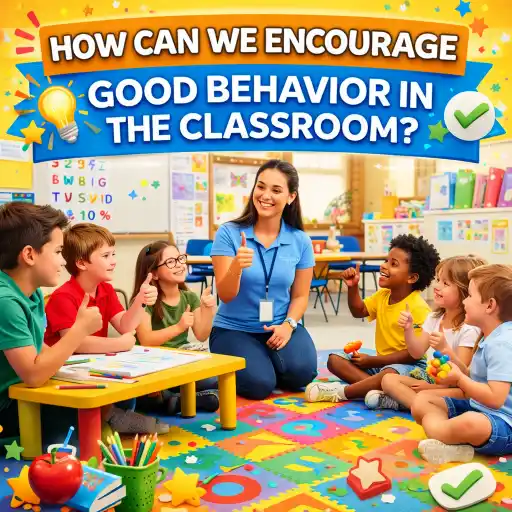
Challenging behavior can mean a child is upset, tired, or needs a skill. Use calm steps that teach new skills instead of just punishing. Here are practical steps:
- Keep everyone safe first. If a child is hurting others, intervene quickly and calmly.
- Look for why the behavior happens. Note what happens before and after the behavior to find the trigger. The CSEFEL briefs explain how to watch and record behavior: Positive Behavior Support.
- Use prevention: change the environment or routine so the trigger is less likely (for example, offer a quiet spot if noise is a problem).
- Teach the child a new skill to get the same need met (sharing words, asking for help, a calm-down strategy).
- If needed, add extra support: small-group lessons or brief check-ins for children who need more help. See PBIS tiered supports for ideas (PBIS Tiers).
Common mistakes and how to avoid them:
- 🚫 Mistake: Giving lots of attention to the problem. Fix: Notice and praise the good behavior instead.
- 🚫 Mistake: Changing rules often. Fix: Keep expectations steady and practice them.
- 🚫 Mistake: Using only punishments. Fix: Teach replacement skills and use natural consequences.
For children with special needs like ADHD, use classroom strategies, structure, and close team work with families and specialists (CDC on ADHD in the classroom).
For practical classroom accommodations and step-by-step strategies tailored to children with special needs (including ADHD), see our Children with Special Needs guide.
How can I partner with families and staff so the plan works everywhere?
Behavior stays steady when families and staff use the same signals and language. Follow these steps:
- Talk early and often. Share simple routines and expectations at enrollment and during check-ins. ChildCareEd explains family engagement ideas: Family Engagement Strategies.
- Use clear notes or a small daily report to tell families one positive thing and one thing to practice.
- Invite families to share what works at home. Add their ideas to your plan so it fits the child.
- Train staff the same way. Practice specific phrases and steps with your team so everyone responds the same way.
- When behavior is persistent, use a team approach: teacher, director, family, and if needed, a specialist. Positive Behavior Support and PBIS teams can help make plans that work across settings (Classroom Management is Collaboration
 Buy Now $16.00, Pyramid Model resources).
Note: state requirements vary - check your state licensing agency for rules about supervision, documentation, and restraint policies.
Conclusion: What should I start with this week?
1) Pick 2 simple rules and post them. 2) Teach the rules with a short practice. 3) Notice and praise the good choices (specific praise). 4) Talk with one family and share one positive note each day.
Helpful resources to bookmark:
- Proactive Behavior Guidance (ChildCareEd)
- CSEFEL brief on acknowledging positive behaviors
- Good Behavior Game
FAQ
- How long before I see change? You may see small changes in days and stronger change in weeks if you stay consistent.
- What if staff don’t agree? Do a short team meeting and practice one step at a time. Start small and build trust.
- How do I keep track? Use a simple tally sheet for praise and problem moments each day for one week.
- When do I get help? If behavior keeps hurting learning, bring the family and a specialist together for a plan like PBS or a PBIS team.
- Where to learn more? ChildCareEd has courses and free resources to help staff build skills: ChildCareEd.
You are doing important work. Small, steady steps make big changes. Celebrate the wins — for children and for your team.
Noticing good behavior is powerful. Children want adult attention. If we give attention to the right things, those behaviors grow. Try these steps:Clear rules and routines help children know what comes next. Follow these steps to make routines that work:- Behind the Scenes: Baby Routines ONLINE
- 45 Hour Child Growth and Development
- Easy Steps to Resume and Interview Success
- Legal & Ethical Essentials in Child Care
- 45-Hour Infant and Toddler Curriculum
- Connections That Count: Building Relationships in Child Care
- Texas Director Credential
- Anxiety: Signs & Strategies
- Professional Integrity in Child Care
- Super Special School Agers
- Trauma-Informed Care: Why Your Classroom Isn’t Complete Without a Little Extra Empathy
- New Year, Fewer Tantrums: Tips for Building Strong Parent-Educator Partnerships in 2025
- CDA Certification en Español: Recursos y Consejos para Educadores Bilingües
- Behavior Management Techniques That Align with Developmentally Appropriate Practice
- How do we observe with purpose in early childhood assessment?
- How can we handle challenging behaviors in the classroom?
- How can prevention plans help stop tantrums in the classroom?
- 10 Ejemplos de Cómo la Cultura Influye en el Desarrollo Infantil
- Challenging Behaviors in Florida Preschool Classrooms: What Works Beyond Time-Out?
- What Should You Do When a Child Refuses to Participate in North Dakota Childcare?
- How Can Oklahoma Early Childhood Educators Use Classroom Management Strategies to Support Young Learners?
- How can child care programs promote nutrition and healthy eating habits?
- How can we encourage good behavior in the classroom?
- How Can We Encourage Good Behavior in the Classroom?
- How Can You Create a Classroom That Teaches Kindness Without a Lesson Plan?
- How Can Child Care Providers Encourage Positive Behavior Without Relying on Rewards All the Time?
- When Is a Child’s Behavior a Developmental Concern?
