Losing can feel enormous to a young child, even when the game was meant to be tantrums to Triumphs: Equipping Preschoolers with Self-Regulation Skills Buy Now $25.00 offers practical strategies for strengthening classroom practice. For a broader foundation in children’s social-emotional development, explore CDA Subject Area 3  Buy Now $80.00, a 10-hour course that supports professional learning in this area.
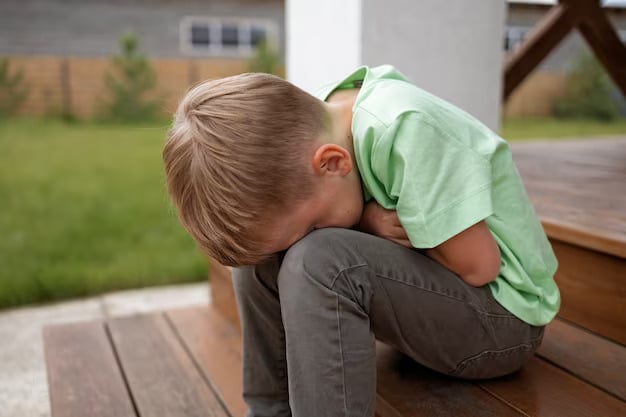
When a child cries, argues about the score, or refuses to keep playing after a loss, it can be hard to know whether to comfort, correct, or step back. A supportive response does all three in the right order: first protect safety and acknowledge the feeling, then help the child settle, and later teach a more useful response. Losing is not a character flaw; it is an opportunity to practice skills that are still developing.
Why can losing feel so difficult for young children?
Games ask children to manage several demands at once: remember rules, wait, take turns, tolerate uncertainty, notice other players’ actions, and accept an outcome they did not choose. Those abilities develop over time. A child may understand the rule that “someone wins” but still find the actual disappointment overwhelming, especially when tired, excited, or playing in front of peers.
Emotional reactions can also reflect the game itself. A long game may make the outcome feel more significant; unclear rules can create arguments about fairness; and a child who rarely wins may start to avoid playing altogether. Notice patterns without labeling the child a “sore loser.” Ask what kinds of games, settings, or group sizes seem easier or harder, and consider whether a child needs more structure, practice, or a way to communicate a break.
Support matters because children learn regulation in relationships. A warm adult helps a child feel understood while maintaining clear expectations for safe behavior. Over time, children can learn that disappointment is temporary, losing is part of play, and their worth is not determined by the score. This builds #resilience and strengthens peer relationships.
What should a teacher do in the moment?
When a child is highly upset, lengthy reasoning rarely helps. Keep your voice calm, use brief language, and address safety first. Move close enough to support without crowding the child, and prevent hitting, throwing, or damaging materials. A clear limit can be both kind and firm: “You are angry. I won’t let you throw the game pieces.”
Next, acknowledge the child’s experience without trying to erase it. Try, “You really wanted to win. Losing feels disappointing.” Validation does not mean agreeing that the game was unfair or allowing unsafe behavior. It tells the child that the adult sees the feeling and will help them through it.
- Offer one or two familiar calming choices: “Would you like to breathe with me or sit beside me for a minute?”
- Give the child time and space to recover while maintaining supervision and connection.
- Use simple feeling words and accept gestures, pictures, or silence as communication.
- Wait until the child is calmer before discussing rules, consequences, or what to try n
 ext.
Some children want a reassuring presence; others need a little space with a trusted adult nearby. Follow the child’s cues while keeping the group safe. Guidance on helping children handle disappointment also emphasizes acknowledging feelings, offering confidence and support, and encouraging children to recall coping strategies that have helped before.
How can teachers prepare children before a game?
Preparation reduces surprise and gives children a chance to practice expectations when they are calm. Before starting, briefly explain the rules, how the game ends, and what players can do whether they win or lose. Avoid promising a particular outcome or implying that winning is the main measure of success. Instead, identify a shared goal such as taking turns, trying a new strategy, or being kind to other players.
Choose games that fit the group’s current abilities. Short, low-stakes games create frequent chances to practice beginning, ending, and trying again. Cooperative games can provide a helpful starting point for children who find competition especially stressful. Gradually introduce competitive play as children build confidence and coping skills. Keep rules visible or demonstrate them with a quick practice round; consistency helps prevent disputes about fairness.
Model realistic sportsmanship yourself. Adults do not need to pretend they never feel disappointed. A genuine response such as “I wanted to win, and I’m disappointed. I can still say, ‘Good game’” shows that feelings and respectful actions can coexist. Praise observable effort and behavior, not just the result:
- “You waited for your turn, even when you were excited.”
- “You kept playing after the first round didn’t go your way.”
- “You congratulated your friend and helped put the game away.”
These expectations make games a setting for practicing #sportsmanship rather than a test of character. Useful guidance on teaching children to cope with losing games likewise emphasizes adult modeling, effort-based praise, and normalizing the fact that everyone wins and loses sometimes.
How can play and reflection teach coping skills?
Children need practice when the emotional stakes are low. Use puppets, stories, drawings, and short role-plays to explore what a character might feel after losing and what they could do next. A puppet can say, “I feel mad because I wanted to win,” then try taking a breath, asking for help, or congratulating another player. These activities let children rehearse useful words without being put on the spot about a recent incident.
Teach a small set of phrases children can realistically remember. Depending on age and communication style, these might include “I’m disappointed,” “Can I have a break?” “Good game,” or “Let’s play again.” Pair words with an action: slow breathing, getting a drink of water, drawing, moving to a quiet supervised area, or asking a trusted adult for support. Practice the strategy during calm parts of the day; expecting a child to learn it for the first time while overwhelmed is unlikely to work.
After the child has recovered, keep reflection brief and curious. Ask, “What part was fun?” “What felt hard?” or “What could help next time?” Avoid a post-game interrogation or immediate critique of the child’s performance. The goal is to notice what happened and identify one next step—not to make the child feel ashamed.
- 🎭 Use a puppet to rehearse a respectful response to losing.
- 📚 Pause during a story and wonder how a character might feel after a setback.
- 🎨 Invite children to draw what disappointment feels like and what helps them feel ready to try again.
Practice turns coping into a learnable routine and supports growing #selfregulation.
What common pitfalls should providers avoid?
It is understandable to want to prevent a child’s distress, particularly when peers are watching. Still, automatically changing the result, letting a child win every time, or ending all games at the first sign of disappointment may communicate that the child cannot manage a loss. At the same time, forcing a child to continue while highly distressed or using public correction can increase pressure. Aim for supported practice: make the game manageable, stay available, and adjust the challenge as needed.
Avoid dismissive statements such as “It’s only a game,” “Stop being a baby,” or “You’re fine.” They may shut down communication rather than teach coping. Comparisons with siblings or classmates can also intensify shame. Instead, name the feeling, set a limit on unsafe behavior, and notice a specific step toward recovery.
Do not demand an apology or a cheerful “good game” while the child is still escalated. Teach respectful language ahead of time, then invite the child to use it once they are ready. If a peer was affected, support repair in a developmentally appropriate way—such as helping put pieces back or checking whether the other child is okay—without turning the moment into a public lesson.
Children vary in temperament, language, sensory needs, and experience. Offer alternative ways to participate, such as watching a round, using visual rules, choosing a partner, or taking a planned break. If intense or unsafe reactions happen frequently, document the context and strategies that help, then collaborate with the family and program team. State requirements vary - check your state licensing agency when questions involve program procedures or required training.
How can teachers build a classroom culture that supports everyone?
A healthy game culture values enjoyment, learning, fairness, and connection—not simply who finishes first. Establish a few shared expectations with children: we use safe hands, follow the agreed rules, encourage one another, and can feel disappointed while treating others respectfully. Make these expectations visible with simple words or pictures and reinforce them consistently across games and staff.
Plan opportunities for children to experience different kinds of success. Rotate leadership roles, include cooperative challenges, and recognize persistence, patience, fair play, and helpful teamwork. Avoid assigning a child a fixed identity based on one difficult moment. A child who struggles today may show progress next week with a familiar game, trusted partner, or visual prompt.
Directors can support staff by discussing common language and responses during team meetings. Briefly review what tends to happen before a child becomes upset, what adults tried, and what helped the child rejoin play. Share observations with families respectfully and invite their knowledge of the child’s preferences and calming strategies. For additional professional learning, consider Opportunity for Growth: Emotional Development Buy Now $16.00, which focuses on young children’s emotional and social development, or Self-Regulation & Change: Helping Children Cope Buy Now $16.00 for strategies related to coping and responsive care.
Conclusion: How can teachers support children who become upset when they lose?
Teachers support children by treating losing as a teachable moment, not a behavior label. Prepare children with clear expectations and manageable games; during distress, prioritize safety, connection, and co-regulation; after recovery, help children reflect briefly and practice a useful response. Model respectful reactions and recognize effort, kindness, and recovery as meaningful parts of the game.
The central goal is not to make children enjoy every loss or suppress disappointment. It is to help them experience a difficult feeling with adult support, communicate what they need, and return to play when ready. With repeated, compassionate practice, children can build #coping skills and learn that a game’s result does not define their value—or take away the fun of playing together.
- CDA Home Visitor Subject Area 2 Part 3 Birth to 5
- Building Equity: Inclusionary Practices in Preschool
- Bienvenido! Welcoming All Families
- From Tantrums to Triumphs: Equipping Preschoolers with Self-Regulation Skills
- Birth to Five CDA Credential with Portfolio Review
- CDA Bridge Bundle: Preschool
- CDA Bridge Bundle: Family Child Care without Portfolio Review
- CDA Bridge Bundle: Infant/Toddler without Portfolio Review
- CDA Bridge Bundle: Preschool without Portfolio Review
- Access for All: Inclusion and the ADA
- CDA Certification en Español: Recursos y Consejos para Educadores Bilingües
- Using Reflective Listening to Defuse Tantrums
- 🔍 ¿Qué ves cuando observas a un niño aprender?
- 💛🧩 ¿Cómo puedo hacer que mi enseñanza sea inclusiva para los niños con autismo?
- Recursos en Español sobre el Sueño Seguro del Bebé
- Cómo Celebrar el Día Nacional del Kindergarten
- Consejos de Supervisión Activa para Salones de Preescolar y el Juego al Aire Libre
- Retraso del Habla en la Guardería: Cómo Pueden Ayudar los Proveedores
- Celebrando la amistad en el cuidado infantil durante el Día de los Mejores Amigos
- Canciones, juegos y preguntas de círculo para niños
- Can You Guess the Feeling? Emotion Games for Pre-K Kids
- How Can Bingo Games Support Turn-Taking and Social Skills?
- Why Are Children Struggling More With Self-Regulation?
- How Can Giving Children Real Choices Help Them Calm Down?
- Why Do Memory Games Support Attention and Working Memory?
- How Can Dinosaur-Themed Group Games Build Vocabulary and Turn-Taking?
- What Does a Memory Game Reveal About How Children Approach a Challenge?
- How Can Teachers Help Children Rejoin Play After a Conflict?
- How Can Teachers Support Children Who Become Upset When They Lose a Game?
