Transportation time is busy and small mistakes can become big problems. This article gives clear, simple steps child care providers and directors can use to plan safe rides, walks, and field trips. Use these ideas as a checklist you can run through every trip.
Why it matters: 1) Safe trips protect children and families. 2) Good routines lower staff stress. 3) Clear plans help during inspections and emergencies. For practical guidance and templates see How can child care programs keep children safe during transportation? and the Field Trip Permission Slip from ChildCareEd. State rules differ — state requirements vary - check your state licensing agency.
Remember these five words: #transportation #safety #supervision #carseats #permission.
1) What paperwork and gear do we need before we leave?
- 📋 Signed permission: Include child name, destination, date, travel mode, and parent signature. Use the ChildCareEd Field Trip Permission Slip as a model.
- 🩺 Emergency & health info: Pack allergy notes, medication authorizations, and doctor/phone numbers. Keep labeled meds with proper forms.
- 🧰 First aid and roster: Bring a small kit, printed roster, and a map. ChildCareEd free resources list useful checklists: Transportation and Field Trip Safety resources.
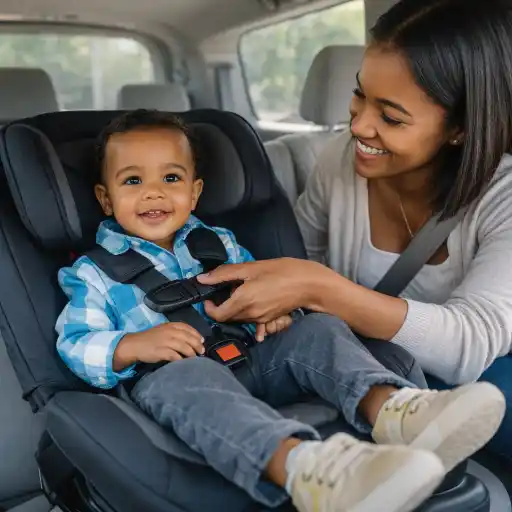
- 🔒 Restraints & seats: Have the right car seats or boosters for each child and follow manufacturer and state rules. See general guidance at the CDC child passenger safety page and ChildCareEd regulations like the Maryland transportation rules Buy Now $0.00 for examples.
- 🔋 Backup tech: Charged phone, spare battery, and a printed roster if signal is low.
Quick routine: 1) Check packets the day before. 2) Confirm permissions returned. 3) Assign roles (leader, counter, med holder). This short list helps you avoid last-minute problems.
2) What rules keep children safe while loading, riding, and unloading?
- At the stop or pickup point:
- Stand about three giant steps (≈6 feet) from the curb while waiting. (See ChildCareEd tips.)
- Use a buddy system and name one adult to watch the group.
- Getting on and off:
- Wait until the vehicle is stopped and the door opens. Use handrails.
- Cross in front of the vehicle at least 10 feet and make eye contact with the driver before crossing.
- On the vehicle:
- ❤️ Buckle up or use harnesses when available (count children at key points).
- Keep aisles clear and voices low; children stay seated with bodies inside the vehicle.
- Staff checks:
- Assign roles and do a role check before leaving. Practice emergency drills for loading/unloading.
These rules are summarized in ChildCareEd's Transportation Safety guidance and course materials. Run a simple 4-step head count: 1) before leaving, 2) after loading, 3) after arrival, 4) before returning.
3) How do we include children with health needs or disabilities safely?
Children with medical needs should join trips with careful planning. Involve families early and write the plan down.
- Meet the family:
- Ask about medical plans, calming strategies, and equipment needs. Add notes to the child’s trip card and get written consents.
- Prepare paperwork:
- Bring medication authorizations, an IEP/IFSP note if needed, and a copy of the child’s emergency plan. ChildCareEd has inclusion tips in their Appropriate Precautions resources.
- Train staff:
- Ensure at least one adult knows how to use devices (EpiPen, inhaler) and follows the child’s plan.
- Plan seating and gear:
- Confirm specialized seating fits the vehicle and staff know how to secure it. Follow manufacturer instructions and state law — state requirements vary - check your state licensing agency.
- Assign a buddy:
- Have a trained adult stay close and watch for signs of stress. Communicate roles before you leave.
With planning, trips can be calm and inclusive. See ChildCareEd's Transportation Safety article and the Appropriate Precautions resources for checklists and forms.
4) How do we plan, supervise, and avoid common mistakes?
Good planning prevents most problems. Use this numbered plan before each trip and rehearse it with staff.
- Pick a clear learning goal so the trip stays short and focused.
- Set written staff ratios and roles. Add one extra adult for transitions when possible.
- Pack the leader packet: signed slips, roster, meds, first aid, phone, map, and a printed emergency card for each child.
- Practice counting routines: 1) before leaving the room, 2) after loading, 3) after arrival, 4) before returning.
- Run a checklist the day before and the morning of the trip: forms in, meds packed, seats checked, staff assigned.
Common mistakes and fixes:
- ❌ Missing signatures — Fix: track returned forms and follow up early.
- ❌ Vague transportation notes — Fix: name the vehicle type and seat/seatbelt plan on the permission slip (see the ChildCareEd permission slip).
- ❌ Forgetting meds — Fix: assign one person to confirm meds the morning of departure.
- ❌ Poor role clarity — Fix: write staff names and responsibilities on the trip plan.
Training helps. ChildCareEd offers courses like Appropriate Precautions in Transportation  Buy Now $10.00 and Transportation Safety Buy Now $16.00 to build skills and confidence.
Conclusion and FAQ
Summary: Build routines, pack a leader packet, teach simple rules, check restraints, and plan for special needs. Keep parents informed and practice head counts every trip.
Quick checklist:
- 📋 Permission slips collected and filed.
- 🩺 Medical forms and meds labeled and packed.
- 🔒 Car seats and restraints checked (follow CDC guidance and state law).
- 👥 Staff roles written and shared.
- 🔢 Head count routine rehearsed.
FAQ:
- Q: Can parents sign electronically? A: Often yes if your state and licensing allow it — state requirements vary - check your state licensing agency.
- Q: Do we always need extra adults? A: Follow licensing ratios and add help for transitions when possible.
- Q: What if a child refuses a seatbelt? A: Use calm strategies and family plans; never compromise restraints.
- Q: Who carries the first aid kit? A: The trip leader and a designated backup adult.
For templates, checklists, and training, start with ChildCareEd resources: Transportation Safety, Field Trip Permission Slip, and the free Transportation resources. When staff are prepared, children can explore with confidence and joy.
Before any trip, make a small leader packet so staff can find things fast. Use numbered lists and one person in charge of the packet.Teach short, repeatable rules in the classroom so children know what to do. Practice these with short drills and songs.- Appropriate Precautions in Transportation of Children
- Transportation and Field Trip Safety
- Mastering Supervision: Keeping Children Safe in All Settings
- Transportation and Field Trip Safety in the Early Childhood Environment
- Safe Supervision in Child Care: Birth to School Age
- Texas Director Credential
- Enriching Education: Field Trips
- Mindful Supervision: Balancing Safety & Independence in Montessori
- Vehicle Safety Tips for Summer
- Recursos en Español sobre el Sueño Seguro del Bebé
- Nevada Child Care Transportation Rules: Field Trip Forms, Car Seats, Supervision
- Proporciones de Cuidado Infantil y Tamaños de Grupo por Edad en Virginia (Guía Rápida para Centros y Hogares)
- Consejos de Supervisión Activa para Salones de Preescolar y el Juego al Aire Libre
- Canciones, juegos y preguntas de círculo para niños
- How can child care centers manage safety and reduce risk every day?
- How to Create a Daycare Field Trip Permission Slip
- How should North Dakota child care programs handle transportation safety and car seats?
- What are transportation safety basics every child care provider needs to know?
- What Massachusetts EEC Regulations Do Child Care Providers Need to Follow?
- How to Start a Daycare Business: What Should You Figure Out First?
- Field Trips for Elementary Students: 15 Adventures That Bring Learning to Life
- What Do You Need to Open an After-School Program? Licensing, Training, and Staffing Explained
- How Can Child Care Providers Teach Children to Recognize Safe and Unsafe Summer Choices?
- How Can Child Care Providers Teach School Bus Safety Through Realistic Choices?
- Bad Weather on a Field Trip: When Should Child Care Programs Change the Plan?
- How Can Child Care Programs Prepare Safe Transportation Routines for Wet and Icy Weather?
- What Does Allergy Refresher Training Need to Cover Beyond a Food List?
- How Can Child Care Providers Check Children’s Understanding of Bus Safety Rules?
