Transportation times are busy and full of small risks. This article helps child care providers and directors in North Dakota plan safe rides, pick the right car seats, and build routines that protect kids and staff. You will find clear steps, checklists, and links to trusted resources so your next trip is calm and safe. Remember: state requirements vary - check your state licensing agency.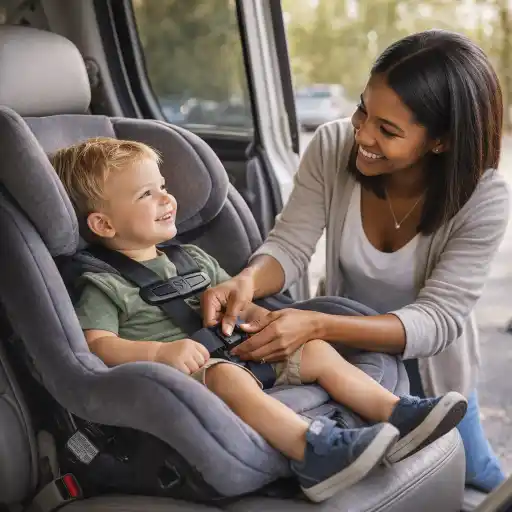
Why it matters:
1) Crashes are a top cause of serious injuries. Using the right restraint the right way saves lives. See national guidance at the CDC Child Passenger Safety.
2) Good routines lower stress for staff and families and keep your program inspection-ready. ChildCareEd has practical checklists and permission slip templates to help you plan: Transportation Safety and the Field Trip Permission Slip.
What are North Dakota's rules for car seats and seat belts?
1. The short answer: North Dakota law requires children younger than 8 to ride in a child restraint (car seat or booster), and everyone must use seat belts. For the legal wording, check the North Dakota code and state summaries like NDDTSEA.
2. Practical points for providers:
- Keep the youngest children rear-facing as long as their seat allows and never in front of an active airbag. The CDC recommends rear-facing until at least age 2 and as long as the seat permits (CDC guidance).
- Use forward-facing seats with harnesses until the child reaches the seat's top limits.
- Use boosters until the vehicle seat belt fits correctly (lap low on thighs, shoulder across chest). The back seat is the safest place for children under 13 when possible.
3. Why this matters in North Dakota: Following these rules is both safer and required. Local programs can also get help from community resources such as car seat check events run by Safe Kids Grand Forks (Safe Kids Grand Forks), which help with installation and fit checks.
How do we choose, install, and check the right car seat for each child?
1. Match each child to the seat the manufacturer recommends. Check the seat label for weight and height limits and the vehicle manual for installation tips.
- 📌 Read labels: Confirm the seat is not expired or recalled. If in doubt, replace it.
- 🔧 Install securely: Use LATCH or the vehicle seat belt per the car seat instructions. The seat should move no more than 1 inch side-to-side when tightened (see CDC installation tips).
- 🧍Fit the child: Harness straps should lie flat and be snug. Chest clip at armpit level for harnessed seats.
- 👩🏫 Train staff: Have at least two staff members trained to install and check seats. Consider a certified check from local programs listed by Safe Kids or health departments for hands-on help.
2. Daily checks before departure (use a short checklist):
- 🧾 Confirm the right seat for each child.
- 🔒 Confirm the seat is tightly installed and the harnesses are snug.
- 📋 Document who checked each seat and the time of the check.
3. Helpful resources: ChildCareEd’s Transportation guides cover car seat plans and field trip packing: How can my program keep children safe during transportation?. For hands-on checks in ND, see local events: Safe Kids Grand Forks.
What paperwork, permissions, and routines should my program use before any trip?
1. Paperwork basics (keep one copy in the child file and one in the leader packet):
- 📋 Signed field trip/transportation permission slip that names destination, date, travel mode, and times. Use the ChildCareEd model: Field Trip Permission Slip.
- 🩺 Emergency & medical info with medication authorizations and allergy notes.
- 🧰 Leader packet: roster, map, first-aid kit, phone, and any special plans.
2. Routines to practice (do these every trip):
- 🔢 Head counts at 4 points: before leaving, after loading, after arrival, before returning.
- 👥 Assign clear staff roles: leader, counter, medication handler, and first-aid person.
- ✅ Pre-trip checklist the day before and again the morning of departure.
3. Common mistakes and how to avoid them:
- ❌ Missing signatures — track returned forms and follow up early.
- ❌ Vague transport notes — spell out vehicle type and restraint plan on the permission slip.
- ❌ Forgetting meds — assign one person to confirm meds the morning of the trip.
4. Training and templates: ChildCareEd offers forms and training so staff can build routines: see the Transportation Safety and the Appropriate Precautions in Transportation  Buy Now $10.00 course.
How do we supervise, include children with special needs, and train staff for safe transport?
1. Supervision and staff rules:
- 👀 Always use active supervision. Staff should position themselves to see and hear children at every moment.
- 👥 Keep ratios and add extra adults for transitions when possible—loading and unloading are high-risk times.
- 📱 Have a working phone and a written emergency plan in the leader packet.
2. Including children with health or mobility needs:
- 🤝 Meet families early to write specific plans and get written consent for medications or special seating.
- 🧾 Bring medical authorizations, device instructions, and train at least one adult to use medical devices (EpiPen, inhaler, etc.).
- 🔒 Confirm that specialized seating fits your vehicle and that staff can secure it correctly.
3. Staff training and checks:
- 📚 Provide hands-on training for installing and checking car seats. Use local technicians or ChildCareEd courses for staff refreshers.
- 📝 Practice drills for loading and unloading so everyone knows their role and the counting routine.
- 🔁 Review policies monthly and after staffing changes so routines stay consistent.
4. Local help in North Dakota: For seat checks and technician support, look to community resources like Safe Kids Grand Forks and state listings that offer free or low-cost car seat events.
FAQ (quick):
- Q: Can parents sign electronically? A: Often yes if your licensing allows it—state requirements vary - check your state licensing agency.
- Q: What if a child refuses a seatbelt? A: Use calm strategies, follow the child’s behavior plan, and do not compromise restraints.
- Q: Who carries the first aid kit? A: The trip leader and a backup adult.
Conclusion
1. Start with the right information: know North Dakota rules, use the CDC recommendations for seat types and positioning, and rely on ChildCareEd templates for paperwork and training (Transportation Safety, Permission Slip).
2. Build simple routines: pre-trip checklist, 4-point head counts, staff role list, and daily seat checks. Practice these until they are second nature.
3. Use local supports for hands-on help (car seat check events and certified technicians) and keep staff trained. In short: plan, practice, and protect. #transportation #carseats #safety #supervision #permission
- 45 Hour Child Growth and Development
- Basic Health & Safety and Breastfeeding Awareness
- 45 hour Growth and Development Birth-age 12 ONLINE
- Health and Safety Orientation
- CDA Family Child Care Credential with Portfolio Review
- Pediatric RSV First Aid & CPR/AED
- 45 Hour School Age Methods and Materials
- Positive Attention: Interactions & Supervision for Infants & Toddlers
- Texas Director Credential
- Recursos en Español sobre el Sueño Seguro del Bebé
- Regulaciones de Cuidado Infantil en Maryland para Centros y Hogares de Cuidado Infantil Familiar
- Normas de Licenciamiento de Cuidado Infantil en Virginia para Centros Diurnos Infantiles y Hogares Diurnos Familiares
- Lista para Abrir una Guardería en Casa en Dakota del Norte: Cómo Empezar
- Cómo Ser Maestra de Preescolar en Dakota del Norte
- Capacitación Previa al Servicio para Proveedores de Cuidado Infantil en Dakota del Norte
- Las Mejores Ideas de Excursiones para Guarderías en Dakota del Norte
- Best Daycare Field Trip Ideas in Nevada
- Best Daycare Field Trip Ideas in Maryland
- How should sleep schedules for infants and toddlers work in North Dakota childcare programs?
- What should child care providers learn in SIDS training?
- How can North Dakota providers celebrate America’s 250th in age-appropriate ways?
- How Can North Dakota Close the Rural Child Care Gap with Funding and Expansion?
- Daycare Field Trip Permission Slip: What to Include
- How can child care programs keep children safe during transportation?
- How can my child care program keep children safe during transportation?
- How can child care programs keep children safe during transportation?
- How should North Dakota child care programs handle transportation safety and car seats?
- How can childcare programs make transportation safe, inclusive, and compliant?
- What are transportation safety basics every child care provider needs to know?
