Fall does not require an expensive classroom makeover to create rich learning: familiar leaves, pumpkins, recycled materials, and thoughtful teacher interactions can turn simple activities into purposeful curriculum. Explore Lesson Planning for Preschoolers  Buy Now $24.00 and Basic Science in Early Childhood Buy Now $25.00 for practical professional learning on planning developmentally appropriate experiences and supporting children’s inquiry. The ideas below show how to make modest supplies work harder while strengthening teaching practice, inclusion, observation, and safety.
Why do low-cost fall activities support professional practice?
Seasonal activities can be more than a festive change of pace. When educators connect simple materials to clear learning intentions, they create opportunities for children to investigate, communicate, make choices, and revisit ideas through play. A basket of fallen leaves, for example, can invite sorting and comparison, descriptive language, art, and questions about seasonal change.
This approach reflects developmentally appropriate practice: educators build on children’s strengths, interests, and individual needs while offering joyful, engaging experiences. NAEYC’s definition of developmentally appropriate practice emphasizes play-based learning that is responsive to each child and their family and community context.
Low-cost planning also encourages professional resourcefulness. Rather than buying a new kit for every theme, teachers can reuse classroom staples, gather safe natural materials, and adapt activities to meet different goals. Directors can use fall planning as a team-development opportunity: agree on a learning focus, review safety procedures, and share what staff notice children doing.
- Choose reusable, open-ended materials rather than one-time decorations.
- Connect each invitation to one or two developmental goals.
- Protect time for children to explore, repeat, and direct their own play.
How can teachers plan meaningful activities with everyday materials?
Start with what is already available: paper scraps, cardboard tubes, washable paint, scoops, bowls, blocks, and fallen leaves collected from a checked outdoor area. Select materials that can be used in several ways and place only a manageable amount at each center. A small collection often encourages deeper play than a crowded table.
Try these low-cost fall invitations:
- Leaf investigation: Invite children to compare color, size, edges, and texture. Add magnifiers or a simple sorting mat, and ask, “What do you notice?”
- Cardboard pumpkin patch: Use reused boxes or paper shapes for pretend harvesting, counting, or creating a dramatic-play market.
- Fall color process art: Offer washable paint, recycled paper, and natural objects for printing or making patterns. Let children decide what their work becomes.
- Nature sound walk: Pause outdoors to listen for wind, birds, footsteps, or leaves. Children can describe, draw, or imitate what they hear.
- Simple sink-or-float inquiry: With close supervision, test a few appropriately sized objects in a shallow water tray and record children’s predictions.
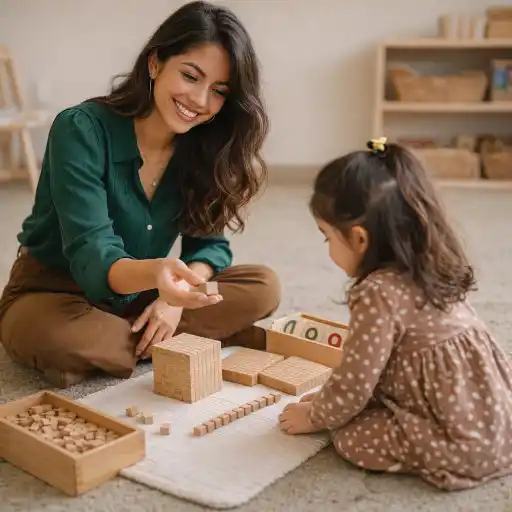
Plan a brief adult introduction, then allow open-ended exploration. A useful resource for extending these ideas is ChildCareEd’s easy fall activities for preschoolers. Match the activity to children’s ages and abilities, and adapt materials so every child has a meaningful way to participate.
How do fall activities become intentional teaching rather than busywork?
Intentional teaching begins with a clear purpose, not a predetermined product. Before setting out materials, ask: What might children explore? What skill or concept could this experience support? How will I know what children are learning? A leaf-sorting invitation, for example, may focus on comparing and classifying, while also supporting vocabulary and cooperation.
Educators can extend play without taking control. Describe what a child is doing, introduce a useful word, or offer an open-ended prompt: “You made two groups. How did you decide where each leaf belongs?” Give children time to respond, revise their ideas, or continue playing without adult direction.
Use a short planning cycle:
- Observe children’s interests and current play.
- Choose one or two goals that fit the group and individual learners.
- Offer accessible materials and a few thoughtful prompts.
- Reflect on children’s responses and decide what could come next.
Keep the activity playful and flexible. A worksheet or craft sample should not define success; participation, experimentation, communication, and persistence are meaningful outcomes. For additional professional learning on inquiry, Building Early Science Foundations Buy Now $16.00 offers strategies for encouraging young children’s exploration and discovery.
How can providers include different learners and maintain safety?
Inclusive planning offers different ways to engage with the same idea. A child might sort leaves by placing them, pointing to picture choices, describing them in a home language, or watching before joining. Provide accessible tools, visual cues, quiet alternatives, and roles that draw on children’s strengths. The goal is shared participation, not identical performance.
Safety is part of sound teaching, especially when using natural or sensory materials. Check materials for sharp edges, contamination, choking hazards, and possible allergens; avoid small objects for children who may mouth them. Supervise water activities closely, maintain clear sightlines, and teach simple expectations before play begins. Use non-food alternatives when food allergies, program policy, or family preferences call for them.
- Inspect and clean collected materials before bringing them into the classroom.
- Choose age-appropriate sizes and tools, and supervise according to children’s needs.
- Keep materials contained in trays or shallow bins to support safe use and cleanup.
- Prepare an indoor alternative if weather or air quality changes outdoor plans.
Communicate with families when activities involve food, collected natural items, or unusual sensory materials. State requirements vary - check your state licensing agency, along with your program’s health and safety policies. A predictable setup and clear staff roles support both children’s exploration and effective supervision.
How can observation and reflection make simple activities more effective?
Low-cost experiences provide many natural opportunities to notice children’s thinking without stopping the play. Record objective details: a child’s exact words, actions, strategies, or interactions. For instance, “Sam placed the largest leaf beside the smallest and said, ‘This one is longer,’” offers clearer evidence than a broad judgment such as “Sam understands measurement.”
Brief documentation can guide the next step. If children compare leaf sizes, add a balance scale, photographs, or a measuring ribbon. If they become interested in changing colors, revisit the leaves later in the week and invite them to notice what has changed. A photo, child quote, or quick note can also help families see the learning behind an apparently simple activity.
For directors, team reflection can be practical and brief. During a weekly huddle, invite each educator to share one observation, one teaching move that helped, and one possible extension. This strengthens shared professional language and makes planning responsive rather than reliant on elaborate materials.
- Use observations to identify children’s interests, approaches, and support needs.
- Connect evidence to a next experience instead of collecting documentation without a purpose.
- Protect confidentiality and follow program procedures for photographs and records.
Educators seeking deeper guidance on documenting learning can explore Preschool Assessments & Observations Buy Now $24.00, which addresses objective observation and using information to plan for children.
What common pitfalls should teams avoid when using seasonal activities?
A common pitfall is letting the seasonal theme overshadow the learning. When adults prioritize a uniform craft or a perfect display, children may have fewer chances to make decisions and explore their own ideas. Offer open-ended materials, value varied results, and allow children to contribute ideas to the activity.
Another challenge is offering too many centers or materials at once. An overfilled room can make supervision, cleanup, and sustained play more difficult. Begin with one or two carefully prepared invitations, observe how children use them, and adjust. Similarly, avoid changing routines and expectations every few days; predictable cues and clear transitions help children feel secure and protect time for learning.
- Too much adult direction: Use a few open questions, then step back and listen.
- Unclear goals: Identify a simple learning intention before gathering materials.
- Overlooking adaptations: Offer varied tools and participation options from the start.
- Skipping safety checks: Inspect materials, check relevant family information, and plan supervision.
- No follow-up: Use children’s comments and actions to shape the next activity.
Keep an indoor backup ready for outdoor plans, and invite staff to share inexpensive material ideas. Consistent planning does not mean rigid teaching; it means preparing thoughtfully while staying responsive to children. These habits help seasonal activities feel manageable for educators and genuinely engaging for children.
Conclusion: How can fall activities strengthen everyday teaching?
Low-cost fall classroom activities strengthen professional practice when educators connect accessible materials with intentional goals, inclusive participation, active supervision, and careful observation. Leaves, reused cardboard, paint, and water can support rich learning when teachers give children time to explore and use their questions to guide what happens next.
Begin with one small invitation, one or two learning goals, and a safety check. Observe how children participate, make a practical adaptation, and use what you learn to plan a meaningful extension. These simple steps help providers turn autumn materials into purposeful curriculum without adding unnecessary expense or workload. For additional professional learning, explore the linked ChildCareEd courses and confirm any training-credit details with your state or registry; state requirements vary - check your state licensing agency.
- 45 Hour Preschool Methods and Materials
- Children at the Wheel: Emergent Curriculum
- 45 Hour Infant and Toddler Methods and Materials
- 45 Hour School Age Methods and Materials
- CDA Bridge Bundle: Family Child Care without Portfolio Review
- CDA Bridge Bundle: Infant/Toddler without Portfolio Review
- CDA Bridge Bundle: Preschool without Portfolio Review
- 45-Hour Infant and Toddler Curriculum
- Texas Director Credential
- Every Moment Matters: Schedules and Transitions
- Navigating with Limited Resources: Support for Texas Child Care Facilities
- How Can Childcare Educators Thrive in the Big Apple?
- CDA Certification en Español: Recursos y Consejos para Educadores Bilingües
- Actividades de Motricidad Gruesa que Desarrollan el Equilibrio, la Coordinación y la Fuerza
- 10 Ejemplos de Cómo la Cultura Influye en el Desarrollo Infantil
- Cute Fall Picture Ideas Teachers Can Try in the Classroom
- How can child care programs keep playgrounds safe for infants through school-age children?
- Which activities and routines best help children develop empathy, self-regulation, and resilience?
- How Can You Prepare Your Classroom for Fall While Prioritizing Safety, Health, and Learning?
- Crunch, Stomp, Scoop! Fall Activities Toddlers Can’t Resist
- How Can Child Care Providers Design Learning Centers That Support Play and Development?
- How Can Fall Food Activities Support Children Who Aren’t Ready to Taste?
- How Can Preschool Teachers Use Fall Activities to Strengthen Family Engagement?
- How Can Child Care Providers Make Fall Activities Inclusive for Every Child?
- How Can Fall Classroom Activities Demonstrate CDA Competencies?
- How Can Responsive Teaching Make Fall Classroom Activities More Effective?
- How Can Simple Fall Activities Support Kindergarten Readiness Through Play?
- How Can Low-Cost Fall Classroom Activities Strengthen Professional Teaching Practices?
