Meaningful infant lesson planning begins with simple, responsive experiences that support each child’s development through play, movement, sensory exploration, and caring interactions. ChildCareEd’s online, self-paced Meaningful Lesson Planning for Infants/Toddlers  Buy Now $24.00 course helps educators understand the essential parts of an age-appropriate lesson plan and select activities that support early development.
Teachers can also download the free Sample Weekly Lesson Plan – Infant/Toddler Buy Now $0.00 for ready-to-use ideas that promote motor development, early language, sensory learning, and social interaction. Below, you’ll find additional infant lesson plans that can be adapted to each child’s routines, interests, abilities, and developmental needs.
What should a infant lesson plan look like?
Keep it short and use 1–3 clear targets for the week. A practical free plan usually includes:
- 🔢 One simple goal (e.g., "encourage reaching and grasping").
- 🧰 Materials list (3–6 items and storage location).
- 🔁 When it happens — tie activities to routine moments like after diapering or before naps.
- 📸 Quick assessment line (observe one or two behaviors to note).
- 👪 One family connection idea to share.
Use ready templates such as the Infant and Toddler Weekly Lesson Plan Template Buy Now $0.00 and sample plans from ChildCareEd (Sample Weekly Lesson Plan Buy Now $0.00). Short plans increase staff use and help you document without burying the day in paperwork.
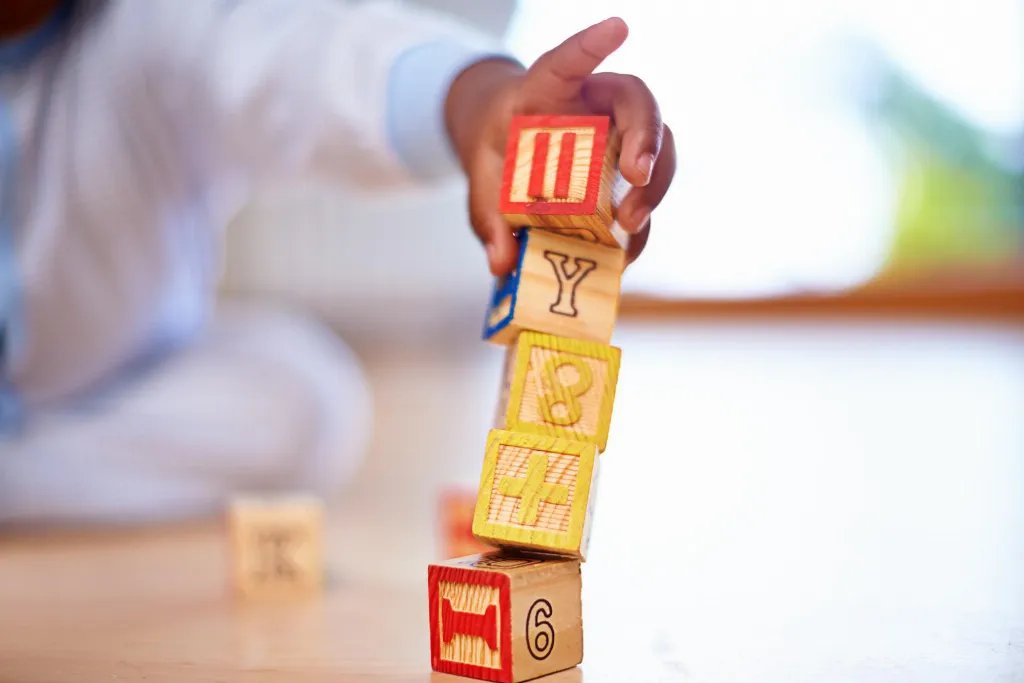 Which age-appropriate activities best support infant #development?
Choose brief, repeated, sensory-rich activities that match the infant’s current skills. Examples you can include in a free weekly plan:
- 🧸 Tummy time: place toys just out of reach to strengthen neck and upper body (repeat several short sessions daily) — supported in ChildCareEd activity guides and family resources (Lesson Planning for Infants and Toddlers).
- 🎶 Music & movement: sing during feeding or diapering; use simple rhythms to encourage engagement (see music and language tips at Nemours).
- 🖐️ Sensory play: safe touch-and-feel boards, soft fabrics, or discovery baskets rotated weekly.
- 🗣️ Language-building interactions: narrate care routines, respond to coos, and practice “serve and return” (responsive caregiving).
- 🪞 Mirror play: infant-safe mirrors support social attention and early self-recognition.
- 🌿 Gentle outdoor exploration: short, supervised walks or a shaded tummy-time blanket — follow outdoor-safety guidance (CDC outdoor play).
- 🤝 Caregiver-child bonding: focused cuddle-and-read moments that build attachment and language.
All of these support motor, language, social-emotional, and sensory systems when repeated in short bursts. For concrete activities and scripts, see ChildCareEd's free resources page (Resources - CDA Infants/Toddlers).
How can infant lesson plans respect feeding, diapering, and sleep while promoting learning?
Responsive care and safety must lead planning. Do this by:
- 📋 Tying activities to care loops: diaper → feed → cuddle → short play → rest. This creates predictable rhythms while staying flexible to each baby’s cues (Daily Routine Examples).
- 🧑🤝🧑 Using primary caregiving when possible so babies see familiar faces during feeds and naps (responsive caregiving).
- ⏱️ Scheduling in flexible blocks (morning care, mid-day loop) rather than rigid clock times — this respects individual needs and licensing ratios. state requirements vary - check your state licensing agency.
- 🛏️ Following safe sleep and feeding policies and documenting feeds/diapers/naps clearly for handoffs.
- 🗣️ Using every routine as a learning opportunity: narrate, pause for baby responses, and offer choices when developmentally appropriate.
This approach keeps safety and basic needs central while making each care moment an occasion for #learning and connection.
How do providers create free plans, assess progress, and use templates effectively?
Steps to build a usable free weekly plan:
- 📝 Choose 1 weekly goal per infant or small group and link it to a routine (e.g., after feeding offer a rattle to practice grasping).
- 🎒 List 3–6 accessible materials in a labeled bin so staff can act quickly.
- ⏳ Plan short repeated moments (1–5 minutes repeated often) and note where they happen in the day.
- 📸 Observe briefly: jot a dated, single-line anecdote or photo once a day tied to the goal.
- 👪 Share one practical family idea each week to build home–school continuity.
Use ChildCareEd templates like the Infant and Toddler Weekly Lesson Plan Template Buy Now $0.00 and sample plans (Sample Weekly Lesson Plan Buy Now $0.00) to save prep time. For deeper skill-building, consider short trainings such as Meaningful Lesson Planning for Infants/Toddlers Buy Now $24.00 and Playing with a Purpose Buy Now $24.00. For a broader look at the role of adult-guided curriculum and additional professional courses that support infant and toddler learning, see Building Up Infants and Toddlers.
How can we avoid common mistakes and strengthen partnerships with families?
Common mistakes and fixes:
- 😬 Too many goals at once — Fix: pick one clear, measurable goal per baby each week.
- 📚 Over-planning teacher-led time — Fix: favor short, child-led actions and routine-based teaching.
- 📝 Over-documenting that becomes a burden — Fix: use one-line observations or a photo journal.
- 🔀 Applying one-size-fits-all schedules for infants — Fix: use room rhythms with individual adaptations.
Partner with families by starting conversations with strengths, sharing simple observations, and offering one home activity per week. If you spot developmental concerns, document clearly and encourage pediatric consultation or early intervention as needed — the CDC and ChildCareEd provide checklists and referral guidance (CDC, ChildCareEd). state requirements vary - check your state licensing agency.
FAQ
- Q: How long should infant activities last? — A: 1–5 minutes, repeated many times a day.
- Q: Do I need written plans daily? — A: A short weekly plan with quick daily notes is usually best.
- Q: How do I include infants with sensory sensitivities? — A: Offer adapted textures, shorter exposures, or alternate materials.
- Q: When should I refer for screening? — A: If you see consistent concerns versus expected milestones, document and advise families to consult the pediatrician or early intervention.
Conclusion
Free infant lesson plans work best when they are brief, flexible, and anchored in responsive caregiving. Focus on meaningful interactions, safety, and a few repeated, #sensory-rich activities that connect to feeds, diapering, and sleep. Use ChildCareEd templates and short courses to save time and strengthen your team (free resources, lesson plan template Buy Now $0.00). Your calm attention, consistent responses, and simple, well-timed activities are the most powerful curriculum in any infant room. #infant #lessonplans #routines #sensory #development
- CDA Infant/Toddler Credential
- Children at the Wheel: Emergent Curriculum
- CDA Infants/Toddlers: Abuse and Neglect Reporting Requisites
- CDA Bridge Bundle: Infant/Toddler without Portfolio Review
- CDA Infants/Toddlers: Brain Development and Gene Expression
- CDA Infants/Toddlers: Stages of Development
- CDA Infants/Toddlers: Classroom Setup
- CDA Infants/Toddlers: Smart Nutrition & Feeding
- Meaningful Lesson Planning for Infants/Toddlers
- Playing with a Purpose: Infant/Toddler Lesson Planning
- 😫🧸 ¿Qué hacer cuando un bebé no quiere dormir la siesta en el aula?
- 🍑 ¿Qué capacitación requiere DECAL cada año para el personal de cuidado infantil en Georgia?
- Cómo Abrir Una Quardería En Casa Sin Dinero?
- ¿Cuáles son los pasos, requisitos y opciones en línea para la certificación de 90 horas en cuidado de Infantes/Toddlers en Maryland?
- ¿Cómo empiezo mi certificación CDA en Florida en línea?
- Regulaciones de Licenciamiento de Cuidado Infantil en California para Centros y Hogares de Cuidado Infantil Familiar
- Proporciones de Cuidado Infantil y Tamaños de Grupo por Edad en Virginia (Guía Rápida para Centros y Hogares)
- Actividades de Otoño Fáciles para Preescolares esta Temporada
- Capacitación CDA gratuita en Illinois
- Can Toddlers Do STEM in the Sandbox at Minnesota Daycares?
- How Can Virginia Daycare Providers Find Grants and Funding in 2026?
- Canciones, juegos y preguntas de círculo para niños
- Free Things for Daycare Teachers: Resources, Training, and Certificates
- What creative activities work best for school-age daycare programs?
- How can I plan activities for school-age children in daycare?
- Free Infant Lesson Plans for Daycare and Early Learning
- How Should Lesson Plans for Infants 0–12 Months Change by Age?
- From Tummy Time to First Steps: Free Lesson Plans for Infants 0–12 Months
- ¿Todos los niños deben participar en el tiempo de círculo?
