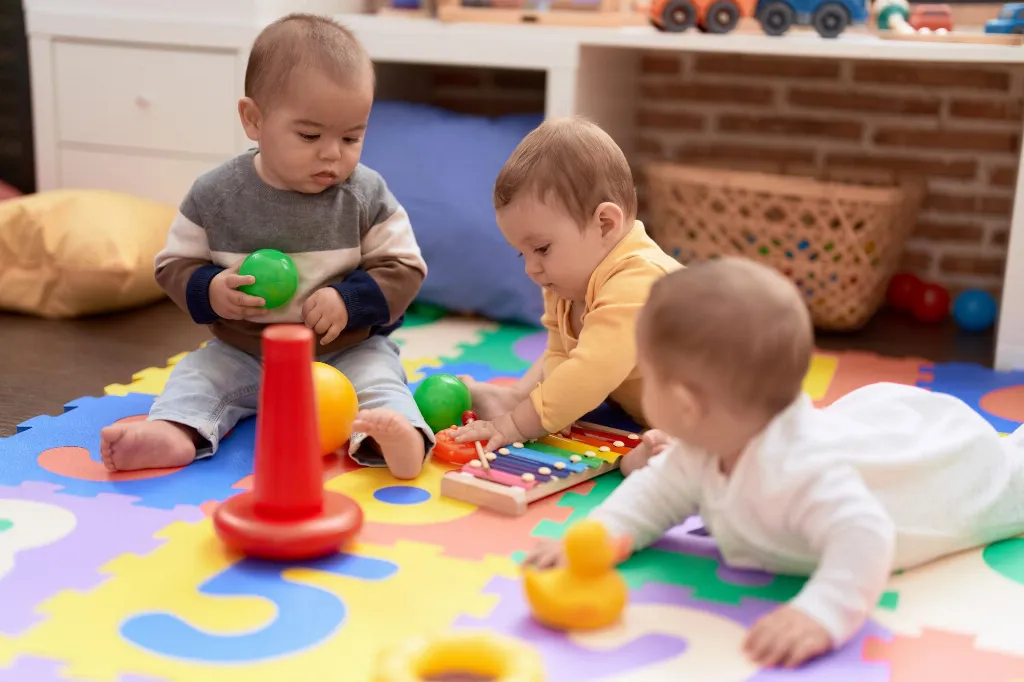
 Infant lesson plans are not worksheets — they are simple guides that help you make the most of play, daily care, and the tiny steps babies take every day. This article gives clear, practical steps you can use in your #infant room. You will find ideas for goals, play activities, care-based learning, and ways to share progress with families.
Use templates like the Infant and Toddler Weekly Lesson Plan Template Buy Now $0.00 to keep things simple and consistent.
What should I include in a short, useful infant lesson plan?
Keep infant plans short and focused. Use 1–3 clear goals for the week and link them to routine times and short play moments. A good plan includes:
- 🎯 A simple goal (example: "encourage reaching and grasping").
- 🧰 Materials (what you will use and where it lives).
- 🔁 When it happens (tie activities to care routines like after diaper changes or before naps).
- 📸 Quick assessment (one or two things to watch for and note).
- 👪 Family connection (how to share one idea parents can try at home).
Use a ready template such as the ChildCareEd weekly template Buy Now $0.00 or the Sample Weekly Lesson Plan Buy Now $0.00 so you don’t start from scratch. Templates help you list goals, materials, and simple steps and keep documentation short and useful.
Practical steps (quick):
- 📘 Choose one goal for each baby or small group.
- 🧩 Pick 1–3 short activities that support that goal.
- 📝 Add a line for observation so you can record progress in the moment.
Tip: Keep language simple for staff and families. State requirements vary - check your state licensing agency for documentation rules and ratio guidance.
How do I plan play-based activities that actually support development?
Play is the main way infants learn. Match play to the baby’s age and the goal. For example, to support motor skills use soft balls, rolling toys, or hand-held scarves. To support language, read short board books or sing songs during feeding or quiet times.
1. Start with observation: notice what each baby reaches for, watches, or vocalizes. The CDC milestone checklists can help you choose age-appropriate ideas.
2. Plan short, repeated, sensory-rich activities:
- 🧸 Tummy time with interesting toys to encourage reaching.
- 📚 Read short, colorful books during cuddle time (see Reading Books to Babies).
- 🎶 Sing simple songs during diaper changes or feeding to build language.
3. Keep activities short and repeat them. Babies learn through repetition. Use the math sample Buy Now $0.00 ideas for counting and sorting during play (stacking rings or nesting cups) to add early math moments.
Practical plan example (one goal):
- Goal: Encourage hand-eye coordination.
- Activity: During morning care, give a soft rattle for 2–3 minutes and model shaking.
- Care tie-in: Offer the rattle after feeding when the baby is alert.
- Observation: Note if the baby looks, reaches, or grasps the rattle.
Why this works: Play tied to care moments makes learning feel safe and warm. For more ideas on using routines as teaching moments see Making the Most of Care Routines with Infants.
How can care routines (feeding, diapering, nap) become learning moments?
Care routines are gold for learning. They happen many times each day and help babies feel safe. When you make these moments intentional, you teach language, body awareness, and social connection.
Use these steps:
- 🔄 Keep a calm loop: diaper → feed → cuddle → short play → rest. Babies learn the pattern and feel secure.
- 🗣️ Narrate every step: name what you do and what the baby feels (I'm wiping your hands; the towel is soft). This builds vocabulary and trust.
- 🤝 Offer choices as babies grow: hold two spoons and let the older infant reach for one—this builds agency.
Examples:
- 🫧 Diapering: talk through actions, touch gently, count toes aloud to add number words.
- 🍽️ Feeding: sing a short song, describe tastes and textures, and watch cues that say hungry or full.
- 😴 Nap prep: use a consistent quiet routine—dim light, soft voice, a short song—and help babies learn self-soothing over time.
Why it matters: Routines build secure attachments and help babies learn to regulate emotions. The PBS resource on daily routines explains how consistent, flexible routines create safety and learning opportunities (The Whole Child).
How do I assess progress, adapt plans, and work with families (and what mistakes should I avoid)?
Assessment for infants is simple and natural. Use short observations, photos, and notes tied to your weekly goals. Follow these steps:
- 📸 Take one photo or short note a day for each goal (what did the baby do?).
- 📝 Use a simple checklist: saw reaching, grasping, or vocalizing?
- 👪 Share one small idea with families each week (a game or a song they can try at home).
Common mistakes and how to avoid them:
- ❌ Too many goals: Pick one goal per baby each week. Keep it small and measurable.
- ❌ Forgetting individual needs: Watch cues. Some babies need shorter or different activities.
- ❌ Over-documenting: Notes should help teach, not bury you. Use short bullet notes or a quick app.
FAQ
- Q: How long should infant activities last? A: 1–5 minutes, repeated many times a day.
- Q: What if a baby is sleeping during activity time? A: Use other care moments—feedings and diaper changes—for those goals.
- Q: How do I include families? A: Send one idea a week and invite notes back. Families know their babies best.
- Q: When to worry about milestones? A: If you or a family member are concerned, follow CDC guidance and talk to the child’s doctor or early intervention — see CDC Milestones.
Final tips: Use ChildCareEd templates like the infant/toddler template Buy Now $0.00 and the sample plan Buy Now $0.00 to save time. Keep plans short, link learning to care, and celebrate small steps. Your calm, consistent care is the most powerful curriculum in the room. #lessonplans #play #routines #development
Conclusion: Small, simple plans that pair play with care routines help infants learn every day. Start with one goal, use short activities, observe, and share with families. You are the biggest strength in the room—your attention turns everyday moments into learning.
- CDA Infants/Toddlers: Lesson Planning Made Easy
- CDA Infant/Toddler Credential
- CDA Infant/Toddler Credential with Portfolio Review
- 24 Hour Texas Pre-Service
- CDA Bridge Bundle: Infant/Toddler
- 45-Hour Infant and Toddler Curriculum
- Texas Director Credential
- CDA Infants/Toddlers: Brain Development and Gene Expression
- CDA Infants/Toddlers: Stages of Development
- Playing with a Purpose: Infant/Toddler Lesson Planning
- Lesson Planning for Infants and Toddlers
- Infant Lesson Planning
- 😫🧸 ¿Qué hacer cuando un bebé no quiere dormir la siesta en el aula?
- Cómo usar tu certificación de 90 horas en Maryland para completar tu CDA
- ¿Cuáles son los pasos, requisitos y opciones en línea para la certificación de 90 horas en cuidado de Infantes/Toddlers en Maryland?
- Actividades de Otoño Fáciles para Preescolares esta Temporada
- Canciones, juegos y preguntas de círculo para niños
- How Can Child Care Providers Support Infant Brain Development?
- Infant Lesson Plans for Play, Care, and Development
- Weekly Lesson Plans for Infants, Toddlers, and Preschoolers
- How can I make easy infant and toddler lesson plans that really work?
- How can I make infant and toddler lesson plans that really work?
- What Does Responsive Caregiving Look Like Day to Day in Arizona Infant Rooms?
- Free Infant Lesson Plans for Daycare and Early Learning
- How Should Lesson Plans for Infants 0–12 Months Change by Age?
- From Tummy Time to First Steps: Free Lesson Plans for Infants 0–12 Months
- How Can Child Care Providers Plan Infant Activities Around Developmental Milestones?
- How Can You Plan for Infants Whose Nap and Feeding Times Keep Changing?
- How Can You Help an Infant Resume Exploring After Care Interrupts Play?
