 Every day in child care runs smoother when we have clear, simple routines that meet each child’s needs. This article gives easy examples you can use for #infants, #toddlers, #preschoolers and ideas to make the day calm and learning-filled. Good #routine and smooth #transitions help children feel safe and help staff stay organized.
What should a daily routine look like for infants?
Infant schedules must follow each baby’s needs but fit into a calm classroom flow. Think "individual care inside a group rhythm." For practical tips and examples, see Infant schedules in group care and a handy example daily schedule at Sample Daily Schedule Buy Now $0.00.
- Start with care tasks that protect health: diapering, feeding, and safe sleep. Follow the CDC safe sleep guidance for naps and overnight sleep.
- Use flexible time blocks. Example: "morning care" instead of every baby napping at 9:00.
- Keep the same order every loop of the day: diaper → feed → cuddle → play → rest. This helps staff and babies know what comes next.
- Track care with simple forms or apps so all teachers know when each baby ate, slept, or had a diaper change.
- Use calm cues for sleep: dim lights, soft voices, and a short cuddle routine. For more ideas about using care moments to teach and bond, see Making the Most of Care Routines with Infants.
Tip: Assign primary caregivers when possible so each baby builds trust and staff learn individual cues faster.
How do routines change for toddlers compared to infants?
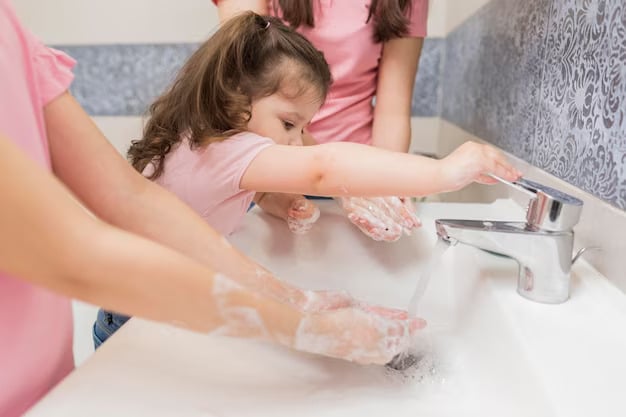
Toddlers are more active and more social. They need more movement, chances to practice independence, and clear steps for transitions. Use routines to teach skills like handwashing, feeding themselves, and trying the potty. For why routine matters, read Importance of Routine in Child Care.
- 🟠 Keep blocks of time: free play, small group, snack, outside play, and rest. Toddlers do well with a steady rhythm but still need flexible timing.
- 🔵 Use short, clear directions and show steps with pictures or real objects so toddlers know what to do next.
- 🟢 Let toddlers help with simple jobs: carry a nap blanket, wash hands, or pass plates. This builds independence.
- 🔴 Protect movement time. Toddlers need daily gross motor time (outdoors or active music) to stay regulated.
- 🟣 For potty learning, work with families and keep toileting steps gentle and positive. PBS has helpful ideas about daily routines for young children at The Whole Child.
Remember: Toddlers often test limits. Routines help them know the rules and feel safe while they practice new skills.
What does a strong preschool daily schedule include?
Preschoolers can follow longer group routines and enjoy predictable learning blocks. A strong schedule balances quiet and active times, teacher-led and child-led learning, plus clear transitions. See a playground of ideas in A Morning Routine for a Preschool Teacher Buy Now $0.00 and home ideas at How to provide routine for Preschooler at Home.
- ⏰ Morning arrival: greeting, independence jobs, and a short hello circle.
- 🎨 Center time (long enough for deep play) with teachers rotating small groups.
- 🥪 Snack or lunch with family-style serving to teach social skills.
- ⚽ Outdoor play and movement—preschoolers need big-muscle time every day.
- 📚 Quiet time or rest, short story, and individual calming routines for those who do not sleep.
- 🔁 Visual schedules or picture cards help children know the order of the day. Find printable picture schedules at No Time For Flash Cards.
Note for directors: state requirements vary - check your state licensing agency for nap, staff ratio, and documentation rules.
How can providers make schedules work for the whole room?
Good schedules balance individual needs and group flow. ChildCareEd explains balancing individual routines in group care in Infant schedules in group care. Use tools and steps below to keep the room calm and safe.
- 🔁 Make a room rhythm—not a strict clock. Keep the order of activities consistent while allowing times to float for each child.
- 📋 Use simple tracking for feeds, diapers, naps, and moods so staff handoffs are smooth.
- 👥 Stagger care tasks when possible (not all children change or eat at once) so one teacher isn’t pulled in too many directions.
- 🔧 Use visual cues and timers for transitions. ChildCareEd’s article on transitions has many practical ideas at How Can I Make Transitions and Daily Routines Easier.
- 🧑🏫 Assign primary caregivers for infants and a daily contact for each family. This builds trust and keeps routines consistent.
Common mistakes and how to avoid them:
- ❌ Rushing transitions — Plan extra time and use songs or jobs to help children move between activities.
- ❌ One-size-fits-all schedules for infants — Watch cues and adjust times for each baby.
- ❌ Skipping outdoor time — Protect movement time to keep behavior and learning strong.
Conclusion and FAQs
Routines are tools. They help children feel safe, learn, and grow. Use a mix of predictable loops plus flexibility for individual needs. For practical templates and more training, check Sample Daily Schedule Buy Now $0.00 and course options at ChildCareEd.
Quick FAQ:
- Q: How often should I update a child’s routine? A: Review routines with families every few weeks or when a child’s needs change.
- Q: What if a family wants a schedule that won’t fit the room? A: Partner with the family, explain safety limits, and offer choices the room can honor.
- Q: How do I handle naps for mixed ages? A: Use quiet zones, stagger nap times, and follow safe-sleep rules from the CDC.
- Q: Where can I get visuals and schedule cards? A: Try the printable picture schedules at No Time For Flash Cards or create your own with photos of children.
You’re not alone—small changes make big improvements. Start with one clear loop for each room, use simple tracking, and build from there.
- 45 Hour Child Growth and Development
- Moving About the Classroom: Effective Transitions for Everyday
- CDA Infants/Toddlers: Importance of Consistent Care
- Balancing Act: Schedules and Routines
- 45 Hour Infant and Toddler Methods and Materials
- CDA Bridge Bundle: Infant/Toddler without Portfolio Review
- CDA: Communication: Keep It Simple
- Texas Director Credential
- Recursos en Español sobre el Sueño Seguro del Bebé
- Apoyo en Español para Capacitaciones Grupales Presenciales y por Zoom en Cursos Selectos
- ¿Qué Calificaciones Necesitas para Trabajar en Cuidado Infantil?
- What are the developmental milestones from birth to 5 years and how can providers track them?
- ¿Cuáles son los pasos, requisitos y opciones en línea para la certificación de 90 horas en cuidado de Infantes/Toddlers en Maryland?
- Capacitación en Salud y Seguridad Preventiva en Línea para Proveedores de Cuidado Infantil
- How can milestone checklists help providers support infants, toddlers, and preschoolers?
- Proporciones de Cuidado Infantil y Tamaños de Grupo por Edad en Maryland (Guía Rápida para Centros y Hogares)
- What are age-appropriate learning activities for infants, toddlers & preschoolers in Michigan?
- What age-appropriate learning activities should we use for infants, toddlers & preschoolers in New York?
- Child Care Daily Routine Examples for Infants, Toddlers, and Preschoolers
- Child Care Daily Schedule Examples: Free PDF Download
- How can I make easy, useful lesson plans for my childcare program?
- How do New York day care supervision and ratio rules keep children safe?
- How can we run a 'Movie Day' that balances screen time and learning in child care?
- Free Infant Lesson Plans for Daycare and Early Learning
- Proporciones para guarderías en casa bajo el Título 22: Cómo la mezcla de edades cambia su capacidad en California
- How Can Child Care Providers Create Effective Daily Reports for Infants and Toddlers?
- How Can Infant and Toddler Rooms Use Daily Communication Logs Effectively?
- What Is Developmentally Appropriate Practice? Examples by Age
