Thinking about moving from the classroom to the office? This article helps you plan a clear path to lead a child care program i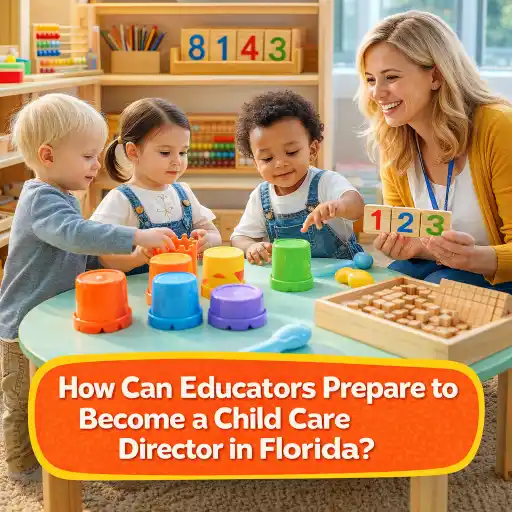 n #Florida as a #director. It explains steps, training, checks, and helpful courses. The tone is friendly, practical, and made for busy child care providers and directors.
Why this matters
Good leaders make programs safer and better places for children and staff. Trained directors guide teachers, keep families confident, and help centers follow the rules. The quality of leadership affects children's learning and staff morale.
Becoming a director also opens chances for higher pay, more responsibility, and stronger programs. Even small steps—like one approved course or a credential—move you forward.
What steps do I need to take to become a director in Florida?
Here are clear steps you can follow. Each step links to helpful resources so you can learn more.
- Meet basic education and experience: You usually need a high school diploma or GED and work experience in child care. See a clear guide in Lead with Love.
- Get the Florida Director Credential: Complete an approved "Overview of Child Care Management" course and the core requirements. Programs like NICCM and Nova offer Florida-approved options. See NICCM's explanation at NICCM and Nova Southeastern at Nova Southeastern.
- Take required training hours: Many director paths require 30–45 hours of specific training. ChildCareEd offers the 45-Hour Director-Administration
 Buy Now
 $399.00$275.00 and other state courses to meet these needs. For additional accredited options that emphasize individualized learning for young children, consider IACET-accredited individualized learning courses that can count toward professional development. - Consider a CDA or college courses: A CDA or college certificate helps your application and skills. ChildCareEd and college programs explain how to use these toward your credential (see fast-track options).
- Apply to DCF: Submit your documents and proof of training to the Florida Department of Children and Families.
Tip: Keep copies of all certificates, transcripts, and letters of experience. These make the application faster and cleaner.
How do I meet Florida paperwork, background checks, and training rules?
Florida has specific steps for safety and licensing. Follow this list to avoid delays.
- Complete DCF Introductory Training: The state offers required online and instructor-led courses. Find them on the DCF portal at My FL Learn.
- Pass Level 2 background screening: This is a fingerprint check and records review. It is required for staff, directors, and household members. Start with the Florida clearinghouse guide: Background Screening.
- Get CPR and First Aid: Keep current cards on file. Many training providers include these or list approved community classes. Also consider completing an emergency-preparedness course to ensure you can protect children during disasters, such as the When the Unthinkable Happens training.
- Submit the Director Credential application: Use the Florida DCF Child Care Director Credential instructions.
- Renew and track in-service hours: Directors must complete continuing education for renewal. For a concise option to earn CEUs, consider the 3-hour Core of Knowledge continuing education training, which covers foundational content commonly accepted for in-service credit.
Remember: state requirements vary - check your state licensing agency. Keep copies of all documents. If a course says it is "DCF approved," save the approval code or certificate.
How can I build leadership skills for staff, budgets, and curriculum?
Leadership is more than paperwork. It is how you support teachers, manage money, and create a strong program. Below are practical ways to grow your skills. Consider training in stress management and self-care to maintain your effectiveness as a director; H&H's stress-management courses offer practical strategies to build resilience and reduce burnout.
- Learn management basics: Topics include hiring, coaching teachers, scheduling, and creating a positive staff culture. Courses like ChildCareEd’s director administration and NICCM cover these topics. See 45-Hour Director-Administration Buy Now
$399.00$275.00 for content on supervision and policy. - Practice budgeting and finance: Simple budgets help you track costs and plan. Start with a basic budget template and learn fiscal terms in trainings such as NICCM’s NAC course described at NICCM.
- Improve curriculum knowledge: Use Florida Early Learning Standards so your program matches state expectations. Free standards courses are available from the Division of Early Learning: Florida Early Learning. For directors who supervise school-age programs, consider ChildCareEd’s Super Special School Agers online course to strengthen classroom management and behavior strategies for older children.
- Grow leadership through mentoring: Find a mentor or network with local child care leaders. Research shows leaders benefit from peer support and targeted professional development (see leadership ideas at Early Care & Education Leadership).
- Use online graduate or certificate options when possible: If you want advanced study, look at certificates like the University of North Dakota’s leadership program at UND.
Why it matters: Strong #leadership helps teachers feel supported and children get better learning. Small regular actions—weekly check-ins, clear job descriptions, and safe policies—make big differences.
What training programs, renewals, and fast-track options should I plan for?
There are many useful programs. Pick the one that fits your schedule, budget, and the state rules you must meet.
- Explore ChildCareEd fast-track and state courses: Fast-track options help busy staff complete training online. Start with ChildCareEd’s fast-track article here and their specific courses like the 40-Hour Director's Course Buy Now
$125.00$100.00 (for Georgia) and 45-Hour Buy Now $399.00$275.00 offerings. If you prefer a single place to browse flexible, DCF-appropriate options and self-paced lessons, see our online childcare courses. - Use DCF and state free trainings: The Florida DCF portal lists free CEU opportunities and standards courses at My FL Learn and Florida Early Learning at Florida Early Learning.
- Plan for renewal cycles: Keep track of renewal dates. Many director credentials require renewal every 3–5 years and 45 hours of training. Renewal bundles are offered by several providers, for example, renewal training.
- Watch for approved course lists: Only approved "Overview of Child Care Management" courses count for the Florida Director Credential. Verify approval on DCF lists or course pages (see NICCM approval information at NICCM).
- Budget time and money: Some online courses are self-paced and affordable; college certificates cost more but may give college credit. Compare costs like community college programs (see Florida Gateway: FGC).
Common mistakes and how to avoid them:
- ⚠️ Not checking state approval — Always confirm a course is DCF-approved before you enroll.
- ⚠️ Losing documents — Keep digital and paper copies of certificates and background results.
- ⚠️ Ignoring renewal dates — Add reminders to your calendar for renewals and in-service hours.
Conclusion and FAQ
Becoming a child care director in Florida takes planning, training, and paperwork. Use trusted providers like ChildCareEd and state resources from DCF. Keep copies of your documents, complete background checks, and grow your #training and #leadership skills steadily.
- Q: How long until I can be a director? A: It depends on your education and experience. Some fast-track courses let you finish training in weeks, while college options take months.
- Q: Do I need fingerprints? A: Yes. Level 2 background screening with fingerprints is required. See Background Screening.
- Q: Can online courses count? A: Often yes, if they are DCF-approved. Check the course page for approval details and keep records.
You are not alone on this path. Reach out to local resource and referral agencies, use approved online courses, and plan each step. Good luck — you can lead a caring, high-quality program for children and families.
- 45 Hour Child Growth and Development
- 45 hour Growth and Development Birth-age 12 ONLINE
- Unlocking Support for Florida Childcare
- 45 Hour Infant and Toddler Methods and Materials
- 45 Hour School Age Methods and Materials
- Texas Director Credential
- 45-Hour Infant and Toddler Curriculum
- 45 Hours Director-Administration ONLINE
- Stress Release for Florida Teachers
- CDA Certification en Español: Recursos y Consejos para Educadores Bilingües
- What Parents and Educators Need to Know About Child Safety
- Why Florida Loves CDA: The Value of Certification in a Growing Field
- 🎈 Ready for Sunshine & Smiles? Discover Florida’s Favorite Training Bundles for Early Educators!
- 🎯Sunshine State Steering: How Directors & Admins Power Florida Early Learning
- Child Care Licensing and Regulations in Florida: What Providers Need to Know
- State-Approved Trainings in Florida: A Complete Guide for Child Care Professionals
- Cómo Abrir Una Quardería En Casa Sin Dinero?
- DCF 45-Hour Child Care Course: Start Here
- Lista para Guardería en Casa en Texas: Cómo Iniciar una Guardería en el Hogar
- How do I become a teacher in Florida and turn my love for children into a career?
- How Can Educators Prepare to Become a Child Care Director in Florida?
- How do I open a day care in Florida?
- How Can Florida Child Care Providers Prepare for Licensing Visits?
- ChildCareEd Training Transcript: Why Does It Say “Unofficial” and What Can You Use It For?
- Child Care Facility Rules and Regulations DCF Practice Test: What Should You Study?
