We here at ChildCareEd Child Care Training offer courses on individualized learning to help teachers like yourself support each child in your program. All our courses are IACET accredited and can meet DCF Training’s requirement for in-service hours. Start with Unlocking Support for Florida Childcare  Buy Now $10.00 for state-focused credential guidance and Effective Communication in Professional Settings Buy Now $16.00 for culturally responsive staff-family engagement strategies.
Individualized learning Buy Now $16.00 is the process of planning and delivering learning experiences that respond to each child's interests, strengths, and needs. Teachers use careful observations of each child to decide the most effective supports for learning and development.
When learning experiences are tailored to children's interests, they are more engaging and meaningful to children. Because children may vary in their developmental progressions, it is also important that whichever curriculum a program uses supports teachers in planning learning experiences that are responsive to individual children's strengths and needs.
When teachers use an individualized learning Buy Now $16.00 approach, children reap the benefits in many ways. Some of the children who may benefit from a more highly individualized approach include a child with challenging behaviors; a child who is a dual language learner; a child with a disability; or a child who may need an extra challenge. Of course, there are other children who may benefit from an individualized learning approach, as this is just the tip of the iceberg.
What Florida DCF training do early childhood providers need?
Florida providers commonly ask which DCF or Registry trainings satisfy licensing and professional-development pathways. For center staff, the 45-hour DCF training is foundational; your program should document those hours and relevant topic coverage in the Florida Early Childhood Training Registry. For a concise guide to the 45‑hour training options and how they are delivered online or in hybrid formats, see Your Guide to the 45-Hour Child Care Courses Online in Florida and the specific Q&A on What Is the Florida DCF 45-Hour Child Care Training?. These articles explain how growth-and-development and curriculum modules map to DCF expectations and to Registry documentation requirements.
What exactly is the Florida DCF 45-hour training and how do I complete it?
The Florida DCF 45‑hour training is a structured, competency-focused package intended to ensure entry-level child-care staff understand child growth and development, safety, and program practices required for licensed care. In practice, the 45‑hour pathway is composed of modular topics (growth and development, safety and health, guidance and classroom management, age-appropriate curriculum) that can be completed in a single 45‑hour bundle or as shorter modules that together satisfy the hour and content requirements. Who must complete it depends on the role: most center staff working directly with children use the 45‑hour series to meet licensing prerequisites and Registry level requirements, while assistant and lead staff should confirm their program’s documentation policy via the Registry.
Delivery formats include fully online courses, in-person workshops, and hybrid options; many providers choose an accredited online bundle for scheduling flexibility but must confirm the provider’s approval in the Florida Early Childhood Training Registry before purchase. After completion, staff should upload certificates and module details to the Registry so trainings map to credential levels and to personnel files. For practical choices about combined offerings and time-saving bundles, see our guides on training bundles in Florida and on Florida credentialing levels.
Action steps: 1) identify the staff roles that need 45‑hour documentation; 2) choose an IACET‑accredited provider listed in the Registry; 3) complete modules in the sequence that best supports your program’s curriculum (infant/toddler before preschool if those staff supervise younger children); and 4) upload completion records promptly to the Florida Early Childhood Training Registry and retain original certificates in personnel files. For exact licensing language and allowable equivalencies, consult Florida DCF licensing guidance and administrative rules (e.g., Florida Administrative Code Chapter 65C) and the Registry site for current approval lists and acceptable formats.
How does individualized learning improve kindergarten readiness in Florida?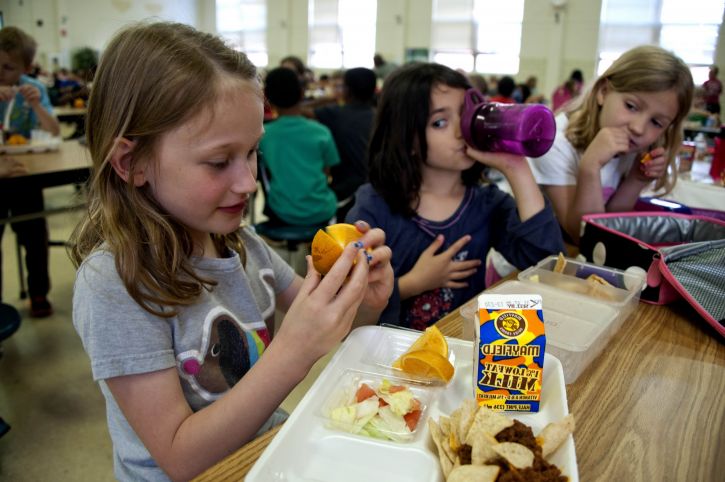
Individualized learning aligns instruction with each child's strengths, language background, and social-emotional needs; this increases engagement and accelerates domain-specific outcomes (literacy, language, executive function). Programs that integrate individualized strategies into daily routines strengthen transitions to kindergarten because they address multiple domains at once: cognitive, language, social-emotional, and health. For evidence-based whole-child readiness initiatives in Florida contexts, see the Nemours Ginsburg Institute’s Kindergarten Readiness Initiative in Florida, which emphasizes cross-domain supports for young learners (Nemours Ginsburg Institute). Cite this as you plan family engagement and screening timelines.
Which courses and credits meet Florida licensing and Registry needs?
Beyond the 45-hour core, staff may need age-specific curriculum trainings (infant/toddler, preschool, school-age) and continuing education that documents competencies for Registry credential levels. Our 45‑hour Growth and Development and 45‑hour Curriculum trainings are commonly used; see the site guide on Florida DCF 40- and 45-hour requirements for specifics on accepted course formats and approvals at the Registry: Florida DCF 40-Hour Training Requirements and DCF Training for Preschool Teachers. If you are preparing for director-level responsibilities, the pathway summaries in How Can Educators Prepare to Become a Child Care Director in Florida? explain required administrative hours and documentation.
How can programs implement individualized learning strategies now?
Practical steps for programs: 1) establish systematic observations and notes on child interests and developmental milestones; 2) use those observations to plan differentiated small-group activities; 3) align materials to varied language needs and scaffolds for dual language learners; 4) document accommodations for children with disabilities and plan measurable short-term goals; 5) schedule regular family conferences to align home and classroom strategies. For implementation details and record-keeping practices that interface with the Registry, see Florida Early Childhood Training Records: How the Registry Helps. For start-up programs needing licensing steps, consult How do I open a day care in Florida?.
How should programs support vulnerable youth and postsecondary pathways?
Programs serving youth experiencing foster care or other vulnerabilities should coordinate with local agencies and postsecondary supports. Research on postsecondary challenges for former foster youth recommends dedicated success coaching and interagency data sharing to improve outcomes; policy briefs and evaluations provide actionable recommendations for partnerships and advocacy (Helios/PR Newswire). Local provider networks and Registry resources can help programs identify referral partners and coach families through transitions to K–12 supports.
Summary: How can you prepare Florida’s youth for tomorrow?
Start by documenting required DCF hours, then prioritize individualized learning practices that target language, literacy and social-emotional development. Align staff training with Registry requirements and use evidence-based partnerships to serve vulnerable youth. For practical next steps, enroll in state-focused trainings and use the Registry to record completions; see additional background on credential pathways and bundles in our course and article library, including director pathways and credential bundles. Topics covered here include #kindergarten, #readiness, #individualizedlearning, #DCF, and #professionaldevelopment. Click here to browse all courses and register for the next session.
- 45 Hour Child Growth and Development
- CDA Family Child Care Credential
- Birth to Five CDA Credential with Portfolio Review
- CDA Family Child Care Credential with Portfolio Review
- 24 Hour Texas Pre-Service
- CDA Bridge Bundle: Family Child Care without Portfolio Review
- CDA Bridge Bundle: Infant/Toddler without Portfolio Review
- CDA Bridge Bundle: Preschool without Portfolio Review
- Texas Director Credential
- ¡El Método Científico en el Aula!
- Services at ChildCareEd
- Exploring ChildCareEd Subscription Options: Empowering Childcare Professionals
- ChildCareEd: Advancing Early Childhood Education Online
- ChildCareEd Bringing High-Quality Training to Providers Across the Globe
- CDA Certification en Español: Recursos y Consejos para Educadores Bilingües
- What fun literacy activities do Florida VPK classrooms need now?
- How can Florida early learning programs include every child with exceptionalities?
- Challenging Behaviors in Florida Preschool Classrooms: What Works Beyond Time-Out?
- How can Florida child care programs build strong work ethics?
- Daycare Jobs in North Carolina: How Old Do You Have to Be?
- Child Development Associate Certification (CDA) in Florida
- How Can Florida Child Care Providers Turn Conference Energy into Stronger Centers?
- What Are Florida's Safe Temperature Rules for Daycare Providers?
- What Does Michigan's Well-Being Data Mean for Child Care Providers?
- Can Florida’s early learning push help infant teachers build stronger family partnerships?
- MN Daycare Rules and Regulations 2026: Current Requirements and Upcoming Changes
- Child Care Facility Rules and Regulations DCF Practice Test: What Should You Study?
