When families face hard events, children need steady adults and clear plans. This article gives child care providers and directors simple, practical steps you can use right away. You will find short lists, quick scripts, and links to helpful training and resources so your team can support children with kindness and skill. Use these ideas to make your #children feel safer, buil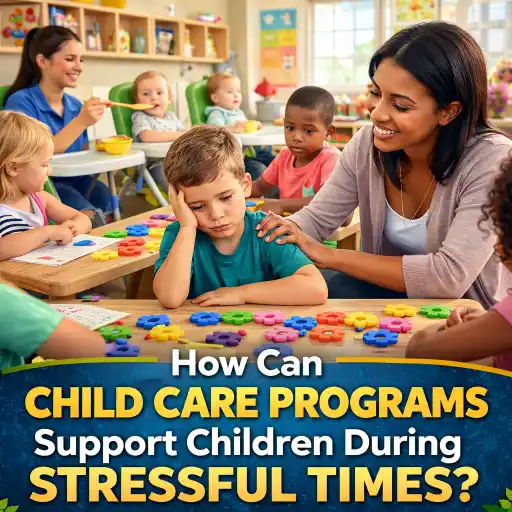 d #resilience, and keep your staff practicing #selfcare while helping others stay #calm after big events or everyday stress.
Why does supporting children during stress matter?
2. Early support builds long-term health. Research shows that small, steady supports reduce the chances of later problems from Adverse Childhood Experiences (ACEs). Learn more at the ChildCareEd course on ACEs and Resilience in Child Care  Buy Now $24.00.
3. Calm, predictable routines help every child. A trauma-informed approach says: change the environment and responses, not the child. See practical ideas in ChildCareEd’s post on Trauma-Informed Care in Childcare Settings. Putting these supports in place helps your whole classroom thrive and keeps your team stronger.
What practical steps can programs use today to help kids feel safe?
- Create predictable routines
- 🔔 Give quick warnings before transitions (e.g., “5 more minutes”).
- 🧭 Use a visual schedule so children know the day’s plan.
- 🛋️ Set a calm corner with 2–3 tools (sensory bottle, soft toy, visual breathing steps).
- Teach simple calming tools (practice when children are calm)
- 🙂 Balloon Breaths: “Smell the flower, blow the balloon” (3 times).
- 🫧 Shape Breathing: trace a square while breathing slowly.
- 🎨 Use art or play to help children name feelings.
- Use kind coaching during upset
- 📣 Short script: “I see you. You’re safe. Breathe with me.”
- ✅ Describe, don’t punish: “You look scared. I can sit with you.”
- 📋 Track patterns (time, trigger, what helped) to spot needs.
For ready-made activity ideas and calm-down tools, check ChildCareEd’s resources like Easy Relaxation Strategies for Young Children and their Trauma-Informed Care resources.
How can programs support staff and partner with families?
- Team training and practice
- 🧑🏫 Give short, regular trainings (15–30 minutes) and use practice scripts from the ChildCareEd course Trauma-Sensitive Care Buy Now $16.00.
- 📋 Use a simple checklist to track progress and keep staff consistent.
- 🧑🏫 Give short, regular trainings (15–30 minutes) and use practice scripts from the ChildCareEd course Trauma-Sensitive Care
- Staff wellness and support
- 🌿 Schedule brief calm minutes or reflection time each day. See self-care tips at Taking Care of Ourselves.
- 💬 Offer peer support and a place to debrief after hard days.
- Family partnership
- 🤝 Listen first. Share observations as facts, offer 1–2 home ideas (breathing game, bedtime routine).
- 📑 Work together on a simple plan; include when to seek extra help.
- ⚠️ Note: state requirements vary - check your state licensing agency.
Community resources and mental health consultants can help when needs go beyond the classroom. ChildCareEd and the National Center for Pyramid Model Innovations have tools for family handouts and scripted stories you can share: Emergency Resources.
What common mistakes should we avoid and when should we get extra help?
Common mistakes and simple fixes:
- ❌ Punishing stress responses. ✅ Fix: Teach and model safe choices instead of punishments.
- ❌ One-time training with no follow-up. ✅ Fix: Short refreshers and coaching help staff keep skills fresh.
- ❌ Using calm spaces as punishment. ✅ Fix: Teach calm corners as a positive choice and practice visits when children are calm.
When to get extra help (look for patterns over 2–4 weeks):
- 🚨 Frequent meltdowns that don’t improve with classroom tools.
- 🛑 Big changes in sleep, eating, or toileting that last for weeks.
- 🔁 A child withdraws from peers or stops joining activities.
If you see these signs, collect simple notes, invite the family to a caring conversation, and consult a mental health partner or local child-serving agency. The CDC and ChildCareEd give guidance on referrals and next steps: CDC: Preventing ACEs and How early childhood programs can help children heal.
Quick FAQ
- Q: Do we need a diagnosis? A: No. Provide support and monitor patterns.
- Q: How long should a breathing break be? A: 1–3 minutes, short and regular.
- Q: What if a child refuses a tool? A: Offer a choice and model the tool yourself later.
- Q: How do we measure progress? A: Fewer long meltdowns, quicker recovery, more kids asking for help.
Conclusion
1. Start with one small change: add a visual schedule, teach balloon breathing, or set up a calm corner. 2. Train staff in short, repeated sessions and support their #selfcare. 3. Partner with families and use community resources when needed. Programs can make a big difference with simple, steady steps that focus on safety, trust, and skill building. For more training and free tools, see ChildCareEd’s courses like Developing Program Tranquility Buy Now $24.00 and their trauma-informed resources.
Your calm, steady care helps children grow stronger. Keep practicing, celebrate small wins, and use the links above to learn more. Your work matters.
1. Stress changes behavior and learning. Children who feel unsafe may act out, withdraw, or have trouble paying attention. This can slow learning and make classrooms harder to run. For background and clear signs to watch for, see the CDC guide on helping children after a disaster: CDC: Helping Children Cope.Use a short plan everyone can follow. Try these 1–2–3 actions daily: Programs last when teams and families work together. Try these steps:- Easy Steps to Resume and Interview Success
- CDA Family Child Care Credential
- Birth to Five CDA Credential with Portfolio Review
- CDA Family Child Care Credential with Portfolio Review
- Pediatric RSV First Aid & CPR/AED
- 45 Hour School Age Methods and Materials
- CDA Bridge Bundle: Family Child Care without Portfolio Review
- Texas Director Credential
- Childcare Educators in NYC: Surviving the Holiday Season in the Concrete Jungle
- CDA Certification en Español: Recursos y Consejos para Educadores Bilingües
- How can positive guidance make indoor transitions calm in California early childhood classrooms?
- How can Washington, D.C. child care providers keep children safe during transitions, drop-off, and pick-up?
- Biting Behavior in Early Childhood: Causes and Solutions
- How can Michigan daycares teach healthy eating habits to toddlers?
- How can we support children during changes in routine?
- Canciones, juegos y preguntas de círculo para niños
- Preschool Classroom Schedule: A Full-Day Example from Arrival to Pick-Up
- Toddler Classroom Schedule: A Full-Day Example from Drop-Off to Pick-Up
- CCRC Child Care Provider Portal: How to Manage Attendance, Payments, and Approvals
- What Massachusetts EEC Regulations Do Child Care Providers Need to Follow?
- Health and Safety Training: 7 Everyday Habits That Protect Children in Care
- Field Trips for Elementary Students: 15 Adventures That Bring Learning to Life
- How Can Child Care Programs Build Meaningful School Readiness?
- How Can Child Care Providers Support Children’s Mental Wellness?
- How Can Child Care Programs Build Effective Emergency Preparedness?
- What Should Daycare Illness Policies Include to Protect Children, Staff, and Families?
- How Can Child Care Providers Help a Child Who Worries About Family During the School Day?
- How Can Child Care Programs Update Emergency Contacts Before Holiday Travel?
