Safety is never an accident in child care; child care professionals must always take precautions to prevent any injuries and tragedies from taking place in their program. When providers know the risks, they are better prepared to mitigate them through planning of the space and more informed practices.
Many states require all educators to take an injury prevention course and for good reason! About 20 children die each day from unintentional injuries! ChildCareEd Child Care Training Center knows the importance of practicing safety with young children and educating child care providers so that they can catch a safety risk before an accident can happen. ChildCareEd has many training courses related to safety in the classroom and how to keep our most vulnerable population safe. For example, our Injury Prevention: Their Safety Is In Your Hands  Buy Now $24.00 and 1,2,3, Eyes on Me: Classroom Safety Buy Now
 $32.00$24.00 courses provide practical strategies for supervision, environmental design, and routine safety checks that programs can implement immediately.
There are many more training courses available in health and safety and all other content areas. Whatever your training needs, ChildCareEd can help. We currently have over 200 online training courses, and more are added each week. Take a look at our website to find the training course that works best for you.
How do I identify the most common injury risks in my program?
Start with a systematic walk-through and a brief incident-history review. Walk through indoor classrooms, sleep areas, bathrooms, kitchens, storage, and outdoor play spaces at least weekly and record any hazards, near-misses, or maintenance needs. Pay particular attention to water hazards (including buckets and small pools), elevated surfaces and fall risks, unsecured furniture, electrical access, and items that present choking hazards to infants and toddlers. Use targeted readings and checklists from related guides — for example, see our articles on preventing drowning and keeping water play safe and on creating a safe environment for every age group to structure your assessment.
What practical steps reduce injury risk for different age groups?
Risk control must be age-specific. For infants and toddlers, implement rigorous sleep-safety procedures, secure cribs to current standards, remove small objects from reach, and store cleaning and medication supplies locked and out of sight. Our course Intentional Safety for Infants/Toddlers Buy Now $24.00 covers safe sleep, developmental choking risks, and feeding practices in detail. For preschoolers and school-age children, focus on equipment inspection, safe transitions, and active supervision during play and toileting. Establish a supervision plan that assigns clear visual responsibility (who watches which children and when), uses staggered transitions to reduce crowding, and sets defined sightline expectations as in our 1,2,3, Eyes on Me Buy Now $32.00$24.00 course. Environmental controls — such as padding, guardrails, surface surfacing, and locked storage — are often the highest-impact investments because they reduce both frequency and severity of incidents.
How can programs teach children about trusted adults and safety routines?
Children benefit from explicit, developmentally appropriate instruction about who to go to when they are unsafe or uncomfortable. A practical classroom activity called the "Safety Hand" helps children identify five trusted adults and memorize contact information; the Safety Hand exercise is a concrete tool you can use with preschoolers and primary children to reinforce who to call in an emergency and when to seek help (Safety Hand). Role-play, picture cards, and repeated practice of routines (line-up, approach-to-staff, and emergency drill procedures) create muscle memory that children and staff can rely on when incidents occur. Reinforce these lessons with posters, take-home parent prompts, and consistent staff language about safety so children receive the same message across settings.
How do daily health and safety checks and hygiene practices reduce risk?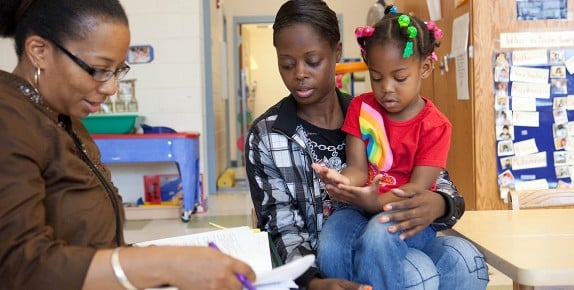
Daily checks reduce both infectious and injury risk by catching hazards and early illness before they become larger problems. Implement a written checklist for arrival and pre-play inspections that includes: visible hazards, water play setup, gate/door security, medication and cleaning supplies storage, toy sanitation, and vehicle/transport readiness. Link daily check documentation to staff assignment sheets so responsibility is explicit. Infection control — especially hand hygiene — is a high-yield practice: teach staff correct handwashing technique, when to use soap and water versus alcohol-based sanitizer, and schedule handwashing at critical times (after diapering, before meals, after outdoor play). The CDC's clinical guidance on hand hygiene provides clear, evidence-based practice points applicable to child care settings (CDC: Hand Hygiene).
How should my program handle reporting, documentation, and emergency follow-up?
Establish clear incident-reporting procedures that require timely staff documentation, parent notification, and a supervisor review. Use a consistent incident form that captures chronology, immediate response, witness statements, and follow-up actions (repairs, retraining, or policy changes). For suspected maltreatment, ensure staff is trained to recognize signs and make mandated reports; see our article on recognizing and reporting child abuse and neglect. Regularly review incident trends in staff meetings and use those data to prioritize prevention actions.
What immediate steps can I take this week to make my program safer?
- Do a focused walk-through checklist for high-risk areas (water, sleep rooms, kitchen, outdoor play).
- Assign explicit supervision roles for each transition period and post them at staff sign-in.
- Schedule a brief staff refresher on hand hygiene and daily checks using our daily health and safety checks guidance.
- Conduct one safety drill with children this week that practices a single, age-appropriate emergency routine.
- Document one near-miss and one maintenance item, and assign follow-up within 48 hours.
What are the key safety priorities and next steps for my program?
Prioritize hazards that have the greatest potential harm and the highest frequency, then apply the hierarchy of controls: eliminate hazards where possible, substitute safer options, implement engineering controls, adjust administrative procedures, and use personal protective measures. Combine training (for staff and families), environmental fixes, and simple daily checks to make sustained improvements. For more context-specific guidance, consult our articles about heat safety, water-play safety, and holiday and seasonal safety. Enroll staff in targeted courses such as Injury Prevention: Their Safety Is In Your Hands and Intentional Safety for Infants/Toddlers to build measurable competence.
What is the essential safety plan my program should follow going forward?
Focus first on supervision clarity, engineering fixes, and daily checks. Assign responsibility for repairs and follow-up, review incidents monthly, and require brief refresher training so staff retains consistent, measurable practices.
By systematically assessing risk, applying age-appropriate controls, documenting incidents, and reinforcing safety with children and families, programs reduce both the likelihood and severity of injury. #safety #injuryprevention #health #training #earlychildhood
- Intentional Safety for Infants/Toddlers
- SIDS: Saving Babies: A Change of Position, A Change in Tradition
- Nutrition Essentials for Child Care Providers
- Birth to Five CDA Credential with Portfolio Review
- Open Ears: Listening in Child Care
- Injury Prevention: Their Safety Is In Your Hands
- Health and Nutrition
- Creating Environments that Nurture Growth and Community
- Risk Reduction: Infants and Toddlers in Family Child Care
- Preventative Health and Safety
- Qué capacitación se requiere para ser director de cuidado infantil en Texas?
- How can Florida child care programs keep kids safe from snakes, insects, and harmful plants on the playground?
- How can childcare programs protect young children in North Dakota from West Nile, ticks, and extreme heat?
- How can North Dakota child care programs keep children safe from West Nile and tick-borne illness this summer?
- How can child care programs keep kids safe on the Fourth of July in North Dakota?
- How can food safety training protect children in my child care program?
- How can we keep diapering safe in child care?
- How can child care programs build reliable sun safety routines with sunscreen, hats, and shade?
- Health and Safety Training: 7 Everyday Habits That Protect Children in Care
- Want to Become a Daycare Assistant? Start With These Essential Training Skills
- From Mealtime to Manners: How Cultural Influences Show Up in Everyday Child Care
- How Can Child Care Providers Handle Challenging Behaviors Without Losing Control of the Classroom?
- What Can Hot vs. Cold Sorting Teach Preschoolers About Safety?
- How Can Child Care Providers Strengthen Food Safety Practices?
- How Can Child Care Programs Build Effective Sun Safety Practices for Children?
- How Can Child Care Programs Prevent Common Playground Injuries?
- What Water Safety Rules Should Every Early Childhood Program Teach?
- How Can Child Care Providers Teach Children to Recognize Safe and Unsafe Summer Choices?
- How Can Child Care Teachers Encourage Independence Without Sacrificing Safety?
- How Can Child Care Providers Teach Children to Report Unsafe Objects Without Touching Them?
