What are the three #health-and-safety habits that stop germs the fastest?
In child care, germs spread quickly. Children touch everything, and they are still learning hygiene skills. The good news is that a few strong habits can make a big difference.
Focus on these three daily basics:
- Handwashing (done the right way, at the right times)
- Cleaning + sanitizing/disinfecting high-touch items and mouthed toys
- Clear illness policies that families and #staff understand and follow

If you want a simple, complete refresher on #health-and safety basics for providers, this course fits well: Administering Basic Health and Safety ONLINE  Buy Now $24.00
When should children and staff wash hands in child care?
Handwashing is not just “after the bathroom.” In group care, timing matters.
Children should wash hands
- When they arrive at the classroom
- Before eating or helping with food
- After using the toilet or having a diaper change
- After #outdoor-play
- After touching body fluids (coughing, sneezing, wiping nose)
- After playing with #sensory bins, water tables, or shared materials
Staff should wash hands
- Before preparing food or feeding a child
- After diapering/toileting help
- After helping a child wipe nose or handling bodily fluids
- After cleaning, sanitizing, or disinfecting
- After removing gloves
These routines protect everyone—children, families, and staff.
What are the 5 steps for good handwashing (and how long should it take)?
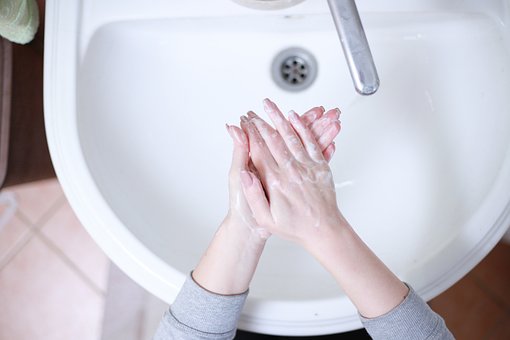
The CDC recommends five steps every time: wet, lather, scrub, rinse, dry. The scrubbing part should be at least 20 seconds.
A child-friendly way to teach it
- Wet hands
- Soap on
- Scrub while you sing a short song (like “Happy Birthday” twice)
- Rinse
- Dry
Quick tips that really help
- Show children how to scrub between fingers and under nails
- Keep a step stool at sinks (so children feel steady)
- Use picture signs near sinks (great for non-native English speakers)
Need a deeper illness-prevention focus for staff training? Try Shoo, Germs! Don't Bother Me! Buy Now $24.00
What is the difference between cleaning, sanitizing, and disinfecting?
These words sound similar, but they are not the same.
According to CDC guidance for #early-care and education settings:
- Cleaning removes dirt and some germs (usually with soap/detergent and water).
- Sanitizing reduces germs to a #safer level (often used for items that go in children’s mouths).
- Disinfecting uses stronger products to kill remaining germs after cleaning.
Easy rule to remember
- Clean first.
- Then sanitize or disinfect, depending on the item.
What should your daily sanitation checklist include?
A simple checklist keeps everyone consistent (even when the day is busy). Here are practical “must-dos” based on CDC early care and education guidance.
Daily (and more often if needed)
- Tables used for meals and activities
- Bathroom sinks and handles
- Toilet seats/flush handles (or potty chairs, per your policy)
- Door knobs and light switches
- Shared classroom phones/tablets
- High-touch toys and #play-areas
Mouthed toys need special attention
- Set up a “used toy bin” for toys that went in mouths
- Clean first, then sanitize before they go back to the shelf
During an illness outbreak
- Increase cleaning of high-touch surfaces
- Clean and disinfect toys used by sick children before sharing (or remove toys that can’t be cleaned)
For a full training refresher on reducing illness spread in group settings, this course is a strong match: Prevention and Control of Infectious Diseases Buy Now $16.00
What should an illness policy include (so families know what to expect)?
An illness policy is not meant to punish families. It protects the group and sets clear expectations. A strong policy usually includes:
- Daily health check at arrival (quick look for fever, severe cough, rash, behavior changes)
- When children must stay #home
- When children can return
- How families should report illness
- How the program communicates exposures/outbreaks
- Staff illness rules ( #staff-should not work sick)
A helpful printable tool from ChildCareEd is the Illness Exclusion Quick Reference Chart:
Illness Exclusion Quick Reference Chart Buy Now $0.00
It’s designed to support fast, consistent decisions and clear communication.
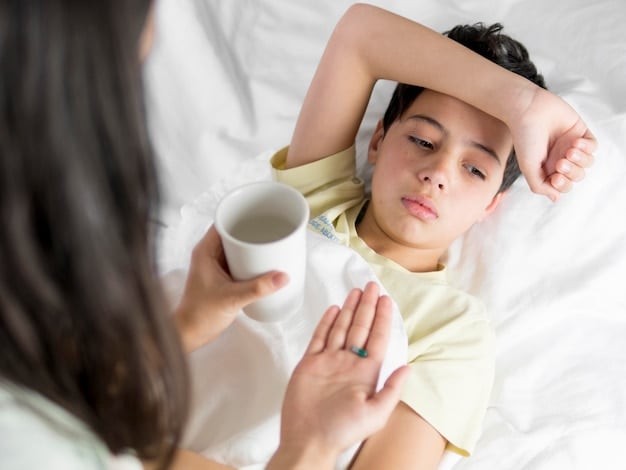
When should a child stay home, and when can they return?
Rules can vary by state and local health department, so always follow your program’s policy and licensing rules.
But in general, CDC guidance for schools and child settings highlights that children should stay home when they cannot participate or when their care needs make it hard to #safely care for the group.
Common reasons programs exclude (often included in illness charts/policies)
- Fever with signs of illness or behavior change
- Vomiting
- Diarrhea
- A rash with fever or fast-spreading rash
- Trouble breathing
- Symptoms that require one-on-one care all day
Return-to-care usually means
- Symptoms improving
- Child can join normal activities
- Fever/vomiting/diarrhea resolved for the time listed in your program policy
- Any required medical notes are provided (if your policy requires this)
Tip: Many children have mild cold symptoms and can still do fine in care. The key question is: “Can the child participate safely today?”
How do you talk to families about illness without conflict?
These conversations can be emotional. Families may worry about missing work or losing pay. A calm, #respectful script helps.
Try this 3-step message
- Start with care: “I’m sorry your child isn’t feeling well.”
- Say what you see (facts): “Today we noticed vomiting and low energy.”
- Point to the policy/tool: “Our illness policy says children need to go home and rest. Here is the chart we use.”
For a related ChildCareEd article that connects to health and safety training expectations, read:
Demystifying the Online MSDE Basic Health and Safety Course
And for quick reminders you can share with staff, follow ChildCareEd on YouTube and hit “Subscribe” for new tips:
https://www.youtube.com/@childcareed
When you keep handwashing strong, sanitize smart, and follow clear illness rules, you’re doing more than “stopping germs.” You’re building a safer, calmer program for everyone. #HealthyClassroom
- How To Keep A Healthy Class: Six Tips for Germ Control
- Administering Basic Health and Safety ONLINE
- How To Keep A Healthy Class: Six Tips for Germ Control
- Texas Director Credential
- Prevention and Control of Infectious Diseases
- Preventative Health and Safety
- Everyday Safety: Creating Healthy Environments
- Shoo, Germs! Don't Bother Me!
- 🧼Band-Aids, Germs & Giggles: Why Basic Health & Safety Training Is a Big Deal in Child Care
- Achoo! Classroom Tips to Help Stop Germs
- Que es Título 22 en California?
- Capacitación en Salud y Seguridad Preventiva en Línea para Proveedores de Cuidado Infantil
- Regulaciones de Cuidado Infantil en Maryland para Centros y Hogares de Cuidado Infantil Familiar
- Normas de Licenciamiento de Cuidado Infantil en Virginia para Centros Diurnos Infantiles y Hogares Diurnos Familiares
- How can childcare centers use simple health and safety best practices every day?
- How can child care programs keep children healthy every day?
- Alaska Daycare Center Standards: What Providers Need to Know
- How can I create a safe childcare environment for every age group?
- How can childcare settings prevent the spread of illness?
- Which Handwashing Activities Best Help Young Children Build Healthy Habits?
- How should childcare programs clean, sanitize, and disinfect spaces to keep children and staff safe?
- How can early childhood programs build a culture of safety?
- How can group child care programs effectively prevent the spread of illness?
- How can child care programs ensure safe food preparation and mealtimes?
- How Do You Create Effective Policies and Procedures for a Childcare Program?
- What Massachusetts EEC Regulations Do Child Care Providers Need to Follow?
- What Do Child Care Licensing Inspectors Look For?
