What if doing less could produce deeper learning and calmer days in your program? Slowing the pace—fewer frantic transitions, less visual clutter, more intentional pauses—gives children time to notice, practice, and internalize skills that matter. If you want a practical next step, consider ChildCareEd’s Self-Regulation & Change: Helping Children Cope  Buy Now $16.00 to strengthen staff skills in teaching calming practices and brief coaching scripts. Also explore Creating Environments that Nurture Growth and Community Buy Now $55.00 for concrete strategies to redesign your space so it supports thoughtful, slow learning. Both courses provide usable techniques that can earn training hours while improving daily classroom practice—explore them to build a program that values depth over speed.
Why does slowing down matter for learning?
When educators intentionally slow the tempo of the day, they reduce physiological arousal and free up attention for deeper processing. Young children’s brains are still developing attentional control and #selfregulation; constant rapid transitions and sensory overload fragment focus and undermine memory consolidation. Research on classroom stimulation shows heavily decorated or chaotic spaces increase off-task behavior and reduce learning gains. Slower routines—predictable transitions, short mindful pauses, and extended free-play blocks—help children move from reactive moments to reflective practice. This matters because improved attention and calm are the preconditions for literacy, numeracy, and social learning: a child who can pause and follow a two-step instruction is ready for small-group instruction and cooperative play.
How can providers redesign routines to slow the day without losing productivity?
Start by pruning—choose fewer, higher-quality learning experiences and let them breathe. Switch from many short activities to a few sustained experiences: a 20–30 minute block of free play with open-ended materials supports imagination, language, and executive function. Use predictable cues and tiny rituals (a bell, sign, or song) to signal transitions so they feel manageable rather than abrupt. Micro-practices (30–90 seconds) like balloon breaths or a two-breath grounding moment before table work scaffold #mindfulness in a way staff can deliver consistently. Keep visual schedules simple and concrete for non-readers; replace an array of posters with one clear daily plan. Practically, teams can pilot one slower block per day, document behavior and engagement, then expand. Benefits are immediate: smoother transitions, reduced tantrums, and more concentrated learning time.
What classroom design choices reduce overstimulation and support calm learning?
Physical environment strongly signals the pace of your program. A pared-down, intentionally arranged space invites children to linger, explore, and self-direct. Consider the following changes: 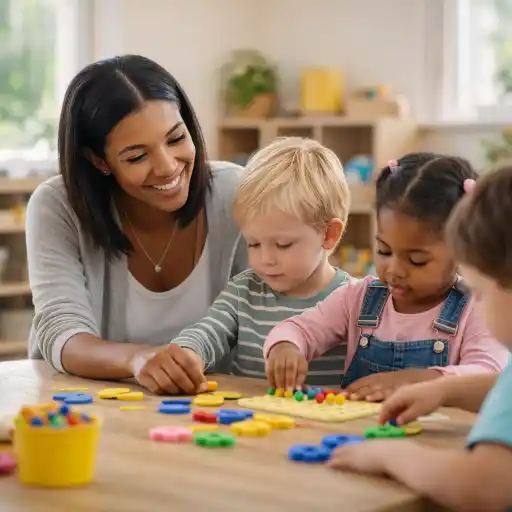
- Limit wall displays to essential, classroom‑created work that reinforces current learning goals.
- Designate a cozy calm area with soft lighting, a few tactile tools, and a visual breathing chart so children can practice self-calming.
- Use furniture to create distinct centers, reducing cross-traffic and noise.
- Rotate materials regularly rather than offering everything at once—less is more when items are meaningful.
- 🔔 Include natural elements (plants, wood, soft fabrics) and gentle acoustics to lower baseline arousal.
These adjustments help regulate sensory input and support sustained engagement. Remember: state requirements vary - check your state licensing agency for rules on furnishings, sanitation, and approved materials.
How do you teach children to slow down and build lasting self-regulation skills?
Teaching slowing-down is skill-building, not punishment. Use short, repeatable lessons embedded in routines so children rehearse regulation when calm. Try: 1) a daily 60‑second breathing ritual at circle time, 2) a "Pause and Notice" script before transitions, and 3) play-based waiting practice (timed table-turns or cooperative building). Model language: narrate your own pauses—"I’m taking a deep breath to think." Use games (Freeze Dance, Red Light/Green Light) to practice stopping and impulse control in joyful contexts. For staff training and more tools, explore ChildCareEd’s Play, Learn, Grow Buy Now $16.00 for design of play-rich blocks and Children’s Keepers: Building Childhood Resilience Buy Now $24.00 for trauma-informed strategies that pair well with slowing practices. Consistent practice, positive reinforcement, and brief reflective coaching after calm moments create durable skill growth for #children.
What common mistakes slow implementation — and how can you avoid them?
Programs often try to slow down but unintentionally sabotage efforts. Common pitfalls include:
- Expecting immediate mastery—progress is gradual; track small wins.
- Using calmer spaces as punishment—instead, teach and rehearse their use when everyone is calm.
- Maintaining excessive visual clutter while saying you’re "slowing down"—the environment must align with practice.
- Neglecting staff support—if teachers aren’t coached, new routines won’t stick. Provide short PD sessions and reflect together weekly.
- Ignoring individual differences—some children need sensory-rich options; provide alternatives and individualized supports.
Avoid these by starting small, measuring impact, and building team rituals. Why it matters: a deliberate slow-down strategy reduces staff stress, improves transitions, and creates a classroom where intentional learning outpaces frantic coverage. For staff development that reinforces this shift, consider ChildCareEd’s Mindful Supervision: Balancing Safety & Independence in Montessori Buy Now $24.00 to strengthen supervision practices that respect children’s independence while preserving calm.
Conclusion
Less can be more: by pruning activities, simplifying environments, and embedding short, repeated regulation practices, providers create the conditions for deeper learning and stronger relationships. Slowing down improves children’s #attention, supports teachers’ well-being, and builds the routines that make learning stick. Practical next steps: pilot one slower learning block each day, teach a two-breath ritual, and redesign one area to be a calm, choice-driven space. If you want structured guidance, the ChildCareEd courses linked above offer relevant training hours and classroom-ready techniques to make the shift manageable and sustainable. Start small, measure change, and celebrate the children (and staff) who thrive when the pace aligns with learning.
Further reading & resources: For quick classroom tools and printables, explore ChildCareEd’s resource library. And remember: state requirements vary - check your state licensing agency.
- 45 Hour Preschool Methods and Materials
- Bienvenido! Welcoming All Families
- Setting the Stage: Story Time
- CDA Bridge Bundle: Family Child Care without Portfolio Review
- CDA Bridge Bundle: Infant/Toddler without Portfolio Review
- CDA Bridge Bundle: Preschool without Portfolio Review
- Texas Director Credential Renewal
- Texas Director Credential
- Every Moment Matters: Schedules and Transitions
- How Can Childcare Educators Thrive in the Big Apple?
- Snack Attack! The Best Brain Foods for Growing Minds
- CDA Certification en Español: Recursos y Consejos para Educadores Bilingües
- 🤯 ¿Por qué este niño está teniendo un comportamiento difícil de repente?
- 🥺👋 ¿Por Qué la Despedida de la Mañana es Tan Emocional?
- 👶 ¿Cuáles son las proporciones y grupos requeridos en Dakota del Norte? 🏫
- Recursos en Español sobre el Sueño Seguro del Bebé
- Proporciones de Cuidado Infantil y Tamaños de Grupo por Edad en Virginia (Guía Rápida para Centros y Hogares)
- Ejemplos de Crianza Respetuosa vs. Crianza Permisiva
- Retraso del Habla en la Guardería: Cómo Pueden Ayudar los Proveedores
- Cómo Trabajar en el Cuidado Infantil en Carolina del Norte: Requisitos y Pasos
- Cómo Ser Maestra de Preescolar en Illinois
- Capacitación CDA gratuita en Illinois
- Canciones, juegos y preguntas de círculo para niños
- Cómo simplificar la capacitación para sus empleados de daycare
- Can Slowing Down Actually Boost Learning in Early Childhood Settings?
- What Gross Motor Skills Should Children Develop at Each Age?
- How Can Giving Children Real Choices Help Them Calm Down?
- ¿Todos los niños deben participar en el tiempo de círculo?
