Latest Blog & News
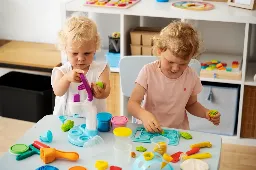
Define Cooperative Play: Examples for Preschool and Child Care
06/17/2026Cooperative play happens when children play together with a shared plan or goal. This article helps child care providers and directors understand what cooperative play looks like, why it matters, and how to use easy classroom examples. You can use these ideas tomorrow during free play or planned les... Define Cooperative Play: Examples for Preschool and Child Care
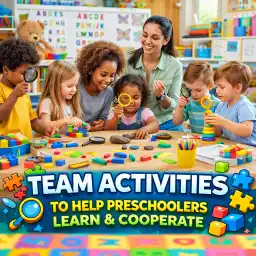
How can we use team activities to help preschoolers learn and cooperate?
06/18/2026Team activities are short, fun games and routines that help children practice working together. This article gives simple, ready-to-use ideas for directors and child care providers. You will find easy games, planning tips, inclusion strategies, and common mistakes to avoid. Try one idea tomo... How can we use team activities to help preschoolers learn and cooperate?

How Can We Create Spaces That Invite Conversation Instead of Conflict?
07/22/2026Too many classroom scuffles start before a word is spoken; intentional design can flip that script. If you want fewer fights and more problem-solving talk, practical changes to layout, materials, and staff routines make the room do the teaching for you. To get started fast, consider courses like You... How Can We Create Spaces That Invite Conversation Instead of Conflict?
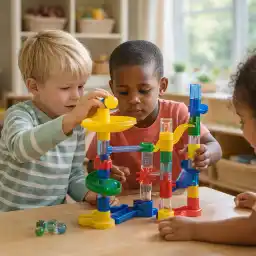
Is the Lost Art of Letting Children Figure It Out Worth Rediscovering?
07/22/2026Are we shortchanging young learners by stepping in too fast? Letting children work through small challenges builds durable #confidence, real #independence, and stronger #problemsolving skills—but it takes intention and a classroom design that supports safe risk-taking. If you want prac... Is the Lost Art of Letting Children Figure It Out Worth Rediscovering?

How Did DC’s Pay Equity Fund Help Early Educators Be Seen as Professionals?
06/29/2026The District’s Pay Equity Fund changed how many people see early childhood teachers. This short guide explains what happened, why it mattered, and what directors can do now. It is written for child care leaders and program directors. Remember: state requirements vary - check your state licen... How Did DC’s Pay Equity Fund Help Early Educators Be Seen as Professionals?

Creating Community
01/08/2021A proverb, whose origins are largely unknown but attributed by many to African cultures, explains the importance of parents, teachers, and the community working together for their children's education, for it is not solely the teacher's responsibility. When parents become more comfortable with their... Creating Community
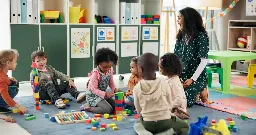
Universal Transitional Kindergarten Is Here — What Does It Mean for Private Child Care?
06/09/2026Universal Transitional Kindergarten (TK) is changing early learning. This article explains what it means for your private #childcare program, your staff, and the families you serve. You will read clear steps you can take today and ideas for working with schools and districts. This matters for #Uni... Universal Transitional Kindergarten Is Here — What Does It Mean for Private Child Care?
How can North Dakota childcare programs best support Dual Language Learners?
05/22/2026Children who grow up with more than one language are a gift to our classrooms. This article is for directors and child care providers who work in North Dakota. You will find simple, ready ideas to help Dual Language Learners (DLLs) feel safe, learn, and belong. We use easy steps you can use today ... How can North Dakota childcare programs best support Dual Language Learners?
How can child care programs best support Dual Language Learners?
05/07/2026As a child care provider or director you are likely caring for children who speak more than one language. These children are #DLLs and they bring great strengths to your program. This short guide gives easy, practical ideas you can use right away. We'll look at how to set up your space, simple dai... How can child care programs best support Dual Language Learners?

How can childcare programs make inclusion work for every child?
05/20/2026Every day you welcome children with different needs, languages, and backgrounds. This article gives clear, friendly steps you can use now to make your program more welcoming. You will find practical ideas for the room, for teaching, and for working with families and specialists. We link to helpful... How can childcare programs make inclusion work for every child?
