Bullying is commonly discussed for older children, but it also appears in preschool settings. Early childhood educators who notice and act on early patterns of exclusion or aggression can reduce long-term harm for both children who are targeted and children who use aggression. This article explains what preschool bullying looks like, offers evidence-based prevention and response steps you can use in a classroom, and points to training and resources available on ChildCareEd. Two courses to consider right away are Be Loud, No Bullying Allowed  Buy Now $16.00 and Turning Behavior Around for Toddlers and Preschoolers Buy Now $25.00, both of which focus on identifying aggressive interactions and building positive classroom routines.
What is bullying in early childhood?
Bullying in early childhood includes repeated unwanted aggressive behaviors that involve an imbalance of power, intentional harm, or patterns of exclusion and relationship damage. It can be physical (pushing, hitting), verbal (name-calling, teasing), relational (intentional exclusion, rumor-spreading), or involve property damage. Young children may also show repeated coercive play, social manipulation, or persistent refusal to share as early signs of relational bullying. The CDC provides a clear operational definition that applies across ages and helps distinguish bullying from ordinary peer conflict (CDC).
At what ages and how often does bullying occur among preschoolers?
Research shows that physical and relational bullying can begin between ages 3–5. Observational studies and brief classroom interventions have documented relational exclusion and repeated teasing among preschoolers; importantly, these behaviors respond to targeted, developmentally appropriate intervention. A classroom-based program using stories, puppets, and structured activities reduced relational bullying in research with preschool-aged children (UBNow). Early intervention can yield measurable changes in weeks.
What warning signs should teachers watch for?
Warning signs fall into three domains: changes in the child who is targeted, repeated patterns of harmful behavior by the aggressor, and altered group dynamics.
- Signs in targeted children: withdrawal, frequent crying, reluctance to come to class, unexplained injuries, or sudden changes in play patterns.
- Signs in children who bully: repeated aggressive acts toward specific peers, seeking to control group activities, or pleasure in others' distress.
- Group indicators: consistent exclusion of one child from play, whispered clusters, or a single child repeatedly left out of routines.
How can teachers prevent bullying in a preschool classroom?
Prevention is primarily environmental and relational. Practical steps include:
- Design predictable routines that reduce unstructured conflict times.
- Explicitly teach social skills—sharing, turn-taking, perspective-taking—using stories and role play.
- Build a classroom culture of inclusion by rotating roles, modelling respectful language, and praising cooperative play.
- Use peer mediation and guided problem solving for conflicts that arise, adapted to preschool cognitive levels.
Courses such as From Tantrums to Triumphs: Equipping Preschoolers with Self-Regulation Skills Buy Now $25.00 and Mysteries of Challenging Behavior Solved Buy Now $24.00$18.00 teach concrete classroom activities and routines that support prevention.
How should a teacher respond when bullying occurs?
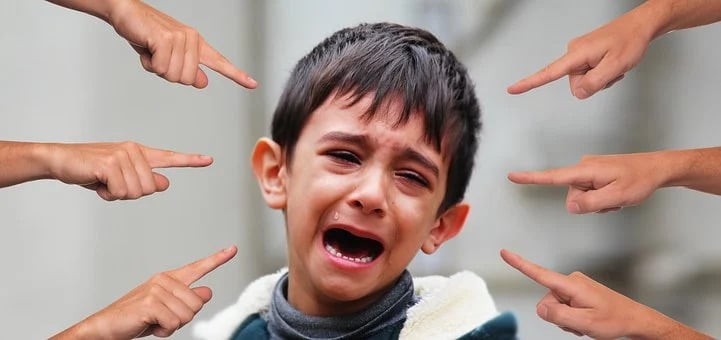
Response should be immediate, supportive, and educational rather than punitive. Key steps:
- Ensure safety and separate children briefly while you gather facts.
- State observable behavior neutrally (“I saw you push Marcus”) and set a clear boundary.
- Support the targeted child (comfort, re-join play when ready) and follow up privately with the aggressor to teach alternative behaviors.
- Use restorative language to repair relationships with age-appropriate scripts and role-play opportunities.
- Engage families with clear, factual communication and next steps.
Which interventions or programs show evidence of success in early childhood settings?
Brief, classroom-based programs that use stories, puppet play, and structured activities to teach friendship skills have empirical support for reducing relational bullying in preschool cohorts. The Early Childhood Friendship Project is one example documented to reduce relational aggression when implemented with fidelity (UBNow). Integrating social-emotional curricula with daily routines and adult coaching consistently produces better outcomes than one-off lessons.
What ChildCareEd training and resources can help me act on these steps?
Relevant ChildCareEd courses provide practical strategies and certificate options. In addition to the two courses named in the introduction, consider the following to support prevention and response:
- Ouch! Biting & Hitting Hurts Buy Now $35.00 — targeted strategies for aggressive acts common in young children.
- Creating Engaging and Meaningful Learning Experiences Buy Now $55.00 — supports inclusive, engaging environments that reduce coercive interactions.
- Family Voices Matter: Tools for Meaningful Collaboration Buy Now $55.00 — practical family-engagement strategies when incidents require partnership.
For classroom-level implementation tips, see related ChildCareEd articles such as How can school-age childcare programs prevent bullying?, How Emotions Help Children Build Social Connections, What Do Superheroes Teach Kids About Kindness and Courage?, When the Sunshine Fades: How to Spot Depression in the Happiest-Looking Kids, CDA Preschool Renewal Course, and ChildCareEd: Empowering Early Childhood Educators for related professional development and program ideas.
What quick classroom practices can teachers start using tomorrow?
1) Add a short daily friendship circle where children name one thing they like about a peer. 2) Use a feelings chart and teach labeling across the week. 3) Intervene early in exclusion episodes by offering structured invitations to play. 4) Rotate small-group roles to prevent social cliques. These small routines, repeatedly applied, shift classroom norms. #bullying #preschool #behavior #prevention #socialemotional
How should teachers document and monitor bullying incidents?
Thorough, objective documentation helps staff identify patterns, communicate with families, and meet licensing or program reporting expectations. Record the date, time, setting, an observable description of behaviors (who did what to whom), any staff witnesses, antecedent events, and immediate adult responses. Use a consistent form or behavior log so entries are comparable over time. Track frequency and context (for example, free play versus transition periods) to detect recurring targeting or power imbalances and to evaluate whether classroom strategies are reducing incidents. Share documented concerns with caregivers using factual, nonjudgmental language and propose concrete next steps such as joint observation, classroom strategies, or staff coaching. Follow your program’s reporting policy and consult the licensing agency when required. Consider training such as Ouch! Biting & Hitting Hurts to strengthen observation and documentation skills. The CDC recommends tracking patterns and context when responding to youth aggression (CDC), and classroom research shows short, structured interventions produce measurable improvements when staff monitor outcomes (UBNow).
What are the key takeaways for early childhood educators?
Bullying can emerge in preschool and is most effectively addressed by prevention, explicit teaching of social skills, consistent routines, and developmentally appropriate restorative responses. Use evidence-based short interventions, engage families early, and pursue targeted training to build staff confidence. ChildCareEd courses and articles linked above can help translate these steps into classroom practice. Sprung, Froschl, and Hinnitz in The Anti-Bullying and Teasing Book: For Preschool Classrooms (2005) emphasize that educators shape early peer interactions; acting early changes trajectories.
In summary, prioritize predictable routines, daily social-emotional teaching, consistent restorative responses, and clear documentation. Begin with a brief friendship circle, teach feeling labels, and use targeted staff training to prevent escalation and change classroom norms.
What sources support these recommendations?
- CDC — Bullying | Youth Violence Prevention — definition, types, and harms of bullying; supports definition and prevention content.
- UBNow — New intervention program reduces bullying in early childhood — supports evidence that brief classroom programs can reduce relational bullying in preschoolers.
- CDA Home Visitor Subject Area 3 Part 3 Birth to 5
- 24 Hour Texas Pre-Service
- CDA Bridge Bundle: Family Child Care without Portfolio Review
- CDA Bridge Bundle: Infant/Toddler without Portfolio Review
- CDA Bridge Bundle: Preschool without Portfolio Review
- Creating Safe & Healthy Child Care Environments
- Classroom Tools for Emergent Literacy
- Classroom Tools for Emergent Literacy
- Rooted in History: Early Childhood
- CDA Certification en Español: Recursos y Consejos para Educadores Bilingües
- 💙👥 ¿Cómo puedo construir relaciones más sólidas con las familias en mi aula?
- ⚠️🤝 ¿Cómo Puedo Distinguir Entre el Acoso y un Conflicto Normal?
- 🤔 ¿Cómo hablo con los padres cuando un niño no está avanzando en el entrenamiento para ir al baño?
- 😤💬 ¿Qué Le Digo a un Niño que Acaba de Morder a Otro?
- 👶 ¿Cuáles son las proporciones y grupos requeridos en Dakota del Norte? 🏫
- Cursos De Daycare En Español
- Cómo Abrir Una Quardería En Casa Sin Dinero?
- Recursos en Español sobre el Sueño Seguro del Bebé
- Consejos de Supervisión Activa para Salones de Preescolar y el Juego al Aire Libre
- Retraso del Habla en la Guardería: Cómo Pueden Ayudar los Proveedores
- Cómo Trabajar en el Cuidado Infantil en Carolina del Norte: Requisitos y Pasos
- Cómo Ser Maestra de Preescolar en Illinois
- Cómo Ser Maestra de Preescolar en Maryland
- Cómo Ser Maestra de Preescolar en Carolina del Norte
- Capacitación CDA gratuita en Illinois
- Horas de capacitación para daycare en Carolina del Norte: ¿cuántas necesita?
- How can school-age childcare programs prevent bullying?
- How Can Child Care Providers Prevent and Respond to Bullying?
- When Does Exclusion in an After-School Group Become a Pattern?
