As programs and families plan seasonal celebrations, a systematic toy-safety check reduces the risk of acute injuries. It also supports consistent supervision practices across classrooms and homes. Before you accept, distribute, or store seasonal gifts, inspect items for choking, entrapment, battery hazards, and mechanical defects. For guidance on integrating these checks into program practice, see our courses Using Toys to Support Learning  Buy Now $16.00 and Intentional Safety for Infants/Toddlers Buy Now $24.00, which show how materials selection and environmental checks support developmental objectives and reduce preventable incidents.
How should programs inspect and remove hazardous toys?
Adopt a three-step inspection protocol that staff completes on a regular schedule and whenever new items enter the classroom: 1) Visual and mechanical screening; 2) Functional safety tests; 3) Documentation and disposition. During screening, look for cracked plastic, exposed fasteners, small detachable parts, or frayed fabric. Functional tests include pulling on seams and twisting battery compartments to confirm they are secured. Use a choke-tube test (or a simulated 1 3/4-inch diameter gauge) to check whether small pieces could be ingested by infants or toddlers. Remove questionable items immediately and place them in a labeled quarantine box until a supervisor verifies disposition (repair, return, or safe disposal).
Embed inspections in daily routines. A morning safety walk, a post-visit quarantine for brought-from-home items, and a weekly inventory check reduce cumulative risk. Use simple logs to document who inspected items and what action was taken; these logs also support licensing reviews and communication with families. For classroom-focused material-selection practices, link inspection outcomes to pedagogical intent using our article How do I choose age-appropriate toys and materials?.
How do I choose age-appropriate toys and materials?
Selection should balance developmental affordances and safety. For infants and mobile toddlers, prioritize: firm, washable materials; no removable decorations; battery compartments secured with screws; and items large enough to preclude oral insertion. For preschoolers, favor toys that scaffold fine motor and symbolic play but reject items with high-powered magnets, button batteries, or components less than 1 3/4 inches in diameter. Where mixed ages co-exist, maintain clearly separated storage zones and visual cues (color-coded bins, labeled shelves) to prevent inappropriate access.
Train staff to evaluate toys against learning objectives: does the object offer a sensory affordance appropriate to the child's developmental stage? If not, relocate it to a more suitable age cohort. See our article How can we create safe environments for infants and toddlers? for recommended storage and rotation systems that preserve both learning value and safety.
What holiday activities are developmentally appropriate and safe for 3-year-olds?
Three-year-olds benefit from activities that support symbolic play, fine motor practice, language growth, and social routines while minimizing exposure to small parts and other hazards. Safe, developmentally appropriate holiday ideas include: 1) large-block gift-wrapping stations using pre-cut sheets of kraft paper and wide tape (no small bows or metal twist ties); 2) sensory-rich but safe tactile trays—use dry materials such as rice or large pom-poms instead of water beads, and keep trays shallow with close supervision; 3) craft centers with oversized, blunt-ended crayons, pre-cut paper shapes (no small sequins or loose beads), and glue sticks rather than liquid glue to reduce ingestion risk; and 4) dramatic-play gift-exchange games using fabric gift bags and soft, washable props to practice social language and turn-taking.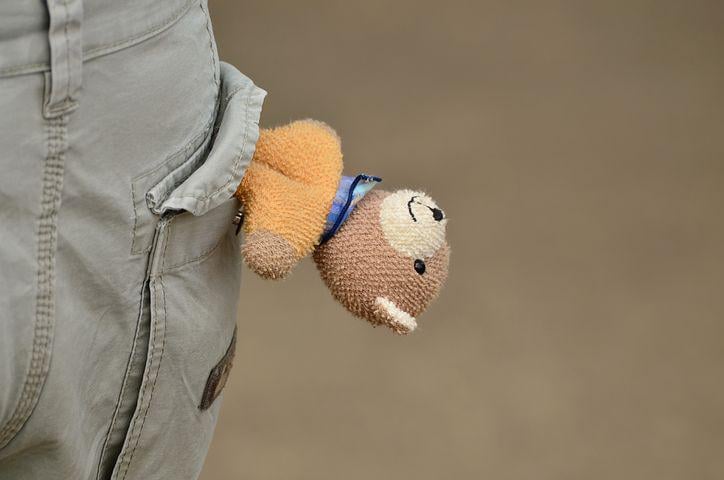
Supervision and material preparation are essential: pre-assemble craft kits so staff can remove or substitute any component under the small-parts threshold, keep button batteries and small magnets locked out of classroom areas, and use visual cues (color-coded bins) to indicate age-appropriate play items. Limit the number of simultaneous craft participants and position staff to maintain active supervision during tabletop activities. For mixed-age programs, provide a separate toddler table and rotate older-child materials out of reach.
For guidance on infant-specific adaptations and safe placement of materials when infants are present in the classroom, see How Do We Keep Infants Safe in the Classroom?. These adaptations keep holiday programming engaging while meeting safety and developmental goals for three-year-olds.
What specific hazards should we watch for and how do we act?
Certain hazards require immediate removal and broader program action: button batteries, small high-powered magnets, water-absorbing beads, and recalled products. Button batteries can cause rapid, severe internal burns when ingested. Swallowed high-powered magnets can attract inside the body and cause bowel perforation, especially if a child swallows more than one. Water beads expand in contact with fluid and can obstruct the airway or gastrointestinal tract. Follow two actions when you identify items with these hazards: 1) Remove and quarantine the item; 2) Notify families and management about the hazard and recommend disposal or return. Check official recall listings and report unsafe toys to the Consumer Product Safety Commission when appropriate.
For authoritative guidance on these hazards and recall procedures, consult public health advisories and safety notices such as: Avoid Potentially Hazardous Toys This Holiday Season (summarizes CPSC data and specific risks) and government recommendations for holiday gift and toy safety: Holiday decoration, apparel and gift safety. Programs operating in Alabama should consult the Alabama Department of Public Health advisory listed in References. They should also confirm toy-safety and licensing requirements with the Alabama Department of Human Resources — Child Care Services or with their local child care licensing specialist, since state licensing rules determine allowable materials and inspection procedures. Integrate alerts from these sources into staff briefings and parent communications.
What policies and trainings should programs adopt to reduce toy-related injuries?
Adopt written policies that define acceptable gifts, inspection frequency, quarantine procedures, and staff responsibilities. Include: an overt policy disallowing unsecured button batteries in infant areas; rules about personally brought toys; and a recall-response workflow. Require that new hires complete a foundational health-and-safety orientation; consider our Basic Health & Safety and Breastfeeding Awareness Buy Now $35.00 course (which covers SIDS/safe sleep, medication, and environmental safety) and schedule periodic in-service refreshers on active supervision and material hazards.
Pair policy with practical tools: checklist templates for inspections, labeled quarantine boxes, laminated quick-reference sheets for common hazards, and parent-facing handouts explaining why certain gifts are restricted. For choking-prevention protocols and mealtime safety, see How can childcare programs prevent choking and keep mealtimes safe?.
Summary: How do these practices keep children safer?
Systematic inspection, developmentally informed material selection, targeted hazard-response actions, and clear program policies together reduce the incidence of toy-related injuries and improve readiness when incidents occur. Document actions, train staff to a high standard of professional judgment, and maintain transparent communication with families. For seasonal and holiday-specific guidance, consider our article How can child care programs prevent seasonal safety hazards and practical activity-appropriate ideas in What are safe, engaging non-candy Halloween ideas for daycares?
References
- Avoid Potentially Hazardous Toys This Holiday Season — Alabama Public Health (summarizes CPSC findings and hazards)
- Holiday decoration, apparel and gift safety — Health Canada (advice on button batteries, small parts, and recalls)
Original content adapted from safety guidance; program materials and courses referenced are available on ChildCareEd.
Resources and tags: #safety #toys #infants #choking #supervision
- Pediatric RSV First Aid & CPR/AED
- Health and Nutrition
- Emergent Learning & Development
- 45-Hour Infant and Toddler Curriculum
- Creating Environments that Nurture Growth and Community
- Texas Director Credential
- 24 Hour Family Child Care Pre-Service Training ONLINE
- Preventative Health and Safety
- Family Child Care: Building, Premises, and Outdoor Safety
- Gift of Gratitude: Fostering Emotional Intelligence in Children through Acts of Kindness
- How Neurodivergent Kids Shine During the Holidays
- Curso Para Trabajar En Daycare:Qué Necesitas Para Empezar
- Que Se Necesita Para Trabajar En Un Daycare?
- ¿Cómo hacer actividades navideñas inclusivas para todas las familias?
- Menos Estrés a la Hora de Comer: Rutinas Simples Que Sí Funcionan
- Capacitación en Salud y Seguridad Preventiva en Línea para Proveedores de Cuidado Infantil
- Reglas de Cuidado Infantil en Carolina del Norte para Centros y Hogares de Cuidado Infantil Familiar
- Requisitos de Cuidado Infantil en Nueva Jersey para Centros y Proveedores de Cuidado Infantil Familiar
- Lista para Guardería en Casa en Texas: Cómo Iniciar una Guardería en el Hogar
- Consejos de Supervisión Activa para Salones de Preescolar y el Juego al Aire Libre
- Las Mejores Ideas de Excursiones para Guarderías en Texas
- Cinco de Mayo Crafts and Activities for Preschool and Daycare
- How can we celebrate diversity and inclusion in California early childhood classrooms?
- La mejor manera de hacer seguimiento a la capacitación de su equipo de daycare How to Organize Staff Training for Your Child Care Center Cómo organizar la capacitación del personal para su centro de cuidado infantil
- How can Minnesota child care providers keep young children safe around Fourth of July fireworks?
- How can child care programs keep kids safe on the Fourth of July in North Dakota?
- How can my New York program help sensory-sensitive children cope with fireworks noise?
- How can Michigan child care programs plan staff schedules and coverage around summer holidays?
- How can child care programs prevent seasonal safety hazards like heat, cold, allergies, holiday risks, and outdoor play dangers?
